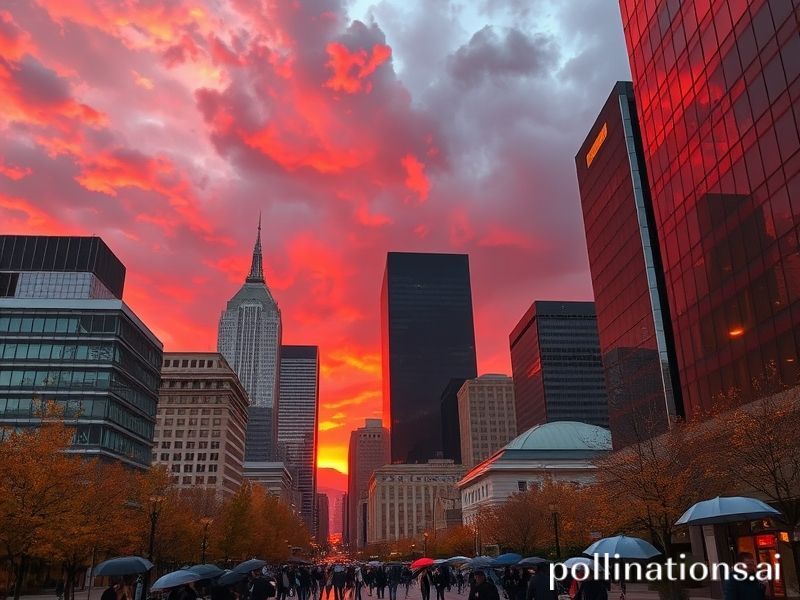
DENVER, Colorado—The Mile-High City’s weather forecast this week reads like a ransom note Mother Nature scribbled on the back of a bar napkin: 70°F on Monday, 7 inches of snow by Wednesday, and a 30% chance of existential dread by the weekend. To the average Coloradan this is merely Tuesday; to the rest of the planet it’s either a flamboyant cry for help or the trailer for next year’s climate-themed disaster film. Either way, the show is sold out and the popcorn is already salted with your retirement fund.
Internationally, Denver’s meteorological mood swings serve as a convenient allegory for the global order: volatile, over-caffeinated, and allergic to long-term planning. While diplomats in Dubai debate carbon offsets on Zoom from their air-conditioned pavilions, Denver’s temperature graph roller-coasters like a crypto chart—proof that the atmosphere too has embraced the gig economy. One day the city is a beer-commercial paradise, the next it’s auditioning for a Siberian remake of “Frozen.” The lesson? If you want consistency, invest in Swiss banks, not in the troposphere.
Europeans, still thawing from last summer’s record heat that turned the Thames into a tepid latte, watch Colorado’s snow alerts with the smug relief of a neighbor peering over the fence at your barbecue on fire. “At least we only have drought,” they murmur, sipping €9 bottles of water imported from Norway. Meanwhile, Australians—who once traded weather horror stories like baseball cards—now send Denver emojis of sympathy and kangaroos wearing scarves. Solidarity is adorable until the bill arrives in gigatons.
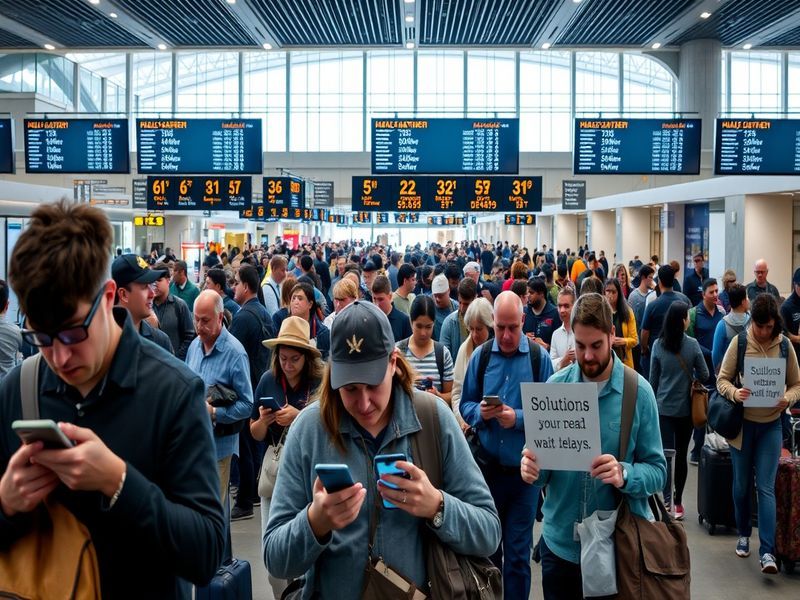
The wider significance, of course, lies in supply chains. When Denver International Airport flips from shorts weather to de-icing mode in the span of a corporate earnings call, FedEx reroutes packages through Memphis, Tokyo sushi chefs wonder why their tuna is late, and German auto executives discover that “just-in-time” manufacturing rhymes with “just-missed-it.” One rogue snow band and the planet’s circulatory system develops a clot. Somewhere in Davos, a logistics guru adds another bullet to his PowerPoint: “Buy snow shovels, hedge against enlightenment.”
And then there’s water. Every Denver snowflake is an immigrant, born in the Pacific, naturalized over the Sierra, and finally sworn in as runoff destined for the Colorado River—aka the drinking straw for 40 million people downstream. When Denver’s forecast toggles between drought and deluge, Mexico’s lettuce growers and Vegas’s fountain choreographers check their horoscopes. The river, poor thing, hasn’t seen a decent therapist since the Hoover Administration. Instead, it gets lawyers.
Of course, the human comedy continues. Local TV stations deploy “Storm Teams” with graphics packages that look like Marvel sequels. Reporters stand in flurries warning viewers that snow is wet and cold—news that somehow still qualifies as news. Citizens raid grocery stores for kale and craft beer, because if the apocalypse comes, it better be gluten-free. Meanwhile, the city’s fleet of Teslas discovers that lithium-ion batteries share the emotional range of a toddler in a snowsuit: full charge to tantrum in fifteen minutes flat.
What should the world take away from Denver’s schizophrenic skies? First, that climate change is not a polite linear slide into warmer days; it’s a bar fight where physics throws the first punch. Second, that every city’s micro-drama is now macro-relevant. Your local hailstorm is someone else’s delayed vaccine shipment, someone else’s avocado shortage, someone else’s reason to rethink borders, tariffs, and the wisdom of building ski resorts at 10,000 feet.
In the end, Denver’s forecast is the planet’s fortune cookie: “Expect everything. Plan for nothing. Tip your meteorologist.” Somewhere, a polar vortex and a heat dome are sharing a drink, laughing at our expense. They know we’ll tune in tomorrow, hoping the sky changes its mind before we have to change ours. Until then, keep the sunscreen next to the snow boots; irony, like the weather, travels without a passport.