Cruise Control: Why the High Seas Are Making Waves in Internet Culture
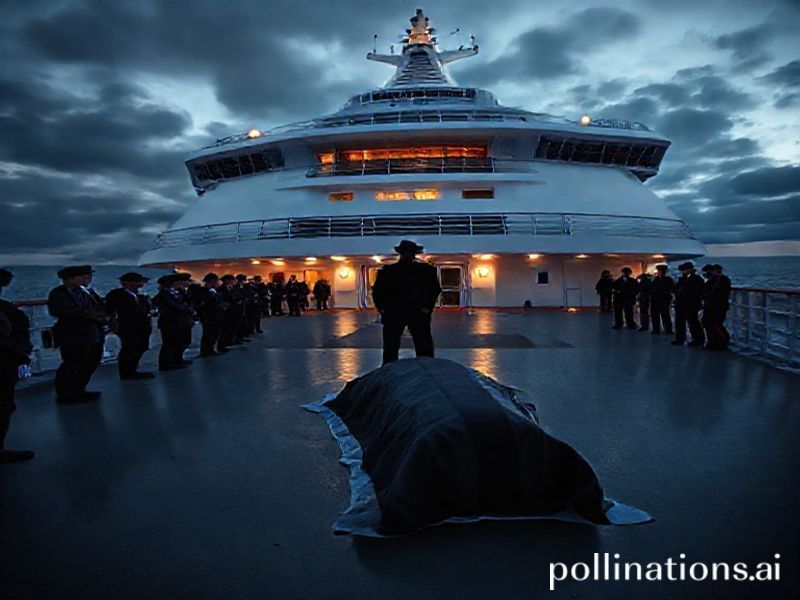
Ahoy, internet denizens! If you’ve been dipping your toes into the vast ocean of online trends lately, you might have noticed a rather morbid topic floating to the surface: cruise ship deaths. Yes, you read that right. It’s not just about buffets and Broadway-style revues anymore; cruise ships are making headlines for all the wrong reasons. But why is this topic suddenly trending globally, and what does it say about our collective fascination with the macabre? Let’s dive in.
The Perfect Storm of Factors
First off, let’s address the elephant (or should we say, the whale?) in the room. Cruise ship deaths aren’t exactly a new phenomenon. However, a confluence of factors has catapulted this topic into the viral stratosphere. For starters, the COVID-19 pandemic has left many of us with a heightened sense of mortality and a morbid curiosity about the ways we can shuffle off this mortal coil. Add to that the fact that cruise ships are essentially floating petri dishes, and you’ve got a recipe for internet intrigue.
But it’s not just about the numbers. It’s about the stories. The tales of mystery, misfortune, and downright bizarre circumstances surrounding these deaths have captured the imagination of armchair detectives and internet sleuths alike. From passengers going overboard to unexplained illnesses, each case is a puzzle waiting to be solved, a mystery begging to be unraveled.
Cultural Context: Death and the Digital Age
In the digital age, death has become a spectacle. It’s no longer confined to the quiet corners of our lives; it’s out there, in the open, for all to see and discuss. Social media has turned grief into a performative act, and death into a viral sensation. Cruise ship deaths, with their inherent drama and intrigue, fit perfectly into this mold.
Moreover, there’s a certain schadenfreude at play here. Cruise ships are often seen as symbols of excess and indulgence, places where the rich and privileged go to escape the mundane. When something goes wrong on a cruise ship, it’s like watching a house of cards collapse in slow motion. It’s a reminder that no one, not even the wealthy and well-heeled, is immune to the vagaries of fate.
Social Impact: The Ripple Effect
The trend of cruise ship deaths has had a ripple effect on society, influencing everything from travel decisions to pop culture. For instance, the rise of “dark tourism” – travel to sites associated with death and tragedy – has been well-documented. Cruise ship deaths, with their air of mystery and intrigue, are the perfect fodder for this niche market.
Additionally, the trend has sparked conversations about safety and regulation in the cruise industry. With more people paying attention to these incidents, there’s increased pressure on cruise lines to improve their safety measures and transparency. It’s a classic case of the internet holding institutions accountable, one viral post at a time.
Why Should You Care?
You might be wondering, “Why should I care about a bunch of rich people dying on boats?” Well, for one, it’s a reminder that death is a part of life, and it can happen to anyone, anywhere, at any time. It’s a stark contrast to the carefully curated, filtered lives we often present on social media.
Moreover, the trend of cruise ship deaths is a reflection of our collective psyche. It’s a window into our fascination with the macabre, our love of a good mystery, and our desire to make sense of the senseless. It’s a reminder that, in the digital age, even death can be a spectacle, a trend, a viral sensation.
So, the next time you see a headline about a cruise ship death, don’t just scroll past. Take a moment to ponder the bigger picture. Because in the end, it’s not just about the death. It’s about the story, the mystery, the intrigue. It’s about the human condition, laid bare for all to see.
And who knows? Maybe you’ll even find yourself booking a cruise, just to see what all the fuss is about. Just remember to hold onto your hat – the seas can be rough, and not just literally.