School’s Out (Forever?): The Global Trend of School Closings Today
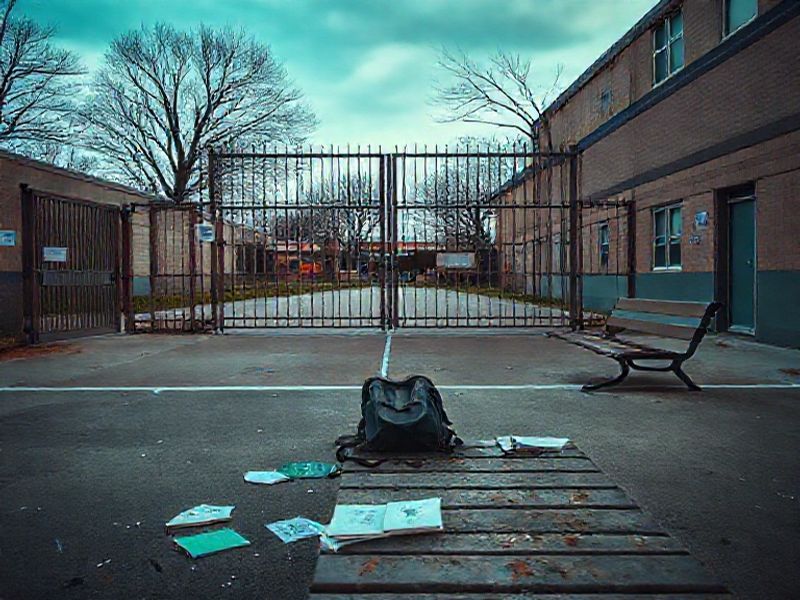
Ah, the sweet sound of a school bell ringing—except these days, it’s not signaling the end of class but the end of an era. School closings are trending globally, and it’s not just because summer vacation rolled around early. From the U.S. to Europe and beyond, schools are shutting their doors, and it’s got everyone from parents to meme lords buzzing. But why? Let’s dive into this educational exodus and unpack why it’s the hottest topic of the day.
The Great Closure: Why Schools Are Shutting Down
First, let’s address the elephant in the room—or rather, the empty classroom. School closings aren’t a new phenomenon, but the pace and scale have ramped up in recent years. There are a few key reasons behind this trend:
1. Declining Enrollment: In many countries, birth rates have been dropping like a stone, and fewer kids mean fewer students. Schools that can’t fill their classrooms are forced to close, especially in rural areas. It’s a classic case of supply and demand, except the demand is disappearing faster than a TikTok trend.
2. Financial Struggles: Schools are expensive to run, and when enrollment drops, so do budgets. Many districts are facing budget cuts, leading to layoffs, program reductions, and, ultimately, school closures. It’s a vicious cycle that leaves communities scrambling.
3. Consolidation and Centralization: Governments and school boards are increasingly consolidating smaller schools into larger, more centralized institutions. The idea is to streamline resources and improve efficiency, but it often comes at the cost of local schools that have been community hubs for generations.
4. The Pandemic Aftermath: COVID-19 didn’t just disrupt education; it accelerated existing trends. Many parents who initially pulled their kids out of traditional schools for remote learning have kept them there, opting for homeschooling or alternative education models. The pandemic also highlighted the vulnerabilities of underfunded schools, leading to more closures.
Cultural Context: The Social Impact of School Closures
School closures aren’t just about buildings and budgets—they’re about culture, community, and identity. For many towns and neighborhoods, the local school is more than just a place to learn; it’s a gathering spot, a source of pride, and a symbol of stability. When schools close, it’s not just the education system that suffers; it’s the social fabric of entire communities.
Take, for example, the small towns in America’s heartland where the local school is the heart of the community. When that school closes, it’s not just the kids who lose out—it’s the teachers, the coaches, the parents, and the businesses that rely on school events and activities. The ripple effect is real, and it’s one of the reasons why school closures are such a hot-button issue.
The Digital Divide: How Technology is Changing the Game
Of course, we can’t talk about school closures without acknowledging the role of technology. The rise of online learning, homeschooling, and alternative education models has given families more options than ever before. While this is great for flexibility, it also means that traditional schools are facing stiff competition.
The pandemic forced many schools to adapt quickly, and while some have thrived in the digital age, others have struggled to keep up. The result? A growing divide between schools that can offer high-quality online education and those that can’t. This digital divide is exacerbating existing inequalities and raising questions about the future of education.
What’s Next? The Future of School Closures
So, what’s the future of school closures? Will we see more schools shutting their doors, or will there be a resurgence of interest in traditional education? It’s hard to say, but one thing is clear: the trend isn’t going away anytime soon.
For now, communities are grappling with the fallout of school closures, while policymakers and educators scramble to find solutions. Whether it’s through better funding, innovative teaching models, or a renewed focus on community engagement, the challenge is to ensure that education remains accessible and equitable for all.
Conclusion: The Lesson We’re Learning
School closures are a complex issue with no easy answers. They reflect broader trends in demographics, economics, and technology, and their impact is felt far beyond the classroom. As we navigate this evolving landscape, one thing is clear: the future of education is uncertain, but it’s also full of potential. Whether we’re talking about traditional schools, online learning, or something entirely new, the goal remains the same—to provide every child with the opportunity to learn, grow, and thrive.
So, as we watch the trend of school closures unfold, let’s remember that education is more than just a building or a curriculum. It’s a foundation for the future, and it’s up to all of us to ensure that it remains strong, vibrant, and accessible for generations to come.