Why the World is Obsessed with Remembrance: A Global Nostalgia Party
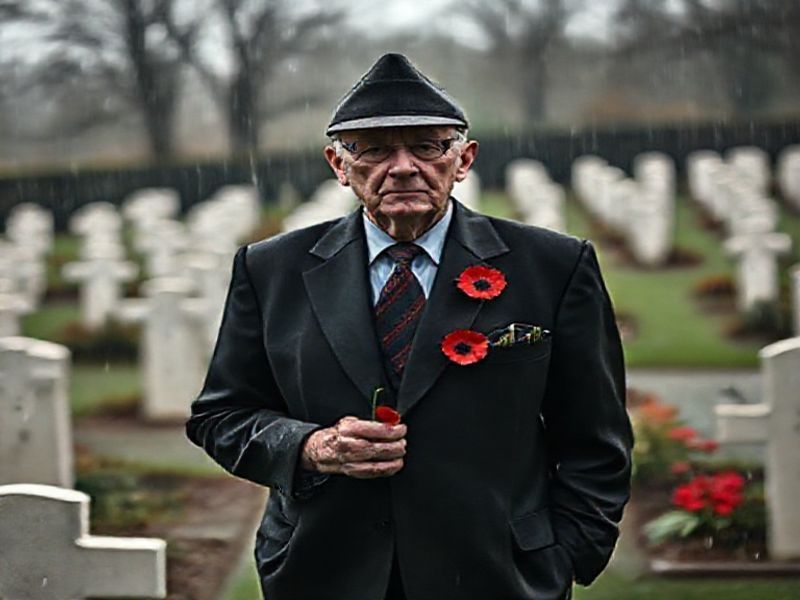
Alright, internet denizens, let’s talk about the elephant in the room—or rather, the elephant in the collective global consciousness. Remembrance is trending, and not just because we’re all binge-watching “Stranger Things” and reminiscing about the ’80s. From social media challenges to global events, the world is on a nostalgia trip, and it’s not just about reliving the good old days. It’s about connection, identity, and maybe a little bit of escapism.
The Cultural Context: A Global Phenomenon
First off, let’s acknowledge that remembrance isn’t just a Western thing. It’s a global phenomenon that transcends borders and cultures. In Japan, there’s a growing trend of “reki-ji,” or historical tourism, where people visit sites of historical significance to connect with their past. In Europe, the trend of “heritage tourism” is booming, with people flocking to castles, battlefields, and ancient ruins to immerse themselves in history.
But it’s not just about physical places. Social media platforms are buzzing with remembrance trends. From the #10YearChallenge to the #ThrowbackThursday, we’re constantly looking back at our past selves, our past lives, and even our past hairstyles (RIP, side ponytail).
The Social Impact: Connection and Identity
So, why are we all so obsessed with remembrance? Well, for starters, it’s a way to connect with others. Sharing memories, whether they’re personal or cultural, creates a sense of community. It’s like a global campfire where we’re all swapping stories.
Moreover, remembrance helps us define our identities. In a world that’s changing at breakneck speed, looking back at where we came from can help us understand who we are. It’s like having a personal GPS for the soul.
But let’s not forget the escapism factor. Sometimes, remembering the past is a way to escape the present. If you’re not a fan of the current political climate or the state of the world, it’s easy to retreat into the comfort of a simpler time.
The Significance: Why It Matters
Now, you might be thinking, “So what? It’s just a trend. It’ll pass.” But here’s the thing: remembrance matters. It shapes our present and our future. It influences our decisions, our actions, and our interactions.
Take, for example, the recent trend of remembering and honoring historical figures who fought for social justice. This remembrance has sparked movements, fueled activism, and brought about real change. It’s not just about looking back; it’s about learning and growing.
The Dark Side: When Remembrance Goes Too Far
But let’s not put on our rose-tinted glasses just yet. Remembrance can have a dark side. It can lead to nostalgia for things that weren’t actually that great. It can also fuel divisiveness, as different groups remember the past in different ways.
Moreover, there’s the risk of getting stuck in the past. If we’re too busy remembering, we might forget to live in the present and plan for the future. It’s like being a time traveler who’s too busy admiring the past to notice the dystopian future creeping up.
Conclusion: The Balancing Act
So, where does that leave us? Well, it leaves us with a balancing act. We need to remember, but we also need to live in the present and plan for the future. We need to learn from the past, but we also need to let go of the things that no longer serve us.
In the words of the great philosopher, Ferris Bueller, “Life moves pretty fast. If you don’t stop and look around once in a while, you could miss it.” So, let’s remember, but let’s also live. Let’s look back, but let’s also look forward.
After all, the past is a foreign country. They do things differently there. But it’s also a part of us, and understanding it can help us navigate the present and the future.