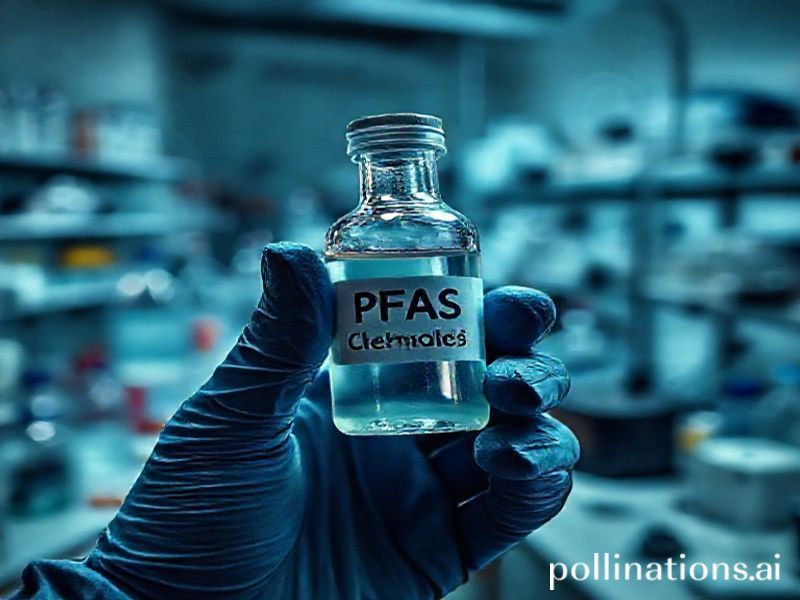
PFAS: The Forever Chemicals That Are Literally Everywhere (And Why You Should Care)
# **PFAS: The Forever Chemicals That Are Literally Everywhere (And Why You Should Care)**
Remember when you thought your non-stick pan was the pinnacle of kitchen innovation? Well, it turns out that little convenience might be costing us more than we bargained for. Enter **PFAS chemicals**, the “forever chemicals” that are currently trending globally for all the wrong reasons. These slippery little devils are in everything from rain jackets to pizza boxes, and they’re not going away anytime soon. So, why is everyone talking about them, and why should you care? Let’s dive in.
## **What Are PFAS Chemicals?**
PFAS, or per- and polyfluoroalkyl substances, are a group of man-made chemicals that have been used since the 1940s to make products resistant to water, grease, and stains. They’re in non-stick cookware, water-repellent clothing, fast-food wrappers, and even firefighting foams. The problem? They don’t break down easily—in fact, they’re called “forever chemicals” because they stick around for, well, forever.
## **Why Are They Trending Now?**
PFAS have been lurking in the background for decades, but they’ve recently exploded into the global conversation for a few key reasons:
1. **Health Scares**: Studies have linked PFAS to serious health issues like cancer, thyroid disease, and immune system suppression. When high-profile cases (like the contamination of drinking water in Michigan and other U.S. states) hit the news, people started paying attention.
2. **Regulatory Crackdowns**: Governments worldwide are finally waking up to the threat. The EU has proposed strict limits on PFAS, and the U.S. EPA is under pressure to do the same. Even fast-food giants like McDonald’s and Burger King have pledged to phase out PFAS in their packaging.
3. **Social Media Amplification**: Thanks to platforms like Twitter and TikTok, information (and misinformation) spreads faster than ever. Hashtags like #PFAS and #ForeverChemicals have helped raise awareness, turning this into a full-blown internet sensation.
## **Cultural Context: The Dark Side of Convenience**
We live in a world obsessed with convenience. We want our pans to be non-stick, our clothes to be stain-resistant, and our fast food to be, well, fast. But at what cost? PFAS are a stark reminder that sometimes, the things that make our lives easier come with hidden dangers.
Think of them as the ultimate “too good to be true” story. They made our lives easier, but now we’re stuck with them—literally. And just like that one ex who won’t leave your DMs, PFAS aren’t going anywhere without a fight.
## **Social Impact: Who’s Affected?**
The impact of PFAS is far-reaching. Low-income communities and military bases (where firefighting foams containing PFAS were heavily used) are often hit the hardest. Environmental justice advocates argue that this is yet another example of systemic inequality, where marginalized groups bear the brunt of industrial pollution.
But it’s not just about who’s affected—it’s about how. PFAS contamination has sparked grassroots movements, lawsuits, and even documentaries. It’s a story of corporate negligence, regulatory failure, and the power of collective action.
## **Why Should You Care?**
If you’re still thinking, “This doesn’t affect me,” think again. PFAS are in the water, the soil, and even the air. They’re in your bloodstream, too—studies show that nearly every person on the planet has some level of PFAS in their body. That’s right, you’re probably carrying a little bit of “forever” around with you right now.
But here’s the good news: awareness is growing, and so is the push for change. From grassroots activism to corporate accountability, people are fighting back. And that’s something worth talking about.
## **Conclusion: The Forever Fight**
PFAS are a reminder that sometimes, the things we take for granted come with hidden costs. But they’re also a testament to the power of collective action. As the global conversation around these chemicals grows, so does the hope for a future where convenience doesn’t come at the expense of our health.
So, the next time you reach for that non-stick pan or order a burger, think about the forever chemicals lurking in the shadows. And maybe, just maybe, consider making a change.
—