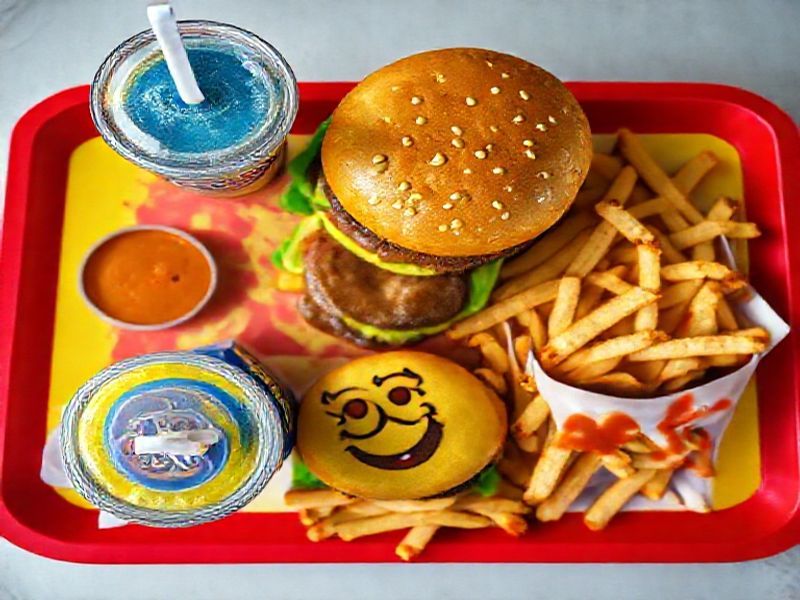
Burger King’s SpongeBob Meal: A Krusty Krab Collab That’s Making Waves
In a world where fast-food collaborations are as frequent as SpongeBob’s jellyfishing mishaps, Burger King’s latest tie-in with Nickelodeon’s beloved underwater duo, SpongeBob SquarePants and Patrick Star, has somehow managed to stand out. The “SpongeBob & Patrick Meal” is trending globally, and for good reason—it’s a masterclass in nostalgia, marketing, and meme-worthy absurdity.
Why Is This Meal So Popular?
1. Nostalgia Overload
SpongeBob SquarePants has been a cultural staple since its debut in 1999. For millennials and Gen Z, SpongeBob is more than just a cartoon—it’s a nostalgic comfort blanket. Burger King tapped into this nostalgia by offering a meal that feels like a trip back to Bikini Bottom. The meal includes a Whopper (the “Krabby Patty” of the fast-food world), crispy chicken nuggets (because even SpongeBob loves his nuggets), and a drink, all packaged in a SpongeBob-themed box. It’s like getting a high-five from your childhood.
2. Meme-Worthy Marketing
Burger King didn’t just slap SpongeBob’s face on a burger and call it a day. They leaned into the absurdity of internet culture by creating meme-worthy content. From tweets featuring SpongeBob and Patrick in Burger King uniforms to a fake “Patrick Star’s Guide to Fast Food” video, the campaign is dripping with humor. The internet ate it up (pun intended), turning the meal into a viral sensation.
3. Limited Edition Hype
There’s something about limited-edition items that makes people lose their minds. Whether it’s rare sneakers, exclusive merch, or a fast-food collab, scarcity drives demand. Burger King’s SpongeBob meal is only available for a limited time, which has created a sense of urgency. Fans are rushing to grab their meals before they’re gone, fueling the trend even further.
Cultural Context: Fast Food Meets Pop Culture
Fast-food chains have long used pop culture collaborations to boost sales and engagement. From McDonald’s Happy Meal tie-ins with Disney to KFC’s collaborations with anime, these partnerships are a win-win. For the brands, it’s a way to tap into existing fanbases and create buzz. For fans, it’s a chance to own a piece of their favorite franchise in a tangible, snackable form.
Burger King’s SpongeBob meal fits perfectly into this trend. It’s not just about selling burgers—it’s about creating an experience. The meal is a conversation starter, a meme generator, and a nostalgic throwback all rolled into one. It’s a reminder that sometimes, the best marketing isn’t about selling a product but about selling an emotion.
Social Impact: More Than Just a Meal
The SpongeBob meal isn’t just about fast food—it’s about community and shared experiences. Social media has played a huge role in amplifying the hype. Fans are sharing unboxing videos, memes, and reviews, turning the meal into a global phenomenon. It’s a testament to the power of internet culture and how quickly trends can spread.
Moreover, the collaboration has sparked discussions about the intersection of fast food and pop culture. It’s a reminder that brands are increasingly blurring the lines between entertainment and commerce, creating immersive experiences that go beyond traditional advertising.
Why This Topic Is Significant
The SpongeBob meal is more than just a fleeting trend—it’s a microcosm of modern internet culture. It represents the power of nostalgia, the influence of memes, and the impact of limited-edition hype. It’s a case study in how brands can leverage pop culture to create meaningful connections with their audiences.
For Burger King, this collaboration is a win. It’s generated massive buzz, driven sales, and reinforced the brand’s reputation as a player in the fast-food game. For fans, it’s a chance to relive childhood memories and share in a collective cultural moment.
In the end, the SpongeBob meal is a reminder that sometimes, the best marketing isn’t about selling a product—it’s about selling an experience. And in the world of fast food and pop culture, that’s a recipe for success.