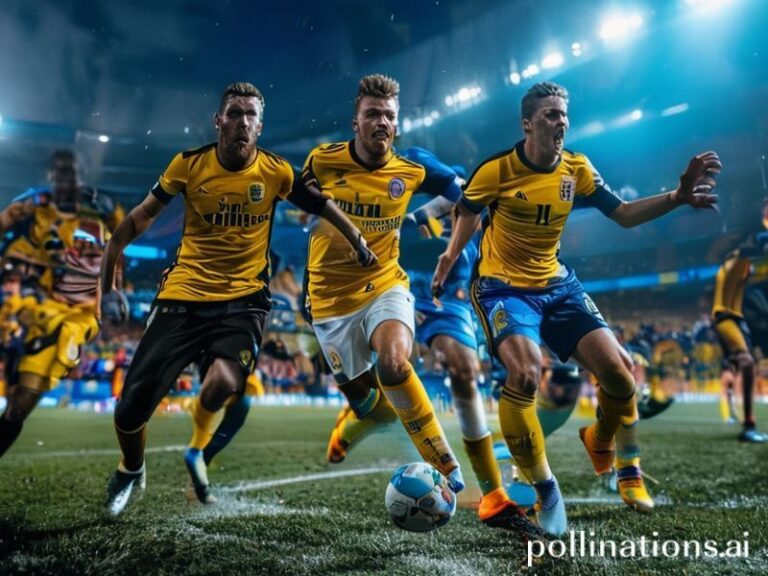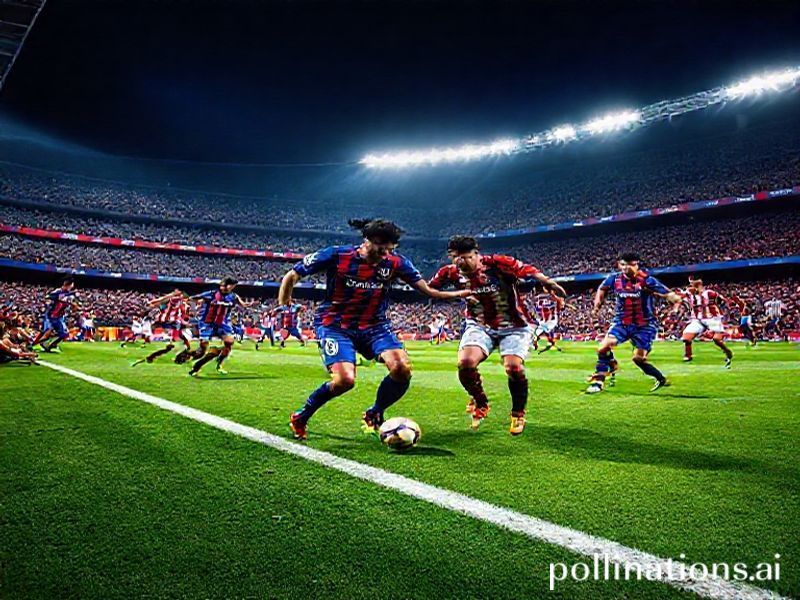
Clash of the Titans: Why Barcelona vs. Atlético Madrid Has the Internet Buzzing
# **Clash of the Titans: Why Barcelona vs. Atlético Madrid Has the Internet Buzzing**
In the world of football (or soccer, for our American friends), few rivalries ignite the internet like Barcelona vs. Atlético Madrid. This isn’t just a match; it’s a cultural phenomenon, a battle of philosophies, and a spectacle that transcends the pitch. So, why is this clash trending globally? Let’s break it down.
### **A Clash of Styles: Tiki-Taka vs. Defensive Mastery**
Barcelona, with their mesmerizing tiki-taka style, is like the smooth jazz of football—elegant, rhythmic, and oh-so-satisfying to watch. Their philosophy, honed under the likes of Johan Cruyff and Pep Guardiola, is all about possession, quick passes, and relentless pressure. It’s football as art.
Atlético Madrid, on the other hand, is the gritty punk rock of the sport. Under Diego Simeone, they’ve perfected the art of defensive resilience, counterattacks, and turning every match into a war of attrition. They don’t just play to win; they play to break your soul.
This contrast in styles makes their matches a must-watch. It’s like watching a ballet dancer take on a boxer—you never know who’s going to come out on top, but you know it’s going to be entertaining.
### **Cultural Context: More Than Just a Game**
Barcelona and Atlético Madrid aren’t just clubs; they’re symbols of identity and pride. Barcelona, with its deep Catalan roots, represents a region with its own language, culture, and political aspirations. The club’s motto, “Més que un club” (More than a club), reflects this broader significance.
Atlético Madrid, meanwhile, is the underdog with a heart of gold. Historically overshadowed by Real Madrid, Atlético has carved out its own legacy, embodying the fighting spirit of the working class. Their fans, known as “Colchoneros,” are some of the most passionate in the world.
When these two teams meet, it’s not just about points on the table; it’s about pride, history, and a clash of identities. And in today’s hyper-connected world, that drama translates into global buzz.
### **Social Impact: The Power of the Internet**
Thanks to social media, football fandom has gone global. Fans from every corner of the world can engage in real-time discussions, memes, and debates. Barcelona vs. Atlético Madrid matches are a goldmine for content creators, from highlight reels to post-match analyses and even memes about Simeone’s intense touchline antics.
The internet has also amplified the cultural significance of the match. Hashtags like #BarcaAtleti trend worldwide, and fans from different continents come together to celebrate or commiserate. It’s a testament to how football brings people together, even in the most divisive times.
### **Why This Topic is Significant**
Beyond the entertainment value, this rivalry highlights the broader significance of football in global culture. It’s a microcosm of the world’s diversity—different styles, different histories, and different ways of expressing passion. It’s a reminder that sport, at its best, is a universal language.
Moreover, the Barcelona vs. Atlético Madrid rivalry is a case study in resilience and adaptability. Both teams have faced their own challenges—Barcelona’s financial woes and Atlético’s perpetual struggle to break the duopoly of Real Madrid and Barça. Yet, they continue to evolve, adapt, and compete at the highest level.
### **Conclusion**
Barcelona vs. Atlético Madrid is more than just a football match; it’s a cultural event, a clash of philosophies, and a global spectacle. It’s a reminder of why we love football—the drama, the passion, and the sheer unpredictability. So, whether you’re a fan of tiki-taka or defensive grit, one thing is clear: this rivalry is here to stay, and the internet will keep buzzing about it.
—