The Bernard Manning Effect: Why the Internet Can’t Stop Laughing (or Cringing)
### The Bernard Manning Effect: Why the Internet Can’t Stop Laughing (or Cringing)
In the vast, unpredictable landscape of internet culture, few names have sparked as much debate, nostalgia, and outright confusion as Bernard Manning. The British comedian, known for his controversial humor and unapologetic style, has recently resurfaced in global conversations, leaving many scratching their heads and others nodding in reluctant appreciation. But why is Bernard Manning trending now, and what does his resurgence say about our collective sense of humor and cultural sensibilities?
#### The Cultural Context: A Comedian Ahead of His Time (or Behind It?)
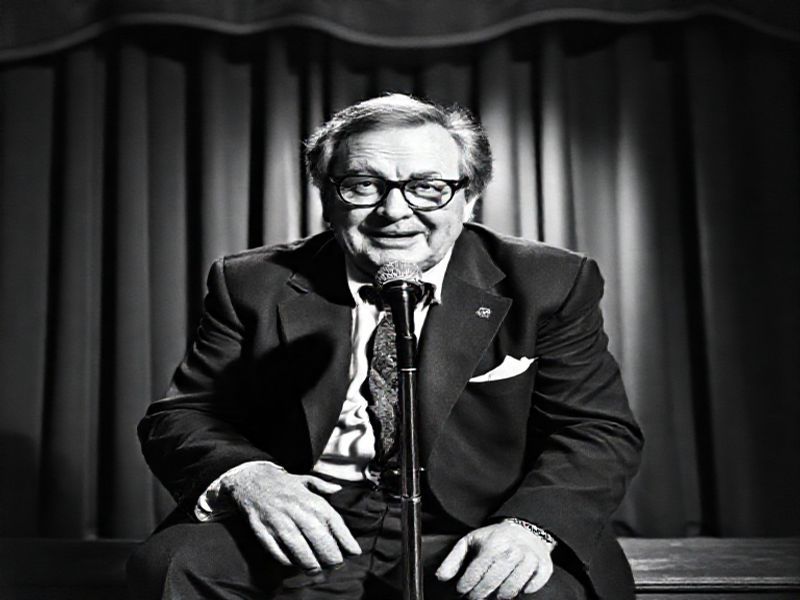
Bernard Manning was a polarizing figure during his heyday in the 1970s and 1980s. Known for his working-class humor, Manning’s jokes often pushed boundaries, tackling topics like race, gender, and politics with a bluntness that was either celebrated as bold or condemned as offensive, depending on who you asked. His comedy club, the Bernard Manning Comedy Club in Manchester, was a hub for like-minded comedians and audiences who enjoyed his unfiltered approach.
Manning’s style was a product of its time, reflecting the cultural norms and attitudes of the era. However, as societal values evolved, so did the perception of his humor. What was once seen as edgy and provocative is now often viewed through a lens of political correctness, sparking debates about the limits of comedy and the role of humor in addressing sensitive topics.
#### The Social Impact: A Double-Edged Sword
The resurgence of Bernard Manning’s popularity can be attributed to several factors, chief among them the internet’s insatiable appetite for nostalgia and controversy. Social media platforms like Twitter, TikTok, and Reddit have become breeding grounds for viral moments, and Manning’s jokes—both hilarious and cringe-worthy—have found a new audience eager to dissect and debate their merits.
One of the key reasons Manning is trending globally is the ongoing discussion about the boundaries of comedy. In an era where cancel culture and political correctness are hot-button issues, Manning’s legacy serves as a case study in the evolution of humor. Some argue that his jokes were necessary to challenge societal norms, while others contend that they were simply outdated and harmful.
Moreover, Manning’s resurgence highlights the internet’s love for irony and nostalgia. Younger generations, who may not have experienced Manning’s comedy firsthand, are discovering his work through memes, clips, and discussions. This has led to a fascinating cultural exchange where older audiences reminisce about the “good old days” of comedy, while younger audiences grapple with the implications of his humor in a modern context.
#### What Makes This Topic Significant?
The Bernard Manning trend is significant for several reasons. Firstly, it underscores the power of the internet to resurrect and recontextualize cultural figures. In an age where information travels at lightning speed, even decades-old comedy can spark global conversations.
Secondly, Manning’s resurgence sheds light on the evolving nature of humor and its role in society. As comedians continue to push boundaries, the debate about what is acceptable and what is offensive remains as relevant as ever. Manning’s legacy serves as a reminder that humor is a reflection of its time, and what is funny today may not be funny tomorrow.
Lastly, the trend highlights the internet’s unique ability to foster cultural dialogue. Through memes, discussions, and debates, people from all walks of life are engaging with Manning’s work, sharing their perspectives, and contributing to a broader understanding of comedy’s place in society.
#### Conclusion: Laughing Through the Ages
Bernard Manning’s sudden popularity is a testament to the internet’s ability to breathe new life into cultural icons, for better or worse. Whether you find his humor hilarious or cringe-worthy, there’s no denying that his resurgence has sparked important conversations about the nature of comedy and its role in society. As we continue to navigate the complexities of humor in the digital age, one thing is clear: the Bernard Manning effect is here to stay, and it’s making us all think—if not laugh—a little harder.