Total War: When the Whole World’s a Battlefield, and the Meme Game’s Strong
**Total War: When the Whole World’s a Battlefield, and the Meme Game’s Strong**
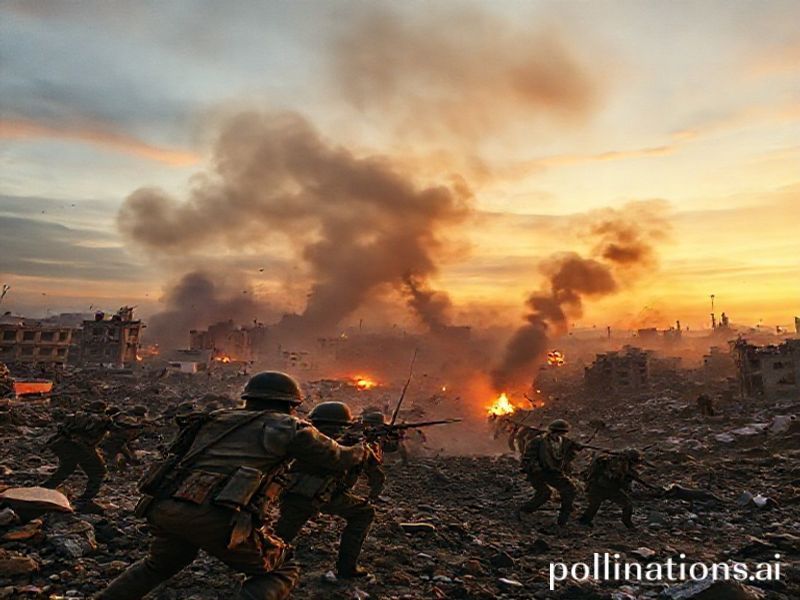
Alright, folks, buckle up! We’re diving headfirst into the trend that’s got everyone from TikTok teens to Twitter intellectuals talking: **Total War**. No, we’re not discussing the latest strategy game from Creative Assembly (although, if you’re into that, you’re in good company). We’re talking about the real-world phenomenon where conflicts seem to be escalating faster than a viral dance challenge, and everyone’s trying to figure out what’s next.
**Why’s Everyone Talking About Total War?**
First off, let’s address the elephant in the room—why is “Total War” trending globally? Well, it’s not just one thing. It’s a perfect storm of geopolitical tensions, social media hysteria, and a collective anxiety that’s been brewing for years. Here’s the breakdown:
1. **Geopolitical Hot Potatoes**: From Ukraine to Taiwan, North Korea to the Middle East, it feels like the world’s powder keg is getting a daily dose of kindling. With tensions rising and alliances shifting faster than a TikTok trend, people are starting to wonder if we’re on the brink of something… well, total.
2. **Social Media Echo Chambers**: Thanks to algorithms that love a good drama, our feeds are flooded with doomscrolling content. Whether it’s breaking news alerts or hot takes from your cousin’s friend’s brother, it’s hard to escape the feeling that the world’s on the verge of chaos.
3. **Cultural Anxiety**: Let’s face it, the past few years haven’t exactly been a walk in the park. Pandemics, economic woes, and a general sense of uncertainty have left us all a bit on edge. It’s no surprise that “Total War” has become a catch-all phrase for our collective fears.
**Cultural Context: From History Books to Headlines**
The concept of “Total War” isn’t new. It’s been a staple in history books since at least World War I, when nations mobilized their entire populations and economies for the fight. But today, the term has taken on a new life, thanks to the 24/7 news cycle and the internet’s love of a good apocalypse scenario.
In internet culture, “Total War” has become a meme in itself. From dark humor about nuclear war to satirical takes on doomsday prepping, people are using memes as a coping mechanism. It’s a way to laugh in the face of fear, and honestly, we’re here for it.
**Social Impact: The Good, the Bad, and the Ugly**
Now, let’s talk about the social impact. On one hand, the trend has sparked some serious conversations about global stability, diplomacy, and the importance of international cooperation. It’s got people engaged, informed, and (dare we say) politically active.
On the other hand, it’s also fueled a lot of misinformation, panic, and outright paranoia. With everyone from armchair generals to well-meaning influencers weighing in, it’s hard to separate fact from fiction. And let’s not forget the mental health toll—constant exposure to crisis-level content can take a serious toll on our collective psyche.
**Why Should You Care?**
So, why should you care about this trend? Well, for starters, it’s a reflection of our times. It’s a mirror held up to society, showing us our fears, our hopes, and our collective psyche. Plus, understanding the trend can help you navigate the noise, stay informed, and maybe even contribute to a more constructive conversation.
At the end of the day, “Total War” is more than just a trend—it’s a cultural moment. And like all cultural moments, it’s up to us to shape its meaning and impact.
So, let’s keep the conversation going, stay informed, and maybe, just maybe, find a way to turn the tide on the doom and gloom. After all, the world’s a pretty amazing place, and it’s worth fighting for—just maybe not in the total war kind of way.