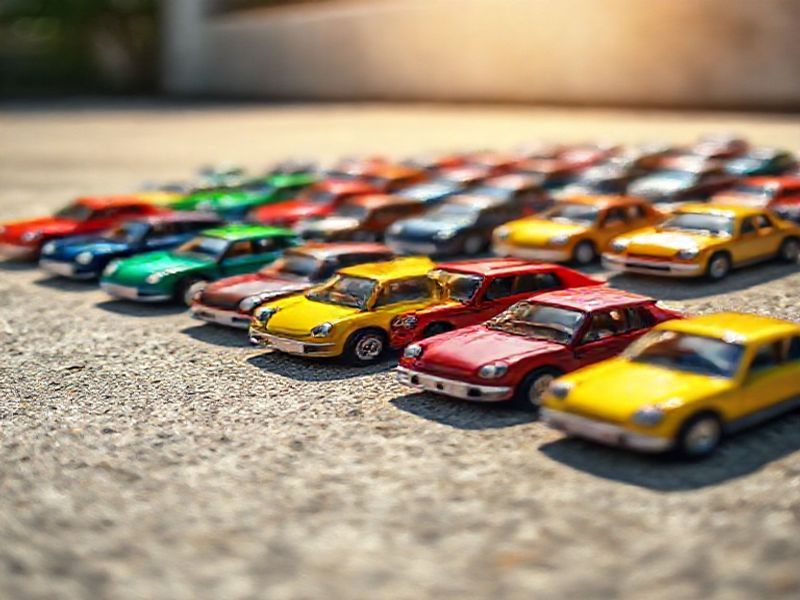
Tiny Cars: The Big Trend That’s Taking Over the World
# Tiny Cars: The Big Trend That’s Taking Over the World
In a world where everything seems to be getting bigger—from our data plans to our avocado toast—there’s a tiny rebellion brewing on the roads. Tiny cars, those adorable, compact vehicles that look like they were designed by someone who’s been binge-watching *Toy Story*, are suddenly everywhere. But why are these mini marvels stealing the spotlight from their hulking SUV counterparts? Let’s dive into the cultural phenomenon that’s got the world shrinking down to size.
## The Rise of the Tiny Car
Tiny cars, also known as microcars or kei cars, have been around for decades, but they’ve recently exploded in popularity. From the Smart Fortwo to the Fiat 500, these pint-sized vehicles are popping up on streets worldwide. But what’s driving this trend? For starters, urbanization is in full swing. Cities are getting denser, parking spaces are shrinking, and traffic jams are becoming a way of life. In this urban jungle, a tiny car is like a stealthy ninja—sneaking into tight spots and zipping through traffic with ease.
## Cultural Context: The Tiny Car Aesthetic
Let’s face it, tiny cars are cute. They’re like the puppies of the automotive world—adorable, compact, and impossible to resist. This aesthetic appeal is a significant factor in their rising popularity. In a world where social media reigns supreme, tiny cars are Instagram gold. Their quirky designs and compact size make them perfect for capturing those coveted likes and shares. Plus, they’re a walking (or should we say, driving) advertisement for minimalism—a lifestyle choice that’s increasingly appealing in our cluttered, fast-paced world.
## Social Impact: More Than Just Cute Wheels
But tiny cars aren’t just about looks. They’re also about sustainability. With growing concerns about climate change and environmental impact, tiny cars offer a greener alternative to their gas-guzzling counterparts. Their small size means they consume less fuel and produce fewer emissions, making them a more eco-friendly choice. Plus, their compact size encourages city planners to rethink urban design, potentially leading to more pedestrian-friendly spaces and less congestion.
## The Significance of the Tiny Car Trend
So, why should we care about this tiny trend? Well, for one, it’s a reflection of our changing world. As cities grow and resources become scarcer, we’re seeing a shift towards smaller, more efficient solutions. Tiny cars are a symbol of this shift—a tangible representation of our collective move towards sustainability and urban efficiency.
Moreover, the tiny car trend is a testament to the power of design. In a world where form often follows function, tiny cars prove that functionality and aesthetics can go hand in hand. They’re a reminder that even the smallest things can make a big impact.
## Conclusion: The Future of Tiny Cars
As we look to the future, it’s clear that tiny cars are here to stay. With advancements in technology and a growing emphasis on sustainability, we can expect to see even more innovative designs hitting the market. From electric microcars to autonomous tiny vehicles, the possibilities are endless.
So, whether you’re a city dweller looking for a parking-friendly ride or an eco-conscious consumer seeking a greener alternative, tiny cars offer a compelling solution. And who knows? Maybe one day, we’ll all be zipping around in our own tiny, adorable vehicles, living happily ever after in a world that’s just a little bit smaller.