Revving Up the Controversy: Why the DVLA 2026 Plate Bans Are Steering the Global Conversation
# **Revving Up the Controversy: Why the DVLA 2026 Plate Bans Are Steering the Global Conversation**
In a world where memes, trends, and viral sensations come and go faster than a Formula 1 pit stop, the DVLA 2026 plate bans have somehow managed to capture the global spotlight. Yes, you read that right—license plates. Those little metal rectangles that usually only spark excitement when they’re personalized to spell out something cheeky like “NUM 1” or “W00T.” But now, the UK’s Driver and Vehicle Licensing Agency (DVLA) has decided to put the brakes on certain combinations, and the internet is having a field day.
### **The Plot Thickens: What’s the Big Deal?**
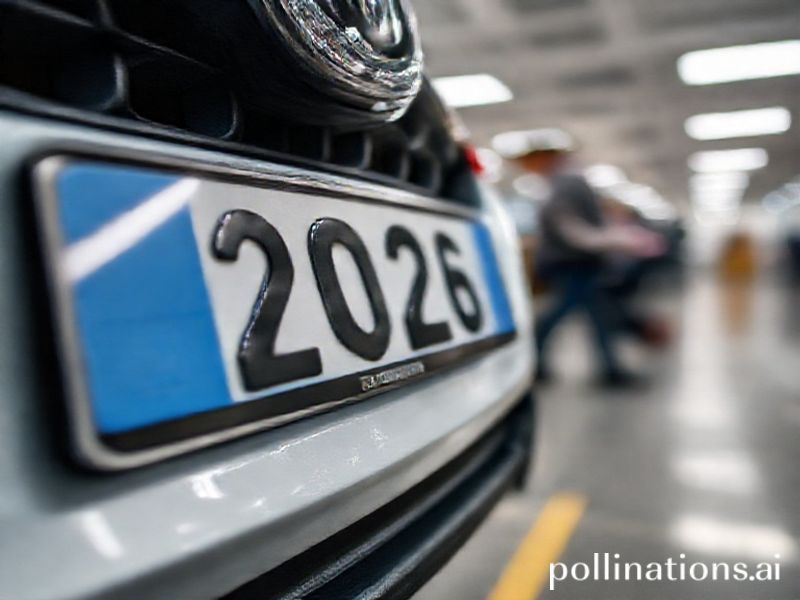
The DVLA recently announced that it will ban certain combinations of letters and numbers on new license plates starting in 2026. The reason? To prevent offensive, inappropriate, or just plain silly combinations from hitting the roads. Think “F4IL,” “H4X0R,” or “B00BS.” The DVLA wants to keep the roads free from digital-age innuendos and crude humor, and honestly, who can blame them? Nobody wants to be stuck behind a car with a plate that reads “D1LDO” or “B1G D1CK.”
But here’s the twist: the internet has taken this news and run with it like a toddler who just discovered the “funny” button on their parent’s phone. Memes, tweets, and TikTok videos are flooding the digital highway, mocking the ban, celebrating it, and even suggesting their own “banned” plate combinations. It’s a masterclass in turning a bureaucratic decision into a global joke.
### **Cultural Context: Why Now?**
This isn’t the first time license plates have sparked controversy. In the past, personalized plates have been used to express everything from political statements to inside jokes. But in the age of social media, where everything is amplified and nothing is sacred, the DVLA’s decision has become a lightning rod for commentary on censorship, humor, and the absurdity of modern life.
The ban also taps into a broader cultural trend: the internet’s love affair with absurdity. From “Distracted Boyfriend” to “Drakeposting,” we thrive on the ridiculous. The DVLA’s attempt to police humor is just the latest in a long line of “serious” institutions clashing with the internet’s chaotic energy. And let’s be real—nothing gets the internet more riled up than someone trying to tell them what they can and can’t laugh at.
### **Social Impact: More Than Just Plates**
Beyond the memes and jokes, the DVLA’s decision raises some interesting questions about freedom of expression, censorship, and the role of humor in public spaces. Should the government have the right to dictate what’s “appropriate” on a license plate? Or is this just another example of bureaucratic overreach?
On one hand, you’ve got the argument that public spaces should be free from offensive or inappropriate content. Nobody wants to see a van with a plate that reads “K1LL3R” parked outside a school, right? On the other hand, some argue that the ban is an unnecessary restriction on creativity and self-expression. After all, if you can’t laugh at a license plate, what’s next? Banning knock-knock jokes?
### **Why This Topic Matters**
At its core, the DVLA 2026 plate bans are a microcosm of the broader cultural wars playing out online. They highlight the tension between authority and individuality, between humor and offense, and between the old world and the new. And in a time when everything feels so serious, it’s a reminder that sometimes, the best way to cope is to laugh.
So, whether you’re Team “Let People Have Their Stupid Plates” or Team “Keep the Roads Classy,” one thing is clear: the DVLA has accidentally created one of the most entertaining trends of the year. And for that, we salute them.
—