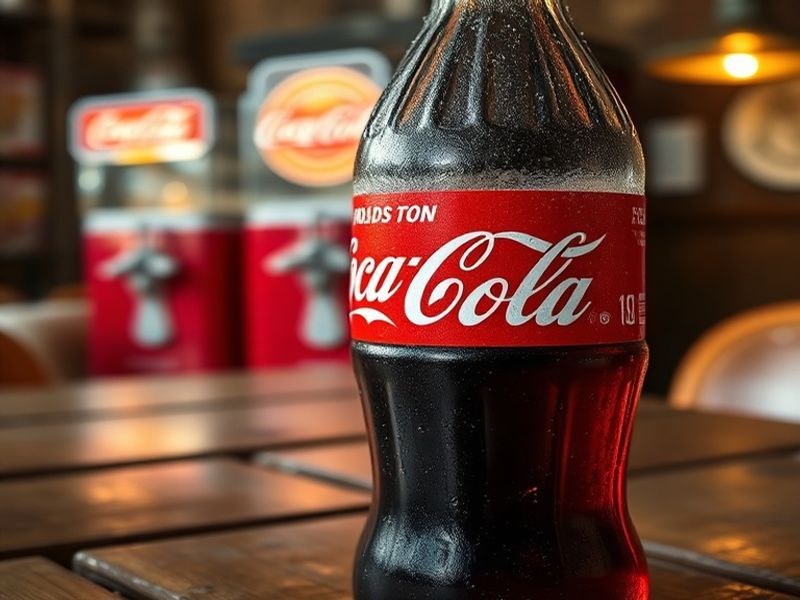
Coca-Cola: Why the World Can’t Stop Talking About This Fizzing Phenomenon
# **Coca-Cola: The Fizz That’s Still Bubbling Up the Internet**
In a world where trends come and go faster than a TikTok dance challenge, Coca-Cola has managed to remain a constant, bubbling up in conversations, memes, and even political debates. But why is this classic carbonated beverage still trending globally? Let’s dive into the fizzy phenomenon that is Coca-Cola.
## **The Cultural Context: A Sip of Nostalgia**
Coca-Cola isn’t just a drink; it’s a cultural icon. Introduced in 1886, it has been a staple in American households for over a century. The brand’s marketing genius—from the iconic red and white logo to the jingles that still echo in our minds—has cemented its place in pop culture. Who hasn’t seen the classic “I’d Like to Buy the World a Coke” ad or the polar bears frolicking in the snow? These moments aren’t just ads; they’re cultural touchstones that have shaped generations.
But Coca-Cola’s influence isn’t just limited to the U.S. It’s a global phenomenon, with local adaptations that make it feel familiar yet unique. From Coca-Cola Light in Europe to Coca-Cola Zero Sugar in Asia, the brand has mastered the art of localization. And let’s not forget the infamous “Share a Coke” campaign, which turned personalized bottles into a social media goldmine. People couldn’t resist posting photos of their names on bottles, turning a simple marketing tactic into a viral sensation.
## **Social Impact: The Sweet and the Sour**
Coca-Cola’s social impact is as complex as its secret formula. On one hand, it’s a symbol of globalization, connecting people across cultures through a shared love of fizz. On the other hand, it’s faced criticism for its environmental impact, particularly its contribution to plastic waste. The #StopSucking campaign, led by environmental groups, has put pressure on the company to reduce its plastic footprint. In response, Coca-Cola has pledged to make all its packaging recyclable by 2025—a move that’s sparked debates about corporate responsibility and sustainability.
Then there’s the health aspect. Coca-Cola has been a lightning rod for discussions about sugar consumption, obesity, and public health. Documentaries like *Fed Up* and *The Men Who Made Us Fat* have highlighted the role of sugary drinks in global health crises. Yet, despite the backlash, Coca-Cola remains a beloved indulgence, proving that sometimes, people are willing to ignore the facts for the sake of a little sweetness.
## **Why It’s Significant: The Power of a Brand**
So, why is Coca-Cola still trending? Because it’s more than just a drink—it’s a brand that has mastered the art of staying relevant. Whether it’s through nostalgic marketing, viral campaigns, or adapting to cultural shifts, Coca-Cola knows how to keep the conversation going. It’s a testament to the power of branding and the enduring appeal of a product that has become a part of our collective consciousness.
In a world where trends are fleeting, Coca-Cola’s staying power is a reminder that some things never go out of style. Whether you’re sipping it at a picnic, using it as a meme reference, or debating its environmental impact, Coca-Cola is here to stay—and it’s not just because of the caffeine.
—