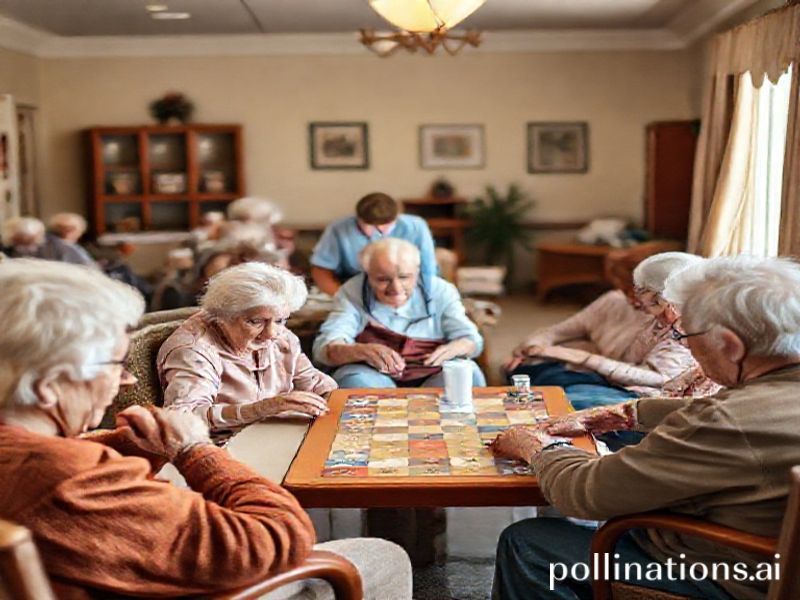
Nursing Homes: The Silver Tsunami and Why the World Is Talking About It
# **Nursing Homes: The Silver Tsunami and Why the World is Talking About It**
Alright, folks, let’s dive into a topic that’s been making waves globally—nursing homes. No, it’s not just because your grandma’s been posting memes on Facebook (though, kudos to her for staying trendy). The conversation around nursing homes is heating up, and it’s not just because of the aging population. There’s a cultural shift happening, and it’s about time we talk about it.
### **Why Is Everyone Talking About Nursing Homes?**
First off, let’s address the elephant in the room—the world is getting older. The global population of people aged 65 and over is growing at an unprecedented rate. By 2050, the number of seniors is expected to double, creating what demographers affectionately call the “silver tsunami.” This demographic shift is forcing societies to rethink how they care for their elderly populations, and nursing homes are at the center of this storm.
But it’s not just about numbers. The pandemic has shone a harsh spotlight on the conditions within nursing homes. Stories of neglect, understaffing, and tragic outcomes have sparked outrage and calls for reform. Social media has played a huge role in amplifying these voices, turning nursing home conditions into a global talking point.
### **Cultural Context: A Global Phenomenon**
The way different cultures approach aging and elder care varies widely, but the trend toward institutional care is a global one. In the U.S., nursing homes have long been a contentious issue, with debates raging over funding, quality of care, and the ethics of placing elderly individuals in facilities. Meanwhile, in countries like Japan and Italy, where aging populations are particularly pronounced, the conversation is equally heated.
In some cultures, elder care is deeply rooted in family traditions. In many Asian countries, for example, it’s common for multiple generations to live under one roof, with younger family members caring for their elders. However, rapid urbanization and changing social dynamics are challenging these traditions, leading to a rise in nursing home usage.
### **Social Impact: The Human Cost**
The social impact of nursing homes is profound. On one hand, they provide a necessary service for those who can no longer live independently. On the other hand, they can be isolating and dehumanizing, stripping away the dignity and autonomy of their residents.
The pandemic has exacerbated these issues, with lockdowns and visitation restrictions leaving many elderly individuals feeling abandoned and lonely. Social media has become a lifeline for some, with platforms like Facebook and Instagram allowing seniors to stay connected with loved ones. But it’s a bittersweet solution—a digital band-aid on a gaping wound.
### **What Makes This Topic Significant?**
The nursing home debate is about more than just bricks and mortar; it’s about how we value our elderly. It’s about whether we see them as a burden or a treasure trove of wisdom and experience. It’s about whether we’re willing to invest in their well-being or if we’re content to sweep them under the rug.
This topic is significant because it forces us to confront our own mortality and the kind of society we want to live in. Do we want a world where our elders are cared for with compassion and respect, or do we want a world where they’re forgotten and neglected?
### **Conclusion: The Future of Nursing Homes**
As the silver tsunami continues to roll in, the conversation around nursing homes will only grow louder. It’s time for us to rethink how we care for our elderly—not just as a societal obligation, but as a moral imperative. Whether through policy reforms, technological innovations, or a cultural shift in how we view aging, the future of nursing homes is in our hands.
So, let’s talk about it. Let’s share stories, demand change, and ensure that our elders are treated with the dignity and respect they deserve. After all, one day, we’ll all be there too.
—