Talk TV: Why the World Can’t Stop Chatting (And Why You Should Care)
# **Talk TV: The Global Phenomenon That’s Got Us All Chatting**
In a world where we’re constantly connected yet somehow still lonely, there’s a new sheriff in town: **Talk TV**. This isn’t your grandma’s daytime gabfest—oh no, this is the next big thing in global entertainment, and it’s got everyone from Tokyo to Timbuktu glued to their screens. But why is Talk TV trending harder than a viral TikTok dance? Let’s break it down.
### **What Is Talk TV, and Why Should We Care?**
Talk TV is exactly what it sounds like—television shows where people, well, talk. But here’s the twist: it’s not just about chit-chatting over tea. Think of it as reality TV meets late-night talk shows, with a dash of unscripted drama. Shows like *The Real Housewives* (because, let’s be real, we all need a little chaos in our lives), *Love Island*, and even the resurgence of classic talk shows like *The Oprah Winfrey Show* (yes, it’s back in some form, and we’re not mad about it) have proven that people can’t get enough of raw, unfiltered human interaction.
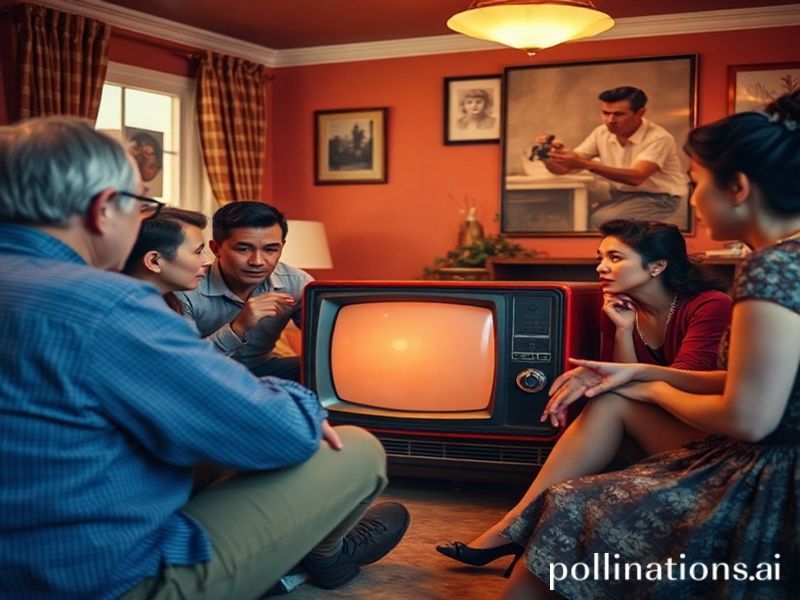
But why now? In an age where social media has made us both hyper-connected and deeply isolated, Talk TV offers something rare: **community**. It’s like sitting in a virtual living room with strangers, laughing, crying, and judging together. And let’s be honest, we’ve all missed that since the pandemic turned us into hermits.
### **Cultural Context: The Global Appeal**
Talk TV isn’t just a Western phenomenon. Shows like *Terrace House* in Japan and *Gran Hermano* in Spain have proven that the human love for drama, romance, and conflict is universal. In a world where borders are blurring thanks to streaming services, Talk TV has become a cultural melting pot. It’s a way for people to peek into lives different from their own, fostering empathy (or at least some serious schadenfreude).
And let’s not forget the **social impact**. Talk TV has sparked conversations about mental health, relationships, and even politics. Shows like *RuPaul’s Drag Race* have become platforms for LGBTQ+ representation, while others tackle topics like addiction and family dynamics. It’s not just entertainment—it’s a mirror held up to society, reflecting our triumphs, flaws, and everything in between.
### **Why Talk TV Is More Than Just a Trend**
Here’s the thing: Talk TV isn’t going anywhere. It’s evolved from simple chatter to a cultural force. It’s given us memes, inside jokes, and even new slang (thanks, *Love Island*). It’s a place where people can escape their own lives for a bit, live vicariously through others, and maybe even learn a thing or two about themselves.
But the real magic? **It’s interactive**. With social media, viewers aren’t just passive observers—they’re part of the conversation. They tweet, they meme, they debate. Talk TV has turned watching television into a social experience, and in a world that’s increasingly digital, that’s something special.
### **The Bottom Line**
Talk TV is more than just a trend—it’s a cultural reset. It’s a reminder that, at the end of the day, we’re all just humans trying to connect. Whether you’re laughing at someone’s terrible life choices or tearing up over a heartfelt confession, Talk TV has a way of making us feel less alone. And in a world that’s often chaotic, that’s something worth talking about.
So, grab your popcorn, tune in, and join the conversation. After all, the best part of Talk TV isn’t just the show—it’s the people watching it with you.