The Fizz on Energy Drinks: Why the World is Buzzing Over Caffeinated Buzz
### The Fizz on Energy Drinks: Why the World is Buzzing Over Caffeinated Buzz
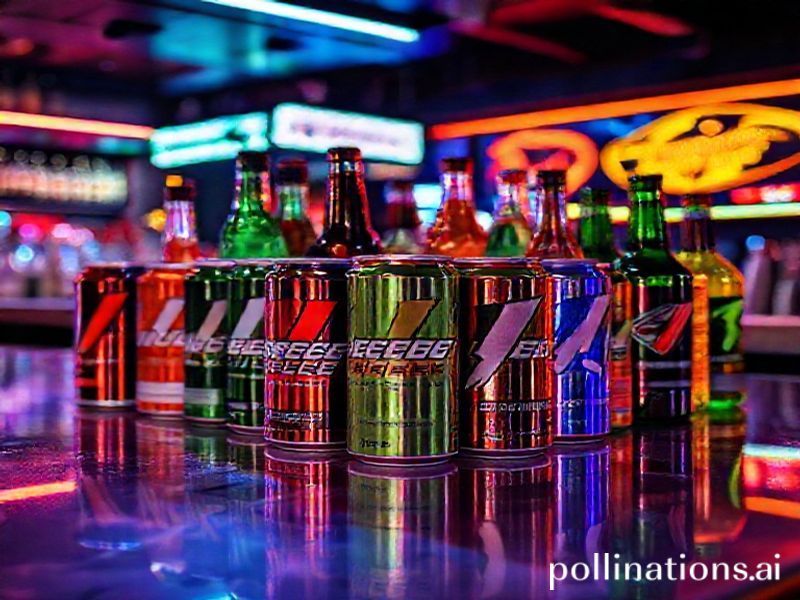
In a world where hustle culture reigns supreme and sleep is often the first casualty of our busy lives, energy drinks have become the modern-day elixir of productivity. From students pulling all-nighters to professionals powering through marathon workdays, these caffeinated concoctions are the go-to solution for a quick energy boost. But why are energy drinks trending globally, and what’s the cultural and social impact of this fizzy phenomenon?
#### The Rise of the Energy Drink
Energy drinks first hit the scene in the 1960s, but it wasn’t until the late 1990s and early 2000s that they exploded in popularity. Brands like Red Bull, Monster, and Rockstar became household names, thanks to their aggressive marketing campaigns and the rise of extreme sports and gaming cultures. The promise of enhanced performance, increased focus, and extended energy made these drinks a staple for those looking to push their limits.
Today, the global energy drink market is worth billions, with projections to reach over $100 billion by 2027. The trend isn’t just limited to Western countries; energy drinks are gaining traction in emerging markets like India, China, and Brazil, where urbanization and busy lifestyles are driving demand.
#### Cultural Context: From Extreme Sports to Esports
Energy drinks have become deeply ingrained in various subcultures. In the world of extreme sports, brands like Red Bull have sponsored athletes and events, creating a strong association between energy drinks and high-octane activities. The slogan “Red Bull gives you wings” has become iconic, symbolizing the idea that these drinks can help you achieve the impossible.
Similarly, the rise of esports has further fueled the popularity of energy drinks. Gamers often rely on these beverages to stay alert during long hours of competition. Brands have capitalized on this trend by sponsoring esports teams and events, creating a symbiotic relationship between the gaming community and energy drink companies.
#### Social Impact: The Dark Side of the Buzz
While energy drinks offer a quick fix for fatigue, they also come with a host of potential health risks. High levels of caffeine and sugar can lead to issues like heart palpitations, insomnia, and even more serious conditions like heart disease. The World Health Organization has raised concerns about the consumption of energy drinks, particularly among young people.
Moreover, the marketing of energy drinks has been criticized for targeting vulnerable populations, including teenagers and young adults. The glamorous and adventurous imagery used in advertisements can create a false perception of the benefits of these drinks, leading to excessive consumption.
#### What Makes This Topic Significant?
The global trend of energy drinks is significant for several reasons. Firstly, it reflects the broader cultural shift towards a 24/7 lifestyle where productivity is prioritized over rest. The demand for energy drinks highlights the societal pressure to always be “on” and the lengths people will go to meet these expectations.
Secondly, the trend underscores the power of marketing and branding in shaping consumer behavior. Energy drink companies have masterfully positioned their products as essential tools for success, creating a cultural narrative that is hard to ignore.
Lastly, the trend raises important questions about public health and the role of regulation. As energy drinks continue to gain popularity, there is a growing need for awareness and education about their potential risks. Policymakers and health organizations must work together to ensure that consumers are informed and protected.
#### Conclusion: The Buzz Isn’t Going Away
Energy drinks are more than just a trend; they are a cultural phenomenon that reflects the fast-paced, always-connected world we live in. While they offer a quick fix for fatigue, the long-term health implications and societal pressures they represent cannot be ignored. As the global market continues to grow, it’s crucial to approach the topic with a critical eye, balancing the benefits of a quick energy boost with the need for informed, responsible consumption.
So, the next time you reach for that can of energy drink, remember: it’s not just a beverage; it’s a cultural statement. And like all good statements, it comes with a side of controversy.