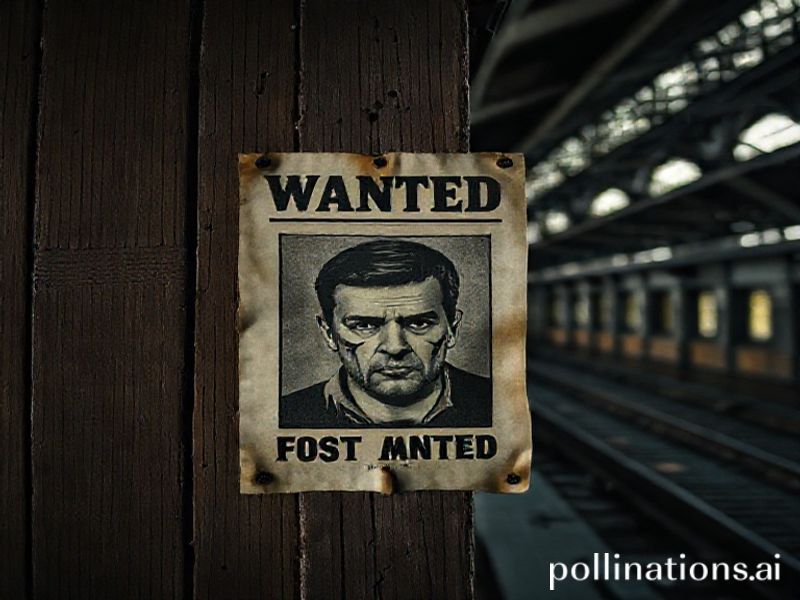
FBI’s Most Wanted: The Viral Rogues’ Gallery That Has the World Hooked
# **FBI’s Most Wanted: Why the World is Glued to This Digital Rogues’ Gallery**
In the vast, chaotic digital landscape of the internet, few things captivate global audiences quite like the FBI’s Most Wanted list. It’s not just a list of names and mugshots—it’s a modern-day rogues’ gallery that has somehow become a cultural phenomenon. But why is the world suddenly obsessed with these digital outlaws? Let’s dive in.
### **The Thrill of the Chase**
At its core, the FBI’s Most Wanted list taps into humanity’s primal fascination with crime and justice. It’s like watching a real-life episode of *Criminal Minds* or *FBI: Most Wanted* (yes, the TV show exists, and it’s as dramatic as you’d expect). The list offers a glimpse into the shadowy underworld of fugitives, terrorists, and cybercriminals, making us feel like we’re part of the investigation. It’s the digital equivalent of rubbernecking at a car crash—we can’t look away.
### **Social Media’s Role in the Spotlight**
The internet has turned the FBI’s Most Wanted list into a viral sensation. Platforms like Twitter, Reddit, and TikTok have amplified the reach of these fugitives, turning them into unlikely celebrities. Memes, conspiracy theories, and amateur sleuthing have turned the list into a global watercooler topic. Remember the infamous “Barefoot Bandit,” Colton Harris-Moore? His escapades became a viral sensation, complete with memes and fan art. The FBI’s Most Wanted list has become a hotbed for internet culture, where real-life crime stories collide with digital humor.
### **The Cultural Impact**
The list also reflects broader cultural anxieties. In an era of cybercrime, terrorism, and political instability, the FBI’s Most Wanted list serves as a reminder of the threats lurking in the shadows. It’s a stark contrast to the polished, curated world of social media, where influencers and celebrities dominate the narrative. The list humanizes the faceless criminals behind global threats, making them relatable—and sometimes even sympathetic.
### **The Significance of the List**
Beyond the entertainment value, the FBI’s Most Wanted list plays a crucial role in law enforcement. It’s a tool for public engagement, encouraging citizens to report tips and contribute to investigations. The list has led to the capture of some of the most notorious criminals in history, from Ted Bundy to Osama bin Laden. In an age where trust in institutions is waning, the list serves as a reminder of the FBI’s ongoing efforts to keep us safe.
### **The Dark Side of Fame**
Of course, not all attention is good attention. The FBI’s Most Wanted list has also sparked debates about the ethics of turning criminals into internet sensations. Some argue that the list glamorizes crime, while others worry about the psychological impact on the fugitives’ families. It’s a delicate balance between raising awareness and exploiting tragedy.
### **Conclusion**
The FBI’s Most Wanted list is more than just a roster of criminals—it’s a cultural phenomenon that reflects our collective fascination with crime, justice, and the digital age. It’s a reminder that even in the most chaotic corners of the internet, there’s a story worth telling. So, the next time you see a mugshot trending on your feed, remember: you’re not just looking at a criminal. You’re looking at a piece of internet history.