Divine Intervention: Why ‘Divinity’ Is Trending Globally
In a world where memes reign supreme and viral trends come and go faster than a TikTok dance challenge, the concept of “divinity” has somehow managed to claw its way back into the global spotlight. Yes, you heard it right—divinity, the big D-word that once belonged exclusively to theologians and ancient Greek gods, is now trending. But why? And more importantly, why should you care?
The Cultural Context: From Mount Olympus to Mount Likes
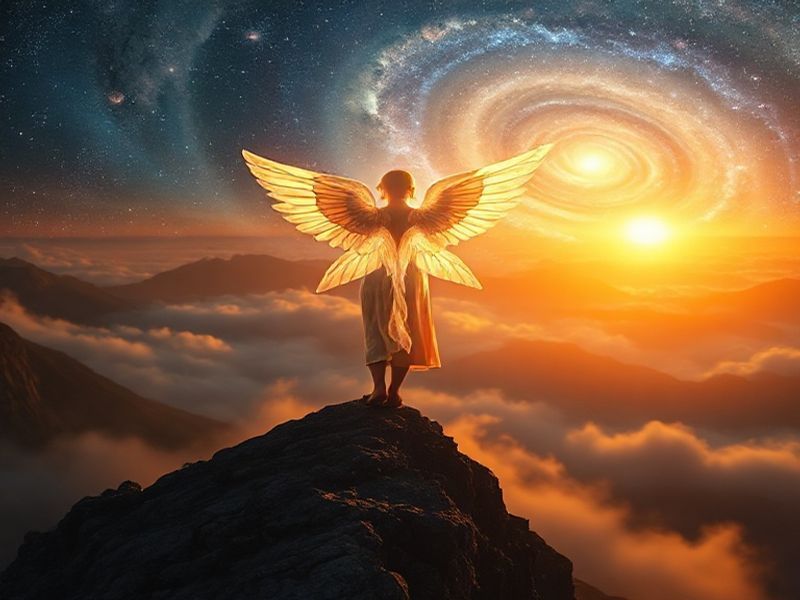
Divinity, in its broadest sense, refers to the quality of being divine or godlike. Historically, it’s been a hot topic in religious and philosophical circles, but today, it’s getting a modern makeover. Thanks to the internet, divinity is no longer confined to dusty old texts or Sunday sermons. It’s everywhere—from Twitter debates about whether Kanye West is the “Chosen One” to TikTok videos of people claiming to have seen angels.
The resurgence of divinity in popular culture can be attributed to a few key factors. First, there’s the rise of spiritual but not religious (SBNR) movements. More and more people are ditching organized religion but still craving a sense of the divine. Enter Instagram influencers preaching about “manifesting your destiny” and YouTube channels offering “spiritual guidance.” It’s like religion, but with better lighting and a catchy soundtrack.
Then there’s the influence of pop culture. Movies like “The Matrix” and “Avengers: Endgame” have made divinity cool again. Who doesn’t want to be a godlike superhero, right? And let’s not forget about the impact of social media. In a world where everyone is vying for attention, claiming to have a divine connection is the ultimate flex. It’s the spiritual equivalent of dropping a mic.
The Social Impact: From Sacred to Viral
The trend of divinity has had a significant impact on society. For one, it’s sparked a wave of self-proclaimed prophets and gurus. From the “God Girl” to the “Messiah of Memphis,” these modern-day mystics are using the internet to spread their messages. And people are listening. Whether it’s out of genuine belief or just sheer curiosity, the divinity trend has created a new breed of influencers who are as much about spirituality as they are about likes and shares.
But it’s not all rainbows and halos. The divinity trend has also led to some controversial moments. Remember the time Kanye West claimed he was the “greatest human artist of all time” and that he was “the second coming of God”? Or when a certain reality TV star claimed to have a direct line to the divine? These moments have sparked heated debates and memes galore, proving that divinity is as much a part of internet culture as cat videos and fail compilations.
Why It Matters: The Divine in the Digital Age
So why should you care about this trend? Because divinity is more than just a buzzword. It’s a reflection of our collective desire for meaning and connection in an increasingly chaotic world. In an era where technology dominates and traditional institutions are losing their grip, the idea of something greater than ourselves is comforting. It’s a reminder that we’re not alone, even if that “something greater” is just a meme.
Moreover, the divinity trend highlights the power of the internet to shape and reshape cultural narratives. What was once the domain of priests and philosophers is now up for grabs, and anyone with a Wi-Fi connection can weigh in. It’s a democratization of the divine, and it’s both fascinating and a little terrifying.
Conclusion: The Divine in All of Us
In the end, the divinity trend is a testament to the human spirit’s enduring quest for transcendence. Whether you’re a believer, a skeptic, or just someone who enjoys a good meme, there’s something to be said about the way divinity has captured our collective imagination. So the next time you see a viral video of someone claiming to have a divine encounter, remember: in the digital age, the divine is whatever we make of it. And who knows? Maybe we’re all a little bit divine after all.