When the World Turns into a Slip ‘N Slide: The Ice Storm Warning Phenomenon
In a world where we’re used to doomscrolling through news about wildfires, hurricanes, and heatwaves, an “ice storm warning” might sound like Mother Nature’s way of telling us to put on our best figure-skating outfit. But as the globe grapples with increasingly erratic weather patterns, ice storm warnings are trending—not just as a meteorological heads-up, but as a cultural touchstone that’s got everyone from meme lords to climate scientists talking.
Why the Sudden Chill?
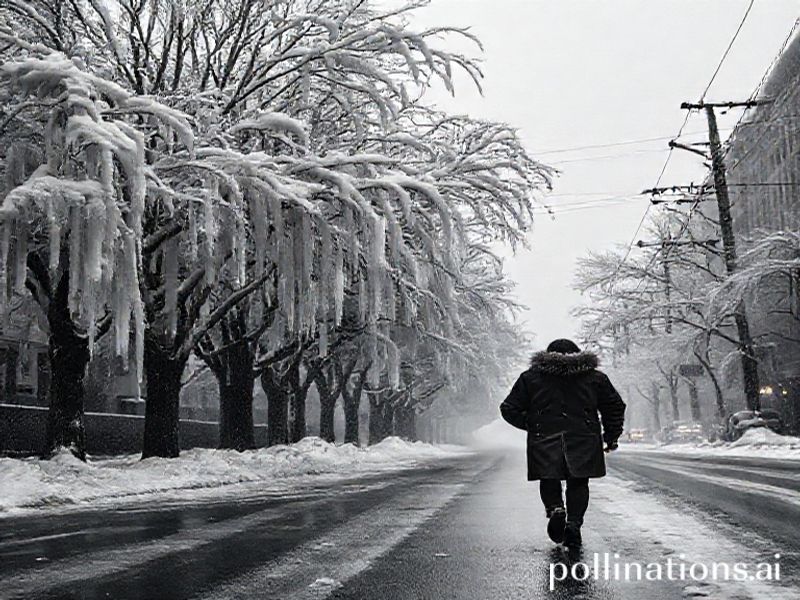
Ice storm warnings have been popping up like unwanted guests at a party across North America, Europe, and even parts of Asia. These warnings are issued when freezing rain is expected to accumulate on surfaces, creating a glaze of ice that turns roads into slip ‘n slides and power lines into precarious icicles. But why the sudden global buzz?
First off, it’s not just about the weather. It’s about the impact. Ice storms can paralyze cities, knock out power for days, and turn everyday commutes into extreme sports challenges. In a world where we’re all glued to our screens, watching real-life scenes of cars skidding into ditches and people attempting to walk like penguins on ice has become a bizarrely captivating form of entertainment.
Cultural Context: From Meme Material to Climate Wake-Up Call
The internet, being the chaotic digital playground it is, has turned ice storm warnings into a goldmine for memes and viral content. From “ice storm challenges” where people attempt to walk on ice (spoiler: it’s not pretty) to “ice storm cooking” where folks attempt to cook without power, the trend has sparked a wave of creativity—and a lot of laughter.
But beneath the surface, the trend is also a stark reminder of the broader implications of climate change. As temperatures fluctuate more dramatically, ice storms are becoming more frequent and more severe. What was once a rare weather event is now a regular occurrence, and the cultural impact is undeniable. It’s a wake-up call that’s hard to ignore, even for the most dedicated doomscrollers.
Social Impact: The Good, the Bad, and the Slippery
The social impact of ice storm warnings is a mixed bag. On the one hand, they bring communities together as neighbors help each other shovel ice, share generators, and swap stories of their most embarrassing falls. On the other hand, they disrupt daily life, cause economic losses, and highlight the vulnerabilities of our infrastructure.
For businesses, ice storms can mean lost revenue and disrupted supply chains. For schools, they mean unexpected snow days (or rather, ice days). For social media managers, they mean a sudden influx of content opportunities. The trend has even sparked debates about preparedness and resilience, with discussions ranging from better urban planning to the importance of having a well-stocked emergency kit (because let’s face it, no one wants to be that person eating cold pizza in the dark).
The Significance: More Than Just a Weather Warning
So why is this trend significant? Because it’s a microcosm of our times. It’s a reminder that we’re all in this together—whether we’re laughing at memes, sharing tips on staying warm without power, or grappling with the realities of a changing climate.
Ice storm warnings are more than just a weather alert; they’re a cultural phenomenon that reflects our collective experiences, our resilience, and our sense of humor in the face of adversity. They’re a trend that’s as much about community and creativity as it is about climate change.
In the end, whether you’re a meteorologist, a meme lord, or just someone trying to walk to the store without slipping, the ice storm warning trend is a reminder that we’re all connected—and that sometimes, the best way to deal with a slippery situation is to laugh, adapt, and come together.