Game On: Why the World Can’t Stop Cheering for Sports
### The Global Love Affair with Sports: Why the World Can’t Stop Scoring
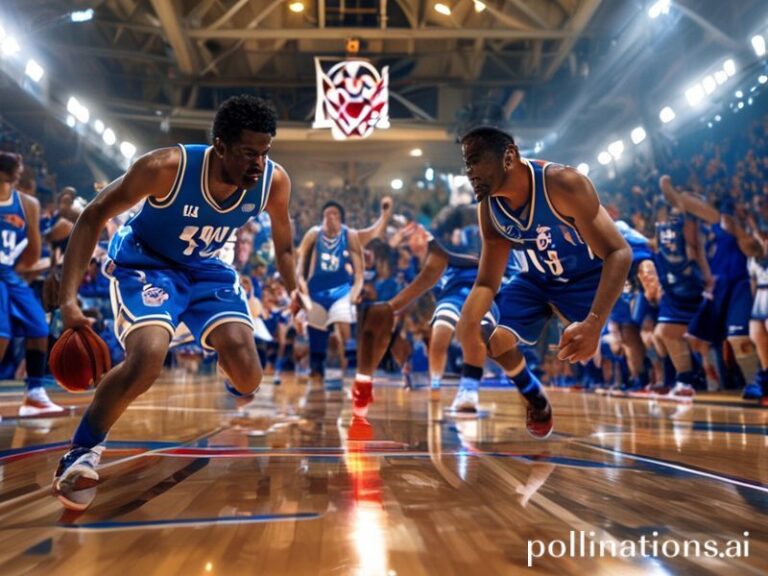
In a world where memes come and go like fast food, there’s one trend that’s not just sticking around—it’s sprinting laps around the globe. We’re talking about sports, folks. From the roar of the crowd at a soccer match to the collective groan when a basketball player misses a free throw, sports have become the ultimate global spectacle. But why? What’s got everyone from your grandma to that guy who still thinks “Netflix and chill” is a dating strategy glued to their screens, cheering for their favorite teams? Let’s dive in.
#### The Cultural Melting Pot
Sports today are more than just games; they’re a cultural phenomenon. They transcend borders, languages, and even political divides. Think about it: when the World Cup rolls around, entire nations pause their daily grind to unite under a shared passion. It’s like the world’s biggest group project, but instead of a PowerPoint, you get goals, touchdowns, and the occasional dramatic dive into the penalty area.
This global love affair with sports is fueled by a few key ingredients:
1. **The Thrill of Competition**: Humans are wired to love a good competition. Whether it’s a friendly game of ping-pong or the Olympics, the thrill of victory and the agony of defeat keep us on the edge of our seats.
2. **The Rise of Social Media**: Platforms like Twitter, Instagram, and TikTok have turned sports into a 24/7 spectacle. Highlights, memes, and viral moments spread faster than a cold at a gym. Suddenly, everyone’s an armchair analyst, and your opinion on the latest controversial call matters—at least to your followers.
3. **The Celebrity Factor**: Athletes are the new rock stars. They’ve got the swagger, the endorsements, and the fan bases to match. From LeBron James to Serena Williams, these modern-day gladiators inspire millions, proving that hard work and dedication can lead to greatness.
#### The Social Impact
Sports aren’t just about entertainment; they’re a powerful force for social change. They bring people together, challenge stereotypes, and spark important conversations. Remember when Colin Kaepernick took a knee during the national anthem? That moment sparked a global debate about racial injustice and police brutality. Sports have the power to amplify voices and drive meaningful change.
Moreover, sports foster a sense of community. Whether it’s a local Little League game or a packed stadium, sports create shared experiences that bind us together. They teach us about teamwork, resilience, and the importance of fair play. In a world that often feels divided, sports remind us that we’re all part of something bigger.
#### What Makes Sports Significant Today
In today’s fast-paced, digital world, sports offer a much-needed escape. They provide a break from the chaos of daily life and a chance to connect with others. Whether you’re cheering for your favorite team or laughing at a hilarious sports fail, sports bring joy and excitement to millions.
But perhaps the most significant aspect of sports today is their ability to adapt and evolve. From eSports to virtual reality experiences, the world of sports is constantly innovating. It’s not just about what happens on the field anymore; it’s about the entire experience—from the hype on social media to the post-game analysis.
#### Conclusion
So, why is sports trending globally? Because it’s more than just a game. It’s a cultural phenomenon, a social catalyst, and a source of endless entertainment. In a world that’s always connected but often disconnected, sports remind us of the power of community, competition, and shared passion. Whether you’re a die-hard fan or a casual observer, there’s no denying the global love affair with sports. And as long as there are games to play and stories to tell, that love affair will continue to thrive.