Snap to It: The Global Junk Food Ban That’s Got Everyone Talking
# **Snap to It: The Global Junk Food Ban That’s Got Everyone Talking**
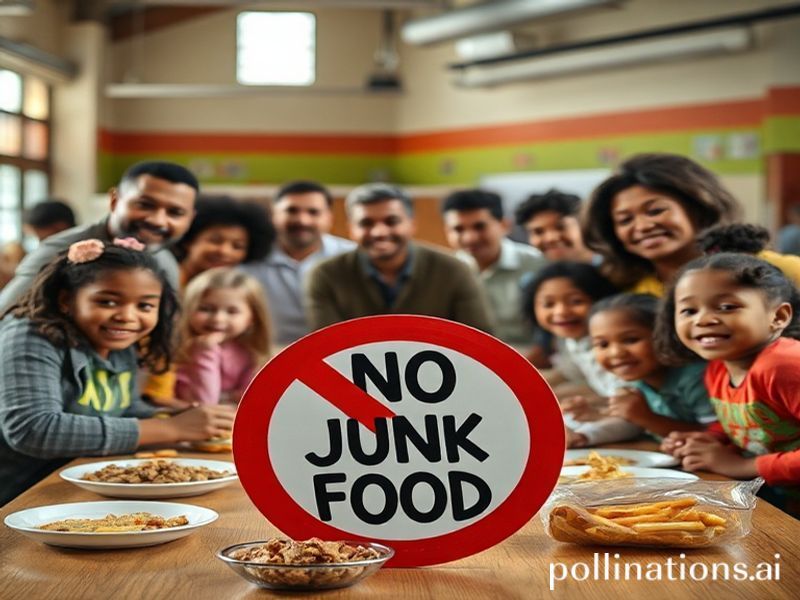
In a world where memes spread faster than a sneeze in a yoga class, there’s a new trend that’s got everyone from health nuts to fast-food fanatics buzzing: the **Snap Junk Food Ban**. Yes, you heard it right. The social media giant Snapchat is making waves by restricting the promotion of junk food on its platform. But why is this trending globally, and what does it mean for our collective snack game? Let’s dive in.
## **The Cultural Context: A World Obsessed with Snacking**
Let’s face it—we live in a world where snacking is practically a competitive sport. From viral TikTok trends like the “Girl Dinner” (a fancy way of saying “I ate a bag of chips and called it a meal”) to the endless debate over whether pineapple belongs on pizza, food is a major part of our digital identity. But with rising concerns about obesity, diabetes, and overall health, governments and tech giants are starting to take notice.
Snapchat’s decision to ban junk food ads isn’t just about health; it’s about **cultural influence**. The app is a hub for Gen Z and millennials, demographics that are increasingly conscious of their food choices. By restricting junk food promotions, Snapchat is sending a message: **Health matters, and we’re not here for the sugar-coated lies.**
## **The Social Impact: A Battle Between Convenience and Conscience**
The junk food ban has sparked a global conversation about **personal responsibility vs. corporate influence**. On one hand, critics argue that banning ads is an overreach—people should have the freedom to choose what they eat. On the other hand, supporters say that constant exposure to junk food ads normalizes unhealthy eating habits, especially for younger users.
This debate isn’t just happening in the U.S. Countries like the UK, Canada, and Australia have already implemented strict regulations on food marketing aimed at kids. The Snap Junk Food Ban is part of a broader global movement to hold tech companies accountable for the content they promote.
## **Why This Matters: The Intersection of Tech and Public Health**
The significance of this trend goes beyond just snacks. It’s about **how technology shapes our behavior**. Social media platforms have long been criticized for promoting unhealthy lifestyles, from unrealistic beauty standards to excessive screen time. Now, they’re being called out for their role in our diets too.
Snapchat’s move could set a precedent for other platforms. If Instagram, TikTok, and YouTube follow suit, we might see a **shift in digital marketing strategies**—one that prioritizes health and wellness over quick sales. And let’s be real, if junk food ads disappear from our feeds, we might finally stop craving those late-night pizza rolls.
## **The Bottom Line: A Snackable Conclusion**
The Snap Junk Food Ban is more than just a trending topic—it’s a **wake-up call**. It’s a reminder that the choices we make online have real-world consequences, and that tech companies have a responsibility to promote healthier habits. Whether you’re a junk food junkie or a kale enthusiast, this trend is a sign that the digital world is evolving—and for once, it’s not just about algorithms and engagement.
So, the next time you see a snack ad, ask yourself: **Is this really what I want to feed my mind (and my stomach)?** Because in the age of the Snap Junk Food Ban, the answer might just be… *nope*.
—