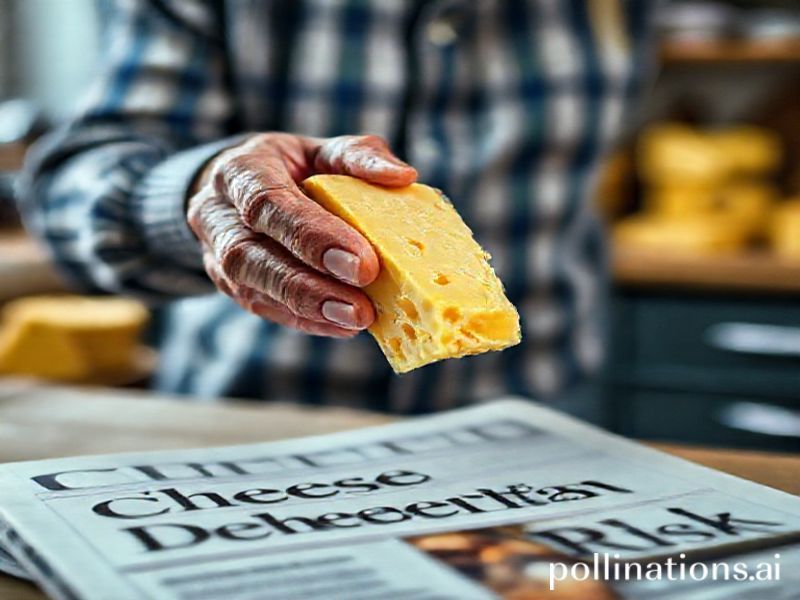
Cheese Lovers, Rejoice! The Gouda News on Dementia Risk
# **Cheese Lovers, Rejoice! The Gouda News on Dementia Risk**
In a world where memes come and go faster than a TikTok trend, there’s one topic that’s been grating the internet’s cheese—pun intended. The latest buzz is about cheese and its potential link to dementia risk. Yes, you read that right. The very food that makes our pizzas, burgers, and charcuterie boards irresistible might be playing a role in our brain health. But before you swear off brie forever, let’s dive into why this topic is trending globally and what it means for your next snack attack.
### **The Cheese and Dementia Connection: What’s the Big Deal?**
The conversation around cheese and dementia risk gained traction after a study published in the *Journal of Alzheimer’s Disease* suggested that higher consumption of cheese might be associated with an increased risk of developing dementia. The study, which analyzed data from over 1,800 participants, found that those who ate more cheese had a higher likelihood of developing dementia over a 22-year period. The researchers speculated that the saturated fats and sodium in cheese could be contributing factors.
But before you start panicking and tossing your cheddar into the trash, it’s important to note that correlation doesn’t equal causation. The study doesn’t prove that cheese directly causes dementia, but it does raise some intriguing questions. After all, cheese is a staple in many cultures, from the French baguette with camembert to the American cheeseburger. Could our love for dairy be doing more harm than good?
### **Cultural Context: Cheese is a Global Love Affair**
Cheese isn’t just a food—it’s a cultural icon. In France, it’s a point of national pride, with over 1,000 varieties to choose from. In Italy, it’s the star of countless pasta dishes and pizzas. In the U.S., it’s the glue that holds together everything from grilled cheese sandwiches to nacho platters. The idea that cheese might be bad for our brains is enough to send shockwaves through food-loving communities worldwide.
But here’s the twist: not all cheeses are created equal. Some cheeses, like feta and mozzarella, are lower in saturated fat compared to their creamier counterparts like brie and camembert. The study didn’t differentiate between types of cheese, so it’s possible that the risk varies depending on what kind of cheese you’re indulging in. For now, the message seems to be: enjoy cheese in moderation, and maybe opt for the lighter options.
### **Social Impact: The Internet’s Cheese Crisis**
The internet has, of course, had a field day with this news. Memes about “cheese guilt” and “dairy dilemmas” have been flooding social media, with users joking about their newfound fear of fondue. The hashtag #CheeseAndDementia has been trending, with people sharing their favorite cheese dishes and debating whether they should cut back.
But beyond the memes, there’s a serious conversation happening. Many people are questioning whether they should be more mindful of their cheese consumption, especially as they age. The study has also sparked discussions about the broader implications of diet on brain health, with some experts suggesting that a balanced diet—rich in fruits, vegetables, and whole grains—might be the key to warding off dementia.
### **What Makes This Topic Significant?**
The cheese and dementia debate is significant for several reasons. First, it highlights the importance of understanding the long-term effects of our dietary choices. While cheese is delicious and culturally significant, it’s also important to be aware of potential risks. Second, it underscores the need for more research into the link between diet and brain health. The study is just one piece of the puzzle, and there’s still much to learn.
Finally, this topic is a reminder that even the most beloved foods can have a dark side. It’s a call to action for us to be more mindful of what we eat and to strike a balance between indulgence and health. So, go ahead and enjoy that slice of pizza or that cheese platter—but maybe, just maybe, consider going easy on the extra cheese.
### **Conclusion: To Cheese or Not to Cheese?**
The cheese and dementia debate is a hot topic, but it doesn’t mean you have to give up your favorite dairy delights altogether. Moderation is key, and being aware of the potential risks can help you make more informed choices. So, keep enjoying your cheese—just maybe not in the quantities of a French fromagerie.
And remember, the internet will always find a way to turn even the most serious topics into memes. So, whether you’re team cheddar or team vegan, let’s keep the conversation going—with a side of humor, of course.