blood donation
**The Red Gold Rush: Why Blood Donation is the Hottest Trend You Can’t Ignore**
Alright, folks, let’s talk about a trend that’s not just saving lives but also making waves across the globe. No, it’s not the latest TikTok dance or a new Netflix series—it’s blood donation. Yes, you read that right. Blood donation is the new black, and it’s taking over the internet, one pint at a time.
**The Cultural Context: From Taboo to Trendy**
Once upon a time, talking about blood donation was about as comfortable as discussing your ex’s flaws at a family gathering. But thanks to the internet and a wave of awareness campaigns, the narrative has shifted. Social media platforms are buzzing with stories of people rolling up their sleeves, sharing their experiences, and encouraging others to do the same. It’s like the #IceBucketChallenge, but with a much more tangible and immediate impact.
In many cultures, blood donation was shrouded in myths and misconceptions. Some believed it would weaken you, others thought it was painful, and a few even associated it with supernatural consequences. But thanks to influencers, celebrities, and everyday heroes, the stigma is fading. It’s becoming cool to care, and cool to contribute.
**The Social Impact: A Drop in the Bucket, a World of Difference**
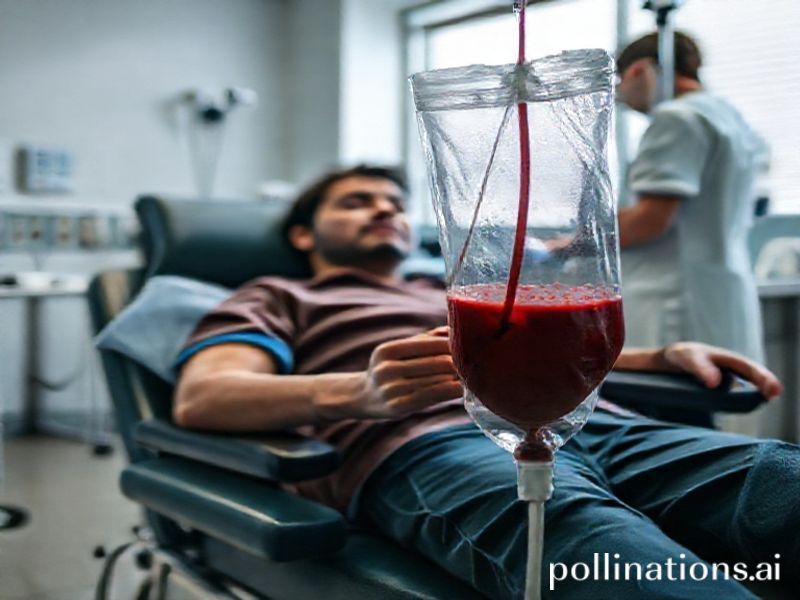
Every two seconds, someone in the U.S. needs blood. That’s a lot of seconds, and a lot of people. Globally, the numbers are staggering. Blood donations are crucial for surgeries, cancer treatments, chronic illnesses, and emergency situations. They are the unsung heroes of the medical world, quite literally keeping the world spinning.
The trend of blood donation is not just about the act itself but also about the community it builds. Social media has turned blood donation into a collective effort, a virtual movement where people come together to support a cause. It’s like a digital blood drive, where shares, likes, and comments translate into real-world impact.
**Why It’s Significant: The Power of a Single Drop**
In a world where trends come and go faster than a sneeze in a wind tunnel, blood donation stands out. It’s a trend that matters. It’s a trend that saves lives. It’s a trend that turns strangers into lifesavers.
The significance of this trend lies in its ability to bridge gaps—cultural, social, and even political. It’s a universal language that transcends borders and boundaries. It’s a reminder that we’re all in this together, and a single drop of blood can make a world of difference.
**The Future of the Trend: Keeping the Momentum Going**
So, what’s next for this red-hot trend? The future looks bright, with technology playing a pivotal role. Apps and websites are making it easier than ever to find blood drives, schedule donations, and even connect with recipients. Virtual reality experiences are being developed to simulate the donation process, helping to alleviate fears and encourage more people to participate.
But the real key to keeping this trend alive lies in education and awareness. The more we talk about it, the more we normalize it, the more lives we save. So, let’s keep the conversation going. Let’s keep rolling up our sleeves. Let’s keep turning a trend into a lifeline.
In conclusion, blood donation is more than just a trend—it’s a movement. It’s a testament to the power of community, the impact of social media, and the incredible potential of a single act of kindness. So, go ahead, be a trendsetter. Donate blood, share your story, and let’s make this trend go viral in the best way possible.
—
**METADATA**
{
“title”: “The Red Gold Rush: Why Blood Donation is the Hottest Trend You Can’t Ignore”,
“categories”: [“Trending”, “Current Events”],
“tags”: [“Trending Now”, “Global News”, “Health Awareness”, “Blood Donation”, “Social Impact”],
“imageDescription”: “A diverse group of people standing in a line, each with a bandage on their arm, smiling and giving thumbs up. The background features a blood donation center with medical equipment and a banner that reads ‘Donate Blood, Save Lives’. The mood is uplifting and communal, highlighting the collective effort and positive impact of blood donation.”
}
—END METADATA—