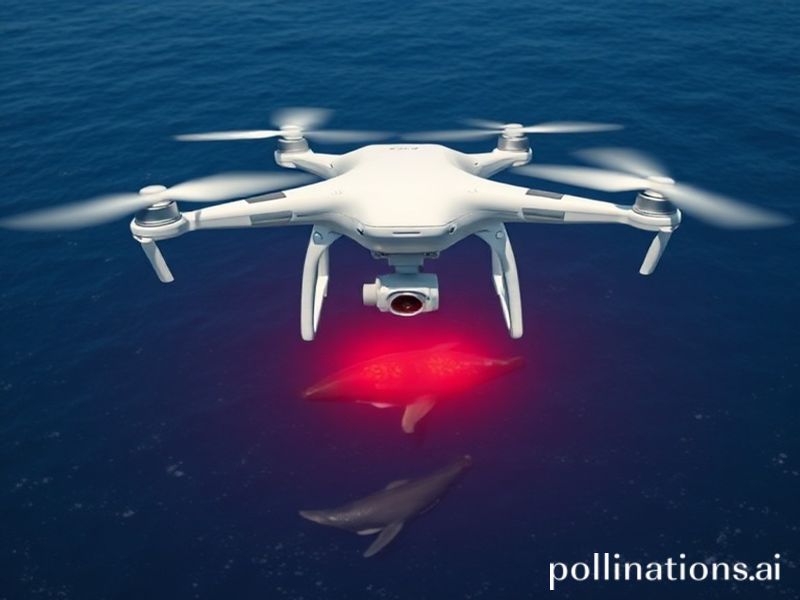
Drones vs. Whales: The High-Tech Hunt for Ocean Viruses is Trending, and Here’s Why
**Drones vs. Whales: The High-Tech Hunt for Ocean Viruses is Trending, and Here’s Why**
Alright, folks, buckle up! We’re diving into the deep end of the internet’s latest obsession: drones detecting whale viruses. Yes, you read that right. It’s not just about delivering your Amazon packages or giving your neighbor a bird’s-eye view of their yard sale anymore. Drones are now playing detective in the vast ocean, hunting for viruses that could potentially wipe out our beloved marine giants. Let’s break down why this is trending globally and why you should care.
**The Scoop: Drones to the Rescue**
A team of scientists from the University of California, Davis, has been using drones to collect blow samples from whales. These samples are then tested for viruses, including the morbillivirus, which can cause deadly outbreaks in marine mammals. The drones are equipped with petri dishes to catch the whales’ snot (yes, you read that right—whale snot) as they surface and blow out air. It’s like a high-tech game of “catch the sneeze,” but with way higher stakes.
**Why It’s Trending**
1. **Tech Meets Nature:** The internet loves a good mashup, and this is a prime example. Drones, usually associated with tech geeks and military ops, are now helping save whales. It’s a fusion that’s hard to ignore.
2. **Whale Love:** Let’s face it, everyone loves whales. They’re majestic, intelligent, and Instagram-worthy. The idea of these gentle giants falling victim to a virus has sparked a wave of concern and curiosity.
3. **Climate Change Conversations:** This trend is piggybacking on the global conversation about climate change and its impact on marine life. People are eager to learn more about how technology can help monitor and protect our oceans.
4. **The “Gross Factor”:** Let’s not forget the sheer gross-out factor of collecting whale snot. The internet thrives on the weird and wonderful, and this story has both in spades.
**Cultural Context and Social Impact**
This story is more than just a viral trend; it’s a reflection of our times. We’re living in an era where technology is intertwined with every aspect of our lives, including conservation efforts. The use of drones to detect whale viruses highlights the potential of technology to solve real-world problems.
Moreover, this story has sparked conversations about the importance of marine conservation. It’s a reminder that we’re all connected, and the health of our oceans is crucial to the health of our planet. The trend has also inspired people to support organizations working to protect marine life, turning internet buzz into real-world action.
**Why It’s Significant**
The significance of this trend goes beyond the viral hype. Here’s why it matters:
1. **Early Detection:** The ability to detect viruses in whales early can help prevent outbreaks and protect marine ecosystems. This is a game-changer for marine conservation.
2. **Non-Invasive Research:** The use of drones allows scientists to collect samples without disturbing the whales. This is a huge leap forward in marine research.
3. **Setting a Precedent:** This project sets a precedent for using drones in other areas of conservation. It opens up a world of possibilities for protecting wildlife and monitoring ecosystems.
So, there you have it, folks. The next time you see a drone buzzing around, remember, it might not just be delivering your latest online shopping haul. It could be out there, playing detective, saving whales, and making the world a better place. Now, isn’t that something worth trending about?