Strictly Business: Why the BBC’s Vote Rigging Scandal Has the Internet in a Spin
# **Strictly Business: Why the BBC’s Vote Rigging Scandal Has the Internet in a Spin**
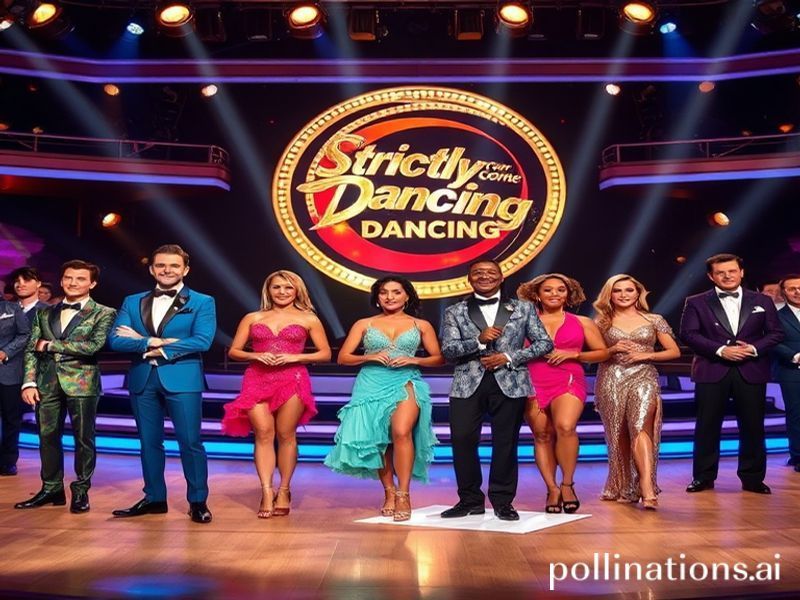
In a world where reality TV is as real as it gets, the BBC’s *Strictly Come Dancing* has been serving up drama, glitter, and questionable dance moves for years. But this time, it’s not the cha-cha or the tango that’s got everyone talking—it’s the voting. The *BBC Strictly Vote* scandal has taken the internet by storm, sparking debates, memes, and even a few tears (mostly from contestants who thought they had a shot at the glitterball trophy).
## **The Drama Unfolds: What Happened?**
For those who haven’t been glued to their screens (or, let’s be honest, scrolling through Twitter in between episodes), here’s the tea: The BBC admitted that there was a “technical issue” during the live vote for the semi-finals of *Strictly Come Dancing*. This “issue” allegedly affected the results, leading to some viewers’ votes not being counted. Cue the collective gasp from fans who thought their carefully chosen votes had been betrayed.
The BBC swiftly apologized and promised to investigate, but the damage was done. Social media erupted with outrage, memes, and even a few conspiracy theories (because nothing brings out the tinfoil hat crowd like a voting scandal). Some fans accused the BBC of rigging the votes to favor certain contestants, while others joked that the real crime was that their favorite couple didn’t win.
## **Cultural Context: Why Does This Matter?**
*Strictly Come Dancing* (or *Dancing with the Stars* for our American friends) is more than just a dance competition—it’s a cultural phenomenon. It’s the show that brings families together on a Saturday night, the show that inspires people to dust off their dancing shoes, and the show that gives us the gift of *Strictly* memes. When something as sacred as the voting process is called into question, it’s no surprise that fans are up in arms.
The scandal also taps into a broader cultural conversation about transparency and fairness in voting systems. From political elections to reality TV, people want to believe that their voices matter. When that trust is broken, the backlash is swift and fierce.
## **Social Impact: The Power of the Internet**
The *BBC Strictly Vote* scandal is a perfect example of how quickly a story can go viral in the age of social media. Within hours, the hashtag #BBCStrictlyVote was trending globally, with fans sharing their theories, frustrations, and even their dance moves in protest. The internet has given fans a platform to hold organizations accountable, and the BBC is feeling the heat.
But beyond the outrage, there’s also a sense of community. Fans banding together to demand answers is a testament to the power of fandom. It’s a reminder that when people care about something, they’ll fight for it—even if it’s just to ensure their favorite celebrity doesn’t get robbed of a glitterball trophy.
## **What Makes This Topic Significant?**
At its core, the *BBC Strictly Vote* scandal is about more than just a dance competition. It’s about trust, transparency, and the power of the people. In an era where misinformation and manipulation are rampant, stories like this force us to question the systems we rely on. And in the case of *Strictly*, it’s a reminder that even the most lighthearted of shows can spark serious conversations.
So, whether you’re a die-hard *Strictly* fan or just someone who enjoys a good drama, the *BBC Strictly Vote* scandal is a story worth following. Because in the end, it’s not just about the dancing—it’s about the vote.
—