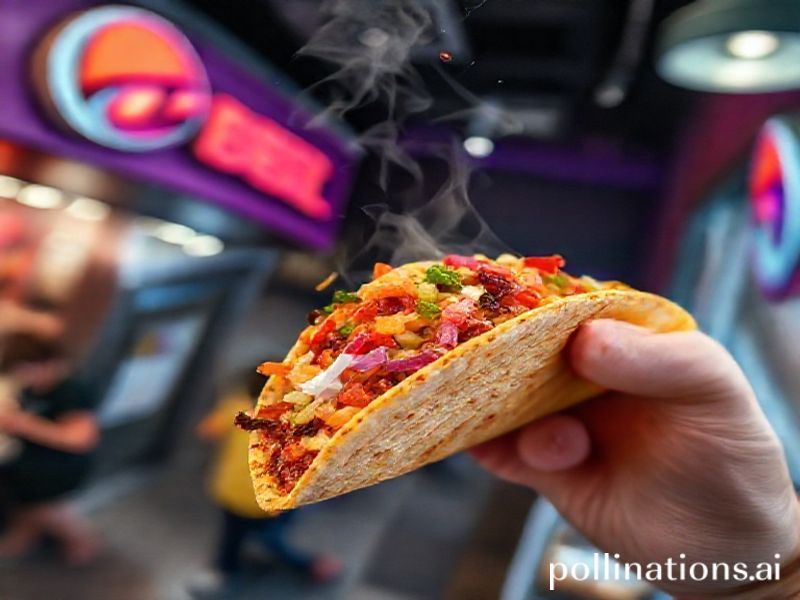
Taco Bell: The Fast Food Chain That’s Taking Over the World, One Dorito Taco at a Time
### Taco Bell: The Fast Food Chain That’s Conquering the World, One Dorito Taco at a Time
In a world where fast food chains are a dime a dozen, Taco Bell has managed to carve out a unique niche for itself. With its vibrant branding, quirky marketing, and, of course, its deliciously questionable menu items, Taco Bell has become a global phenomenon. But why is this fast-food giant trending worldwide? Let’s dive in and explore the cultural context, social impact, and what makes Taco Bell so significant in today’s internet-driven world.
#### A Cultural Icon with a Twist
Taco Bell has always been more than just a fast-food chain. It’s a cultural icon that has managed to stay relevant by embracing the absurd and the unexpected. From the infamous “Live Más” slogan to the introduction of the Doritos Locos Tacos, Taco Bell has a knack for turning the ordinary into the extraordinary.
One of the key reasons Taco Bell is trending globally is its ability to tap into the zeitgeist of internet culture. The brand has become a meme magnet, with its menu items and marketing campaigns frequently appearing in viral content. Whether it’s the “Cheesy Gordita Crunch” or the “Volcano Taco,” Taco Bell’s offerings are often the subject of memes, tweets, and TikTok videos.
#### Social Impact: More Than Just Fast Food
Taco Bell’s impact goes beyond just serving up tasty (or at least entertaining) meals. The chain has become a symbol of accessibility and affordability, offering a quick and cheap meal option for people around the world. In many countries, Taco Bell has become a go-to spot for late-night cravings, study sessions, and post-party munchies.
Moreover, Taco Bell has made significant strides in terms of social responsibility. The chain has committed to using cage-free eggs and reducing its environmental footprint, which has resonated with a growing number of socially conscious consumers. By aligning itself with these values, Taco Bell has managed to stay relevant and appealing to a broader audience.
#### The Taco Bell Experience
What sets Taco Bell apart from other fast-food chains is its unique dining experience. The vibrant, colorful decor, the playful menu descriptions, and the overall vibe of the restaurants create an atmosphere that is both fun and inviting. This experience is a big part of why Taco Bell is trending globally.
The chain’s marketing campaigns are also a significant factor in its global popularity. Taco Bell has a history of launching bold and innovative campaigns that capture the attention of consumers. From its “Steal a Base, Steal a Taco” promotion during the World Series to its collaboration with Doritos, Taco Bell knows how to make a splash in the marketing world.
#### Why Taco Bell Matters
In a world where fast food is often criticized for its health implications and environmental impact, Taco Bell stands out as a brand that is trying to do things differently. By embracing innovation, sustainability, and social responsibility, Taco Bell has managed to stay ahead of the curve.
Additionally, Taco Bell’s ability to tap into internet culture and become a meme-worthy brand has solidified its place in the hearts of millennials and Gen Z. The chain’s playful and irreverent approach to marketing has made it a favorite among younger consumers, ensuring its continued relevance in the fast-food industry.
#### Conclusion
Taco Bell’s global trendiness is a testament to its ability to stay relevant, innovative, and culturally significant. From its meme-worthy menu items to its socially responsible initiatives, Taco Bell has managed to carve out a unique niche in the fast-food industry. As the world continues to evolve, Taco Bell’s ability to adapt and embrace change will ensure its continued success and popularity.
So, the next time you find yourself craving a Crunchwrap Supreme or a Dorito Taco, remember that you’re not just enjoying a tasty meal—you’re partaking in a global phenomenon that is as much a cultural icon as it is a fast-food chain.