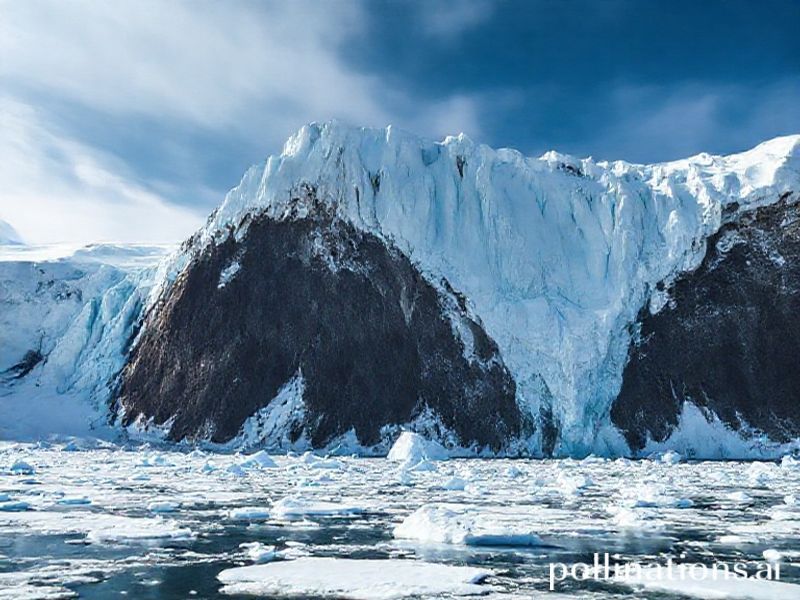
Thwaites Got 99 Problems, and Melting’s Just One: The Doomsday Glacier Drama
**Title: “Thwaites Got 99 Problems, and Melting’s Just One: The Doomsday Glacier Drama”**
Alright, folks, buckle up! We’re diving headfirst into the icy abyss of one of the most talked-about environmental hotspots of the decade: the Thwaites Glacier, aka the “Doomsday Glacier.” This isn’t just another ice cube in the climate change smoothie; it’s a massive, crumbling behemoth that’s got scientists, meme lords, and even your grandma’s book club buzzing. But why’s this frozen giant trending harder than a TikTok dance challenge? Let’s break it down.
**The Cultural Context: From Sci-Fi to Headlines**
Remember those cheesy disaster movies where a rogue glacier decides to take a stroll toward civilization? Well, Hollywood might’ve been onto something. The Thwaites Glacier, located in the Amundsen Sea in West Antarctica, is about the size of Florida and holds enough ice to raise global sea levels by about 10 feet (3 meters). That’s enough to turn your beachfront property into a waterfront property—permanently.
The term “Doomsday Glacier” was coined by scientists to emphasize its critical role in global sea level rise. But thanks to the internet, it’s evolved into a cultural shorthand for impending environmental doom, inspiring memes, late-night jokes, and even a few existential crises on Twitter.
**Social Impact: More Than Just a Hashtag**
The Thwaites Glacier’s melting isn’t just a problem for penguins and polar bears. It’s a global issue with local consequences. Here’s why it’s trending beyond the science community:
1. **Sea Level Rise**: Coastal cities from Miami to Mumbai are keeping a close eye on Thwaites. Rising sea levels mean more flooding, more erosion, and more expensive real estate for those who can afford it. Not exactly a win-win.
2. **Economic Fallout**: Insurance companies, shipping industries, and even your local ice cream parlor are all affected by climate change. The economic impact of a melting Thwaites is a hot topic in boardrooms and political debates worldwide.
3. **Political Drama**: Climate change is a political hot potato, and Thwaites is the cherry on top. From international summits to local town halls, the glacier’s fate is becoming a rallying cry for action—or inaction, depending on who you ask.
4. **Meme Culture**: Let’s be real, folks. The internet runs on memes, and Thwaites is no exception. From “Thwaites Got 99 Problems” to “Doomsday Glacier: The Sequel,” the memes are as creative as they are concerning.
**Why It’s Significant: The Clock is Ticking**
The Thwaites Glacier is significant because it’s a tipping point. Scientists are racing against time to understand its behavior and predict its future. The more we know, the better we can prepare—or prevent—catastrophic outcomes.
But here’s the kicker: Thwaites isn’t just about ice and water. It’s a symbol of our collective responsibility to the planet. It’s a reminder that climate change isn’t a distant threat; it’s happening right now, and it’s affecting us all.
**Conclusion: The Ice Age is Over**
So, what’s the takeaway? The Doomsday Glacier is more than just a trending topic. It’s a wake-up call, a meme machine, and a global challenge. Whether you’re a scientist, a policymaker, or just someone scrolling through your feed, Thwaites is a reminder that we’re all in this together.
And hey, if nothing else, it’s a great conversation starter at parties. Just don’t blame me if the punchline freezes over.