Hooters: The Global Phenomenon That’s More Than Just Wings
# **Hooters: The Global Phenomenon That’s More Than Just Wings**
In the vast, chaotic landscape of the internet, trends come and go faster than a sneeze in a wind tunnel. But every now and then, something emerges that transcends its original purpose, becoming a global sensation that leaves us all scratching our heads and asking, “Wait, why is this a thing again?” Enter: **Hooters**.
Yes, the restaurant chain known for its wings, beer, and, ahem, *ambiance*, has found itself at the center of a global conversation. But why? Let’s dive in.
### **The Cultural Context: More Than Just a Logo**
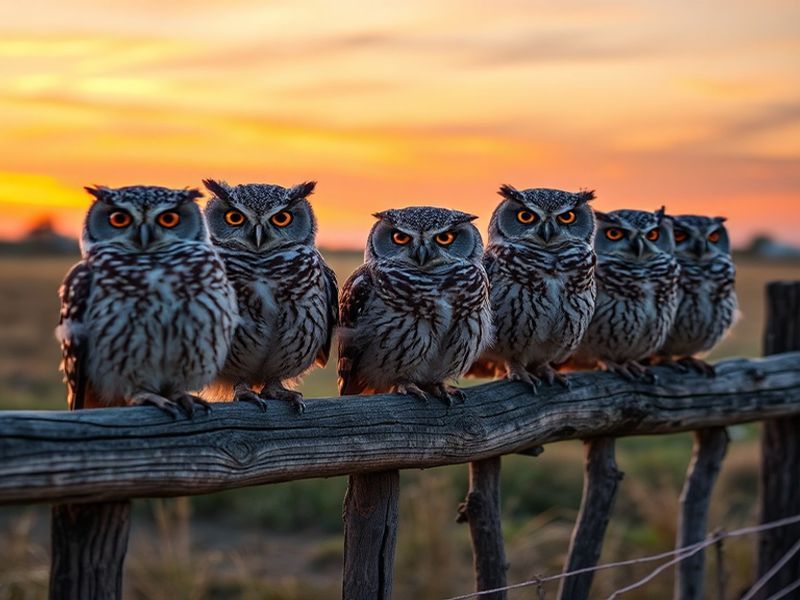
Hooters, founded in 1983, has long been a polarizing figure in the restaurant industry. With its signature orange and white color scheme, owl mascot, and, yes, its uniformed servers, the brand has always walked a fine line between playful branding and controversy. The name itself, derived from the sound an owl makes, has been a source of endless jokes and memes, cementing its place in internet folklore.
But why is it trending now? Part of it has to do with the way internet culture repurposes and remixes old ideas. Hooters has been a meme staple for years, but recent resurgences—like the viral “Hooters Girl” TikTok trend or the endless debates about whether the restaurant is “ironic” or just *trying*—have brought it back into the spotlight.
### **Social Impact: A Mirror to Our Times**
Hooters’ resurgence isn’t just about nostalgia or memes; it’s a reflection of broader cultural conversations. The brand has been scrutinized for its portrayal of women, with critics arguing that it objectifies its servers and perpetuates outdated gender norms. On the other hand, some see it as a relic of a bygone era, one that’s now being reclaimed through irony and satire.
This duality is what makes Hooters so fascinating. It’s a brand that exists in the gray area between sincerity and parody, forcing us to question our own relationship with nostalgia, irony, and the way we consume media. Are we laughing *with* Hooters or *at* it? The answer isn’t always clear, and that’s part of what makes it so compelling.
### **Why It Matters: The Power of Internet Culture**
Hooters’ trendiness is a testament to the power of internet culture to reshape and redefine even the most seemingly outdated brands. It’s a reminder that nothing is ever truly “dead” online—everything can be revived, remixed, and repurposed for a new audience.
But beyond the memes and the debates, Hooters’ resurgence also highlights the importance of critical thinking. As we engage with these trends, we’re forced to confront our own biases and the ways in which brands shape—and are shaped by—society. Is Hooters a harmless joke, or is it a symptom of deeper cultural issues? The answer, as always, is complicated.
### **Conclusion: Hooters, the Owl That Keeps on Flying**
Whether you love it, hate it, or just can’t look away, Hooters is undeniably a cultural force. Its ability to remain relevant—even in an era where trends burn out faster than a sparkler—is a testament to its staying power. And as long as the internet exists, Hooters will continue to be a source of laughter, debate, and endless memes.
So here’s to Hooters: the brand that keeps on giving, whether we like it or not.