The Great Number Plate Purge: Why the DVLA’s 2026 Ban Has the Internet in a Spin
**The Great Number Plate Purge: Why the DVLA’s 2026 Ban Has the Internet in a Spin**
In a world where even our number plates are becoming as fleeting as our attention spans, the UK’s Driver and Vehicle Licensing Agency (DVLA) has dropped a bombshell that’s got the internet buzzing. The DVLA has announced that it will ban the issuance of certain number plates in 2026, and the global internet culture is here for the drama. But why is this seemingly mundane announcement causing such a stir? Let’s dive in.
**The Plot Thickens: What’s the Fuss About?**
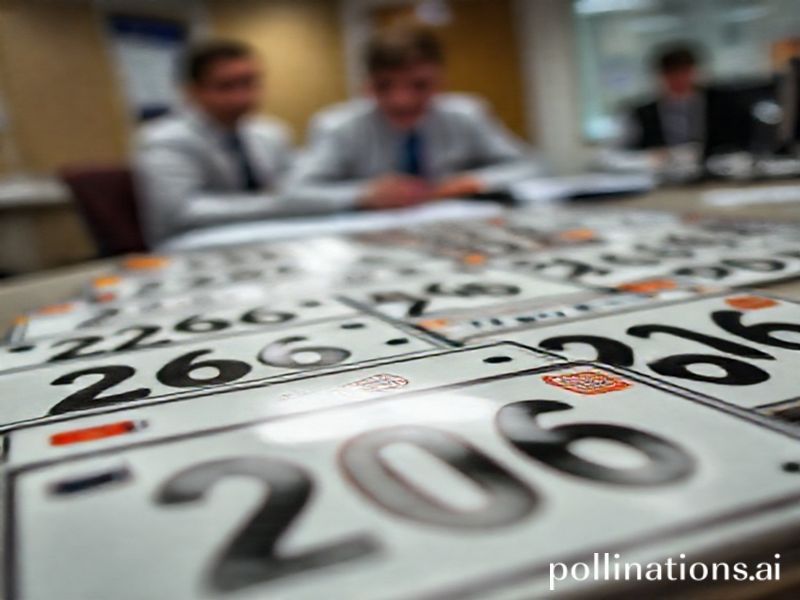
The DVLA’s decision to ban certain number plates in 2026 is part of a routine culling process that happens every 50 years or so. The agency is removing combinations that could be considered offensive, or those that might be too easily confused with other characters. This isn’t just about avoiding embarrassment at the DMV; it’s about preventing potential road safety issues and maintaining a certain level of decorum on our roads.
But here’s the kicker: the DVLA hasn’t released the full list of banned combinations. This has left car enthusiasts, number plate collectors, and the general public in a frenzy of speculation. The internet, being the internet, has already started generating memes and jokes about the potential banned plates, with #DVLA2026 trending on social media platforms.
**Cultural Context: Number Plates as Status Symbols**
In the UK and beyond, number plates are more than just identifiers; they’re status symbols. Personalized plates, in particular, are a way for people to express their individuality, showcase their wealth, or even pay homage to their favorite football team. The DVLA’s decision to ban certain combinations is seen by some as an infringement on this form of self-expression.
Moreover, the ban has sparked debates about censorship and freedom of speech. Some argue that the DVLA is overstepping its bounds by dictating what can and cannot be displayed on a number plate. Others contend that the agency is merely performing its duty to maintain public decency and safety.
**Social Impact: The Ripple Effect**
The DVLA’s announcement has had a ripple effect beyond the UK. Other countries are now scrutinizing their own number plate policies, with some considering similar bans. This global trend highlights the interconnectedness of our world and how policies in one country can influence others.
The ban has also sparked a wave of nostalgia, with people sharing memories of their first cars and the number plates that came with them. It’s a reminder of how our vehicles often become an extension of ourselves, carrying our memories and experiences down the road of life.
**Why This Topic is Significant**
The DVLA’s 2026 ban is significant for several reasons. Firstly, it highlights the power of the internet to amplify even the most seemingly mundane topics into global trends. Secondly, it underscores the importance of self-expression and the debates surrounding censorship in the digital age. Lastly, it serves as a reminder of the cultural significance of number plates and the role they play in our lives.
So, as we approach 2026, let’s brace ourselves for the great number plate purge. And remember, whether your plate is personalized or not, it’s a part of your story. And who knows? Maybe one day, your number plate will be the subject of a global internet trend.