America 250 Float: A Parade of Patriotism or a Polarizing Spectacle?
The America 250 float at the Rose Parade has become the talk of the town—or should we say, the globe? This year’s float, celebrating the 250th anniversary of the United States, has sparked a whirlwind of reactions, memes, and debates across social media platforms. But why is this float trending globally, and what does it say about our collective cultural psyche?
A Float for the History Books
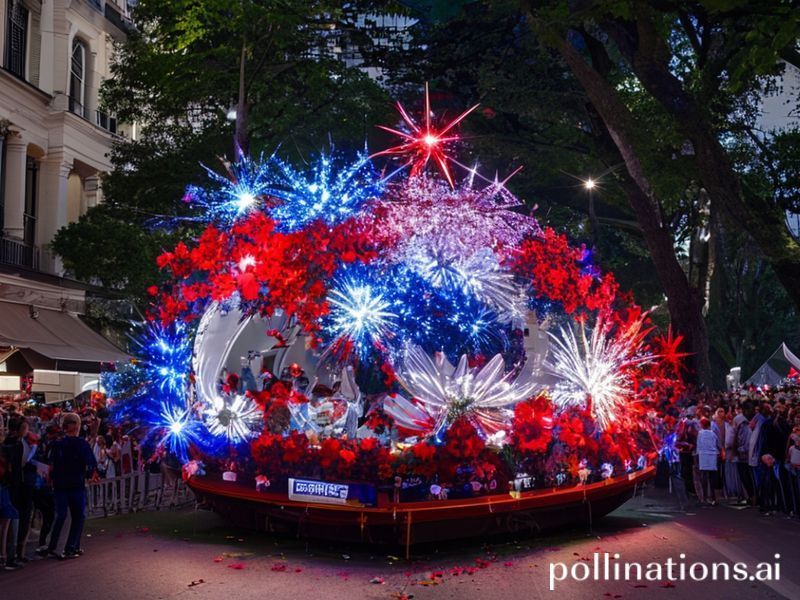
First, let’s set the scene. The America 250 float, sponsored by the National Park Foundation, was a grand spectacle featuring a towering statue of Lady Liberty, a majestic bald eagle, and a plethora of patriotic symbols. The float aimed to celebrate America’s natural wonders and national parks, showcasing the country’s beauty and heritage. Sounds harmless, right? Well, not quite.
The Meme-ification of Patriotism
Almost instantly, the float became a meme magnet. Social media users, particularly on platforms like Twitter and TikTok, began to dissect and parody every aspect of the float. The bald eagle, in particular, became the star of countless memes, with users comparing it to everything from a disgruntled office worker to a disheveled rockstar.
The memes weren’t just about humor; they reflected a broader cultural conversation about patriotism, national identity, and the complexities of celebrating a country with a rich but often contentious history. The float’s grandeur and the eagle’s somewhat forlorn expression seemed to encapsulate the duality of American pride—both its aspirational ideals and its messy realities.
Cultural Context: A Nation in Flux
The America 250 float’s viral moment comes at a time when the United States is grappling with significant social and political upheavals. From debates about racial justice and police reform to the ongoing polarization between political ideologies, the country is in a state of flux. The float, with its traditional symbols of patriotism, became a lightning rod for these discussions.
For some, the float represented a nostalgic longing for a simpler, more unified America. For others, it was a reminder of the country’s complex history and the ongoing struggles for equality and justice. The float’s viral status underscores the fact that national identity is not static; it’s a dynamic, evolving concept that is constantly being redefined and reinterpreted.
Social Impact: A Mirror to Our Collective Consciousness
The America 250 float’s global trending status also highlights the power of social media in shaping public discourse. In the digital age, a single image or event can spark a worldwide conversation, transcending geographical boundaries and cultural differences. The float’s meme-ification is a testament to the internet’s ability to democratize discourse, allowing people from all walks of life to contribute to the narrative.
Moreover, the float’s viral moment has sparked important conversations about the role of patriotism in modern society. It has prompted people to reflect on what it means to be American, to question the myths and narratives that have long been taken for granted, and to engage in a more nuanced and critical dialogue about national identity.
Why It Matters
The America 250 float’s global trending status is significant for several reasons. Firstly, it underscores the power of visual symbols in shaping public discourse. The float’s imagery, from the towering Lady Liberty to the disheveled bald eagle, became a canvas for people to project their hopes, fears, and aspirations.
Secondly, the float’s viral moment highlights the importance of engaging with our collective history and heritage in a critical and reflective manner. It reminds us that patriotism is not about blind allegiance; it’s about engaging with the complexities of our past and present, and striving towards a more just and equitable future.
Lastly, the America 250 float’s global trending status is a testament to the power of the internet in shaping global conversations. In an increasingly interconnected world, a single event can spark a worldwide dialogue, transcending cultural and geographical boundaries.
Conclusion: A Parade of Possibilities
The America 250 float’s viral moment is more than just a meme; it’s a reflection of our collective cultural psyche. It’s a reminder that national identity is not static; it’s a dynamic, evolving concept that is constantly being redefined and reinterpreted. The float’s grand spectacle and the eagle’s forlorn expression encapsulate the duality of American pride—both its aspirational ideals and its messy realities.
As we continue to engage with the float’s imagery and the conversations it has sparked, let us remember that patriotism is not about blind allegiance; it’s about engaging with the complexities of our past and present, and striving towards a more just and equitable future. The America 250 float may have been a parade float, but its impact is far from fleeting. It’s a parade of possibilities, a testament to the power of visual symbols in shaping public discourse, and a reminder of the importance of engaging with our collective history and heritage in a critical and reflective manner.