Dry January: The Month-Long Hangover Cure That’s Taking Over the World
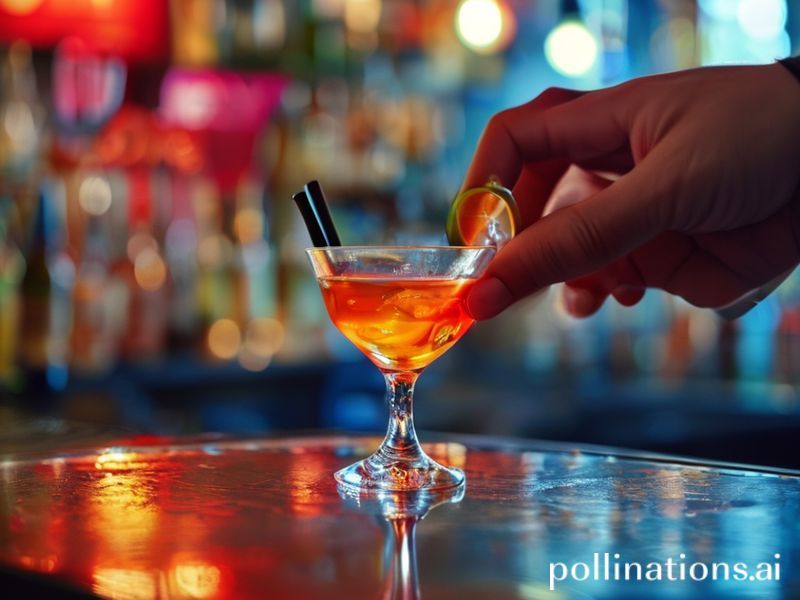
January: the month of new beginnings, gym memberships, and, apparently, sobriety. Dry January, the trend of abstaining from alcohol for the entire month, has taken the world by storm. But why is this trend so popular, and what does it say about our relationship with booze? Let’s dive in.
The Cultural Context: Booze, Burnout, and the New Year Reset
After the chaos of the holidays, many of us are left with a mix of holiday cheer hangover and a deep desire to hit the reset button. Dry January taps into this collective need for a fresh start. It’s like a digital detox, but for your liver.
The trend gained traction in the UK, where the campaign was launched by the charity Alcohol Change UK in 2013. Since then, it’s spread globally, with millions of people participating each year. Social media has played a huge role in its popularity, with hashtags like #DryJanuary and #SoberCurious flooding platforms like Instagram and TikTok. Celebrities and influencers have jumped on the bandwagon, sharing their sober journeys and making it feel like a mainstream movement rather than a niche health fad.
The Social Impact: More Than Just a Hangover Cure
Dry January isn’t just about giving your body a break—it’s also about changing social norms around drinking. In many cultures, alcohol is deeply ingrained in social rituals, from after-work drinks to weekend parties. By opting out, participants challenge the idea that alcohol is necessary for fun or relaxation.
This shift has sparked conversations about alcohol consumption, addiction, and mental health. For some, Dry January is a stepping stone to long-term sobriety. For others, it’s a way to reassess their relationship with alcohol. The movement has also led to the rise of sober social events, non-alcoholic beverages, and even sober travel experiences.
Why It’s Significant: A Global Wake-Up Call
The popularity of Dry January reflects a broader cultural shift toward wellness and mindfulness. People are increasingly aware of the impact of alcohol on their health, productivity, and overall well-being. The trend also highlights the growing demand for alternatives to traditional drinking culture.
From a health perspective, taking a break from alcohol can have noticeable benefits, including better sleep, improved skin, and increased energy levels. But the real significance lies in the cultural conversation it’s sparking. Dry January is more than just a month-long challenge—it’s a movement that’s redefining how we think about alcohol and socializing.
The Bottom Line: To Drink or Not to Drink?
Whether you’re a teetotaler, a casual drinker, or a full-blown party animal, Dry January offers something for everyone. It’s a chance to experiment, reflect, and maybe even discover a new way of living. And if nothing else, it’s a great excuse to try out all the fancy non-alcoholic beverages that have flooded the market.
So, will you be joining the Dry January movement this year? Or are you content to stick with your usual routine? Either way, it’s clear that this trend is here to stay—and it’s changing the way we think about alcohol, one sober month at a time.