The Weakest Link: Why This Phrase is Breaking the Internet (And Maybe Your Friendship)
# The Weakest Link: Why This Phrase is Breaking the Internet (And Maybe Your Friendship)
In the grand theater of internet culture, few phrases have risen to the top of the trending charts quite like “weakest link.” But why is this term suddenly everywhere, from memes to political commentary? Let’s dive in and explore the cultural phenomenon that’s got the world talking—or at least, pointing fingers.
## The Origin Story: From Game Show to Global Meme
The phrase “weakest link” first gained prominence as the tagline for the popular quiz show “The Weakest Link,” hosted by the formidable Anne Robinson. The show’s premise was simple: contestants answered questions to earn money, but at the end of each round, they voted off the “weakest link.” It was a brutal, no-holds-barred approach to game show competition, and it was addictive.
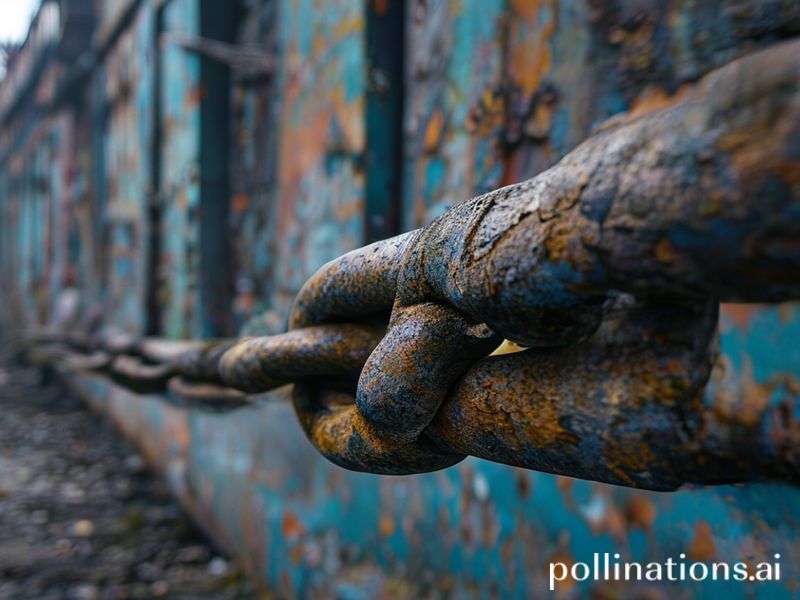
Fast forward to the digital age, and the phrase has taken on a life of its own. It’s become a shorthand for identifying the weakest point in any system, whether it’s a team, a strategy, or even a meme format. The internet, being the ruthless judge it is, has embraced this concept wholeheartedly.
## Cultural Context: The Rise of the Weakest Link Meme
The “weakest link” meme has evolved into a versatile tool for internet commentary. It often features a dramatic close-up of a person (usually a celebrity or public figure) with the caption “When you realize you’re the weakest link.” The meme is used to highlight moments of realization, failure, or just plain awkwardness.
But why has this meme resonated so widely? For one, it taps into the universal human experience of self-doubt and insecurity. We’ve all had moments where we’ve felt like the weakest link in a group, whether it’s at work, school, or even among friends. The meme provides a humorous way to externalize that feeling and share it with others.
## Social Impact: The Power of Vulnerability
The popularity of the “weakest link” meme also speaks to a broader cultural shift towards vulnerability and authenticity. In an era where social media often presents a curated, polished version of reality, the meme offers a refreshing dose of honesty. It’s a reminder that everyone has moments of weakness, and that’s okay.
Moreover, the meme has become a tool for social commentary. It’s used to critique everything from political leaders to corporate strategies, highlighting the weakest points in any given situation. This use of the meme reflects a growing desire for transparency and accountability in all areas of life.
## The Significance: Why It Matters
So, why should we care about the rise of the “weakest link” as a cultural phenomenon? For one, it’s a testament to the power of language and memes in shaping our collective consciousness. A simple phrase can become a global shorthand for complex ideas and emotions.
Additionally, the “weakest link” meme highlights the importance of vulnerability and self-awareness in the digital age. In a world where we’re constantly bombarded with images of perfection, the meme offers a reminder that it’s okay to be imperfect.
## Conclusion: Embracing the Weakest Link
In the end, the “weakest link” phenomenon is more than just a meme—it’s a cultural touchstone that reflects our collective experiences, fears, and aspirations. It’s a reminder that we’re all the weakest link at some point, and that’s what makes us human.
So, the next time you see a “weakest link” meme, take a moment to laugh, reflect, and maybe even embrace your own weaknesses. After all, as the great philosopher Anne Robinson once said, “You are the weakest link—goodbye!”