Beauty FX: The Digital Masquerade Ball Redefining Global Beauty Standards
# The Beauty FX: How Filters Are Redefining Global Beauty Standards
In the age of Instagram, Snapchat, and TikTok, we’re all living in a digital masquerade ball. The masks we wear aren’t made of lace and feathers, but of pixels and algorithms. Welcome to the world of “Beauty FX,” where a swipe and a tap can transform your face into a digital masterpiece. But why is this trend taking the world by storm, and what does it mean for our collective psyche?
## The Cultural Context: A Global Phenomenon
From Seoul to São Paulo, Beauty FX filters are the new global lingua franca. In South Korea, where skincare is practically a national sport, filters that smooth out pores and even out skin tones are all the rage. Meanwhile, in Brazil, filters that enhance curves and add a sun-kissed glow are the digital equivalent of a beach day in Rio.
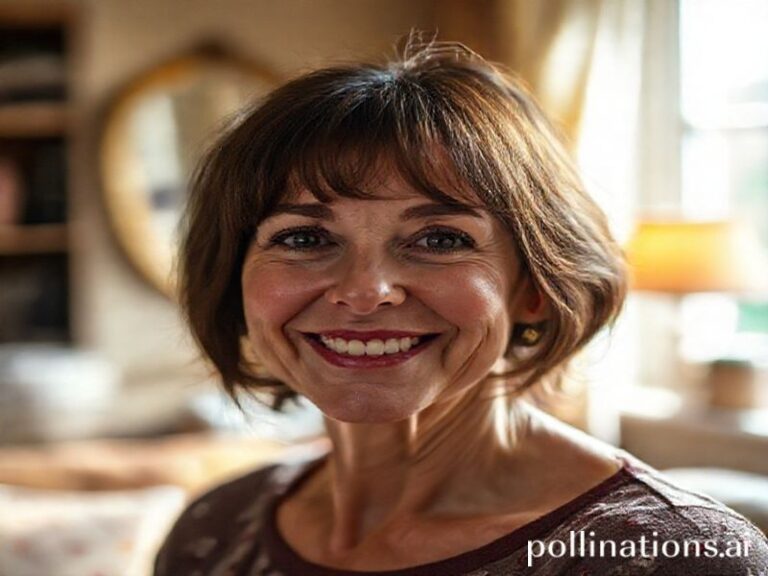
In the U.S., the rise of the “Instagram Face” has sparked a cultural phenomenon. Thanks to filters and editing apps, we’re all striving for the same ethereal, wide-eyed, porcelain-doll look. It’s like the digital equivalent of the ’90s trend of wearing the same outfit to prom—except now, everyone’s wearing the same face.
## The Social Impact: A Double-Edged Brush
On one hand, Beauty FX filters can be a form of creative expression. They allow us to experiment with our appearance, try on different looks, and have a good laugh at our own expense. They can boost self-esteem, make us feel more confident, and even help us connect with others who share our sense of humor.
But on the other hand, there’s a darker side to this digital beauty craze. Studies have shown that excessive use of Beauty FX filters can lead to body image issues, low self-esteem, and even depression. When we constantly compare our real-life appearances to our filtered, airbrushed selves, it’s easy to feel like we’re falling short.
Moreover, the rise of Beauty FX has sparked a global debate about authenticity. In a world where everyone’s face is a digital construct, what does it mean to be “real”? And more importantly, does anyone even care?
## The Significance: A Mirror to Our Collective Psyche
The Beauty FX trend is more than just a fleeting internet fad. It’s a mirror held up to our collective psyche, reflecting our deepest insecurities, our wildest fantasies, and our most profound desires. It’s a testament to our obsession with youth, beauty, and perfection—and a stark reminder of the lengths we’ll go to achieve them.
But perhaps the most significant aspect of the Beauty FX trend is its democratizing power. In the past, beauty standards were dictated by a small group of elites—models, celebrities, and fashion moguls. But now, thanks to the internet and social media, anyone can set a trend, create a filter, and redefine what it means to be beautiful.
## The Future: A Filtered Forecast
So, what’s next for Beauty FX? As technology advances, we can expect filters to become even more realistic, more personalized, and more immersive. Augmented reality (AR) will play a bigger role, blurring the line between our real and digital selves. And as virtual reality (VR) becomes more mainstream, we might even see a rise in “virtual beauty”—a whole new world of digital aesthetics to explore.
But perhaps the most exciting development is the rise of “anti-beauty” filters. These filters embrace imperfections, celebrating the unique, the quirky, and the downright weird. They’re a rebellion against the homogeneity of traditional beauty standards, a celebration of diversity, and a reminder that true beauty lies in our differences.
In conclusion, the Beauty FX trend is a complex, multifaceted phenomenon that reflects our collective obsession with beauty, our desire for connection, and our struggle for authenticity. It’s a digital masquerade ball, a global lingua franca, and a mirror to our collective psyche. So, the next time you apply a filter, remember: you’re not just enhancing your appearance. You’re participating in a global cultural phenomenon, one tap at a time.