Lazio vs Napoli: The Global Culture War You Didn’t Know You Needed
**Title: “Lazio vs Napoli: When Football Matches Become Global Culture Wars”**
Alright, listen up, folks. The internet’s been buzzing louder than a Vuvuzela at a World Cup final, and it’s all because of one glorious, chaotic football (or soccer, if you’re from the States) match: Lazio vs Napoli. But why, you ask, is this particular Serie A clash trending globally? Let’s dive in, shall we?
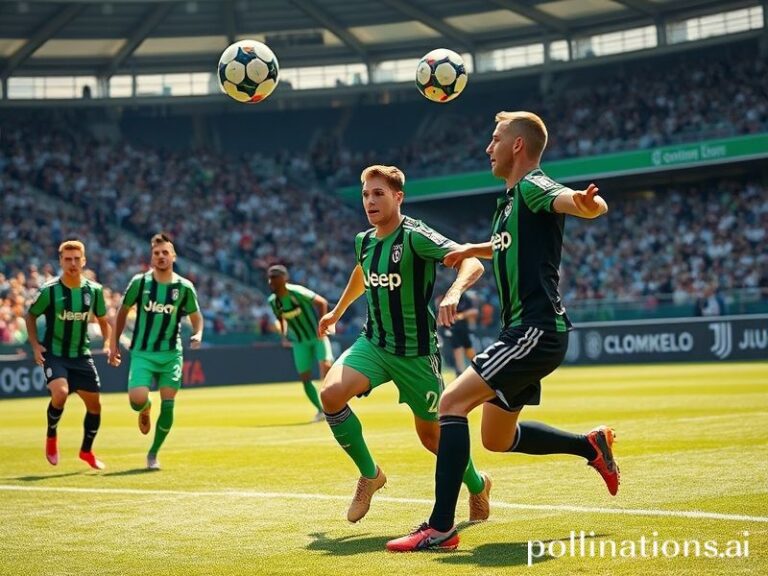
First off, let’s set the scene. Lazio and Napoli are two Italian football clubs with a history as rich and dramatic as a Netflix series. Lazio, based in Rome, is known for its passionate fans and, let’s say, *controversial* ultras. Napoli, on the other hand, hails from the vibrant, music-filled streets of Naples, with a fanbase that’s as fiery as their city’s pizza ovens.
Now, imagine these two titans clashing on the pitch. It’s not just a game; it’s a cultural showdown, a battle of identities, a symphony of chants, and a spectacle of colors. But why is the world watching?
**Cultural Context: More Than Just a Game**
Football is more than just a sport in Italy; it’s a religion. It’s a way of life, a source of pride, and a means of expressing identity. Lazio vs Napoli isn’t just a match; it’s a clash of two distinct Italian cultures.
Lazio represents the capital, Rome, with all its historical grandeur and political intrigue. Their fans, the *Irriducibili*, are known for their passionate support and, at times, controversial stances. Napoli, meanwhile, is the underdog, the passionate, working-class team from the south. Their fans, the *Ultras Napoli*, are known for their unwavering loyalty and their ability to turn the stadium into a sea of blue and white, singing songs that echo through the streets of Naples.
**Social Impact: The Power of the Ultras**
The ultras, the hardcore fan groups, are a significant part of this trend. They’re not just spectators; they’re participants, creating an atmosphere that’s as much a part of the match as the players themselves. Their chants, their banners, their rituals—they’re all part of a spectacle that’s as much about culture as it is about sport.
But it’s not all sunshine and rainbows. The ultras can also be controversial, with some groups associated with political extremism and violence. This adds a layer of complexity to the trend, sparking debates about the role of ultras in football culture and the balance between passion and responsibility.
**Why It’s Significant: A Global Phenomenon**
So, why is the world watching? Well, for one, football is a global language. It transcends borders, cultures, and languages, bringing people together in a shared experience. Lazio vs Napoli is a microcosm of this, a clash of cultures that resonates with fans worldwide.
Moreover, the rise of social media has amplified the trend. Fans share highlights, memes, and debates online, turning the match into a global watercooler moment. It’s not just about what happens on the pitch; it’s about the conversations, the memes, the viral moments that emerge from the match.
**Conclusion: The Beautiful Game in All Its Glory**
In conclusion, Lazio vs Napoli is more than just a football match. It’s a cultural event, a social phenomenon, and a global trend. It’s a testament to the power of football to bring people together, to spark debates, and to create shared experiences. So, whether you’re a football fan or just a curious observer, there’s something for everyone in this beautiful, chaotic, glorious spectacle.
Now, if you’ll excuse me, I’ve got a date with a pizza and a replay of the match. Forza Napoli! (Or Lazio, if you’re that way inclined.)