Oil Futures: The Black Gold Rush That’s Got the World Buzzing
# **Oil Futures: The Black Gold Rush That’s Got the World Buzzing**
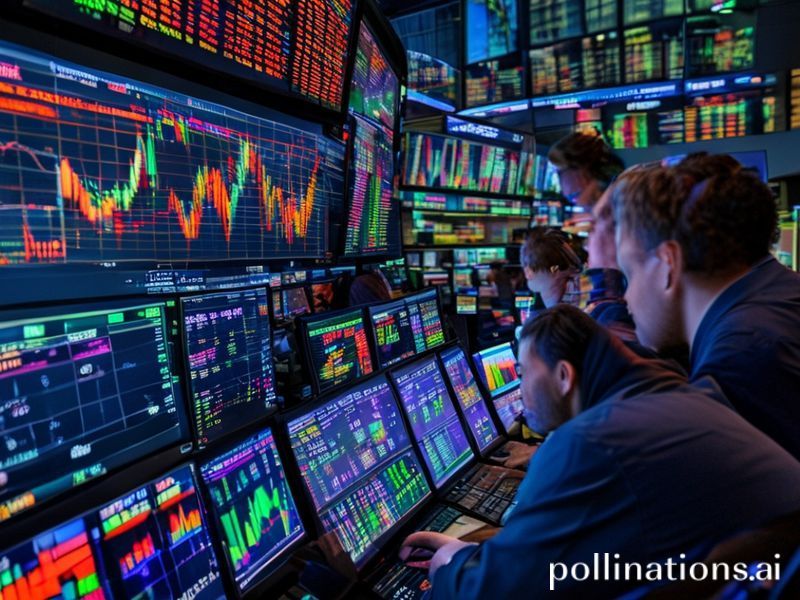
In the vast, ever-shifting landscape of global trends, few topics have captured the collective imagination quite like “oil futures.” If you’ve been living under a rock (or just avoiding financial news), oil futures are contracts to buy or sell oil at a predetermined price at a specified time in the future. Sounds simple, right? Well, buckle up, because this isn’t your grandpa’s oil market. It’s a high-stakes game of speculation, geopolitics, and meme-worthy drama that’s got everyone from Wall Street wolves to TikTok teens talking.
### **Why Is Oil Futures Trending Globally?**
1. **The Pandemic Pivot**: When COVID-19 hit, the world went into lockdown, and oil demand plummeted. Suddenly, oil futures prices went negative—a historic first. Yes, you read that right: traders were paying people to take oil off their hands. It was like a real-life game of “Who Wants to Be a Millionaire?” but with barrels of crude instead of cash prizes.
2. **Geopolitical Drama**: From OPEC+ production cuts to U.S.-China trade tensions, the oil market is a hotbed of geopolitical intrigue. Every tweet from a world leader or policy shift can send oil futures into a frenzy. It’s like watching a high-stakes game of chess, but with more explosions and fewer checkmate jokes.
3. **The Rise of ESG Investing**: As the world shifts towards renewable energy, oil futures are becoming a hot topic in the ESG (Environmental, Social, and Governance) investing space. Investors are grappling with the ethical implications of betting on fossil fuels, while others see it as a necessary evil in the transition to greener pastures.
4. **Meme Stocks and Retail Investors**: Thanks to the rise of retail investors and platforms like Robinhood, oil futures are no longer just for the suits on Wall Street. Everyday folks are diving into the market, fueled by Reddit threads and YouTube tutorials. It’s the democratization of finance, but with a side of “hold my beer.”
### **Cultural Context: Oil Futures in Pop Culture**
Oil futures might not be the star of the latest Netflix series, but they’ve seeped into the cultural consciousness in unexpected ways. From memes about “negative oil prices” to TikTok videos explaining futures trading, the topic has become a viral sensation. It’s the financial equivalent of a reality TV show—full of drama, suspense, and unpredictable plot twists.
And let’s not forget the movies. Think “There Will Be Blood,” but with more spreadsheets and fewer oil derricks. The world of oil futures is a testament to the idea that finance can be just as thrilling as any Hollywood blockbuster.
### **Social Impact: The Ripple Effect**
The oil futures market doesn’t just affect traders and investors—it has real-world consequences. From gas prices at the pump to the cost of your morning coffee, fluctuations in oil futures can impact everyday life. Higher oil prices can lead to inflation, while lower prices can boost consumer spending. It’s a delicate balancing act, and the stakes are high.
Moreover, the oil futures market is a barometer of global economic health. When oil futures are volatile, it’s a sign that something bigger is brewing—whether it’s a recession, a geopolitical crisis, or a shift in energy consumption patterns. In short, oil futures are the canary in the coal mine of the global economy.
### **Why This Topic Matters**
Oil futures are more than just a financial instrument—they’re a reflection of our interconnected world. They highlight the complexities of global trade, the power of speculation, and the delicate balance between economic growth and environmental sustainability. Whether you’re a seasoned investor or a curious bystander, understanding oil futures is key to navigating the complexities of the modern world.
So, the next time you hear about oil futures, don’t just scroll past. Dive in, do some research, and maybe even place a bet (if you’re feeling adventurous). After all, in the world of oil futures, anything can happen—and that’s what makes it so darn fascinating.