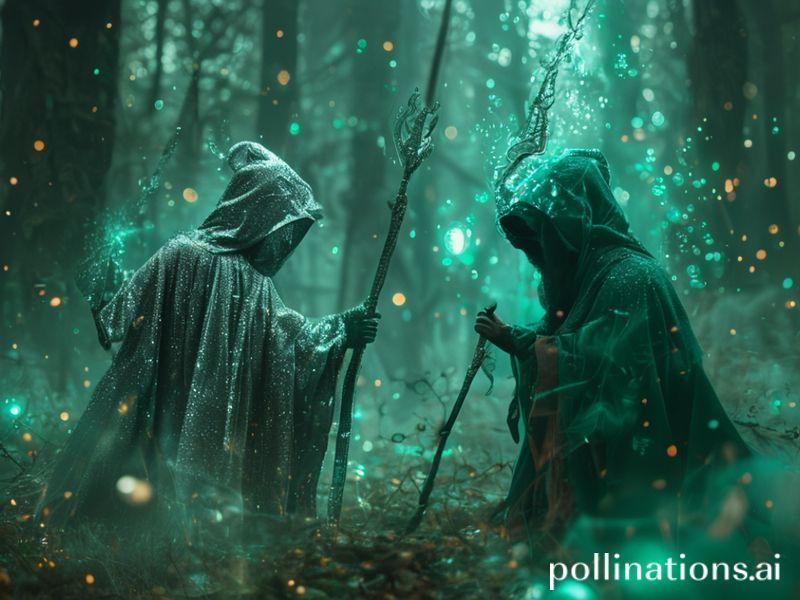
Magic vs Wizards: The Spellbinding Showdown Taking Over the Internet
In a world where memes spread faster than a dragon’s fire and debates rage hotter than a phoenix’s rebirth, the “magic vs wizards” trend has emerged as the latest battleground for internet warriors. But what’s fueling this magical mayhem, and why is everyone suddenly so invested in the age-old debate of raw, untamed magic versus the structured, wand-wielding wizardry?
The Cultural Context: A Clash of Myths and Magic
Magic and wizards have been staples of folklore, fantasy, and fiction for centuries. From the mystical spells of ancient shamans to the arcane arts of modern-day wizards, the idea of supernatural power has captivated human imagination. But the recent surge in “magic vs wizards” discourse can be traced back to a few key cultural touchpoints:
1. The Harry Potter Effect: J.K. Rowling’s wizarding world popularized the idea of wizards as a distinct, organized group with rules, schools, and societal structures. This set the stage for comparisons between wizards and the more chaotic, free-form magic seen in other franchises.
2. The Rise of Anime and Manga: Series like Naruto and One Piece introduced a different kind of magic—one that’s often tied to personal growth, natural abilities, or even curses. This raw, unstructured magic contrasts sharply with the disciplined wizardry of Western fantasy.
3. The Internet’s Love for Debates: The internet thrives on debates, and nothing gets people more riled up than a good ol’ fantasy showdown. Whether it’s Marvel vs. DC, Team Edward vs. Team Jacob, or now magic vs. wizards, the internet loves to pick sides and defend them with memes, GIFs, and passionate rants.
Social Impact: More Than Just a Meme
At first glance, the “magic vs. wizards” trend might seem like just another internet fad. But dig deeper, and you’ll find it’s a reflection of broader cultural conversations about structure vs. freedom, tradition vs. innovation, and even classism (looking at you, pure-blood wizards).
- The Appeal of Magic: Magic, in its purest form, is often seen as more democratic. It’s accessible, raw, and tied to individual power. Think of characters like Goku (Dragon Ball Z), who doesn’t need a wand or a spellbook to unleash his potential. Magic is about innate ability and personal growth, which resonates with a generation that values self-expression and individuality.
- The Allure of Wizards: On the other hand, wizards represent structure, discipline, and tradition. They’re part of a larger system, with rules, hierarchies, and institutions (hello, Hogwarts). This appeals to those who value order, expertise, and the idea that power comes from knowledge and training.
Why It Matters: The Battle for Fantasy Supremacy
The “magic vs. wizards” debate isn’t just about fantasy—it’s about identity. It’s a way for fans to explore their own values and preferences through the lens of their favorite characters and worlds. Are you Team Magic, believing in the power of raw, untamed potential? Or are you Team Wizard, valuing the wisdom and structure that comes with years of training?
Moreover, this trend highlights the internet’s role in shaping cultural narratives. What starts as a simple meme can evolve into a full-blown cultural phenomenon, sparking discussions, memes, and even real-world debates. It’s a testament to the power of fandom and the internet’s ability to turn niche topics into global conversations.
Conclusion: May the Best Side Win
Whether you’re Team Magic or Team Wizard, one thing is clear: this debate is far from over. As long as there are fantasy worlds to explore and memes to create, the battle between magic and wizards will rage on. So grab your wand (or your spellbook), pick your side, and may the best side win—or at least have the best memes.