Mercosur: The Trade Bloc That’s Got the World Talking (And Why You Should Care)
### **Mercosur: The Trade Bloc That’s Got the World Talking (And Why You Should Care)**
If you’ve been online lately, you might have stumbled upon the term “Mercosur” trending in news feeds, Twitter threads, and even meme pages. But what exactly is Mercosur, and why is it suddenly the talk of the global town? Buckle up, because we’re diving into the world of trade deals, political drama, and why this South American bloc is making waves far beyond its borders.
#### **What Is Mercosur, and Why Should You Care?**
Mercosur, or the Southern Common Market, is a trade bloc consisting of Argentina, Brazil, Paraguay, and Uruguay. Founded in 1991, it’s been quietly chugging along, promoting free trade and economic cooperation in South America. Think of it as the EU’s chill, laid-back cousin—minus the bureaucracy and drama (well, most of the time).
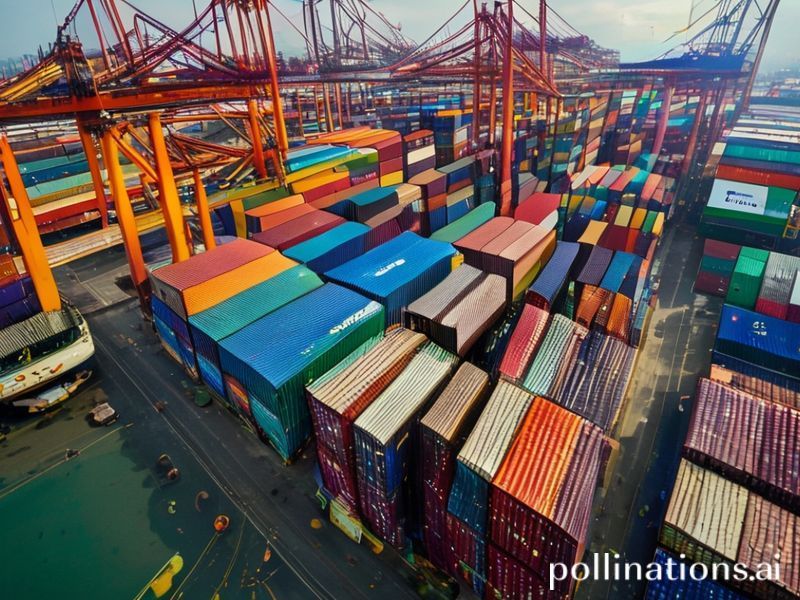
So, why is it trending now? Well, Mercosur has been in the spotlight recently due to its potential trade deal with the European Union. After 20 years of negotiations, the EU-Mercosur agreement was finally signed in 2019, but it’s been facing hurdles ever since. The deal promises to boost trade between the two regions, but it’s also sparked debates about environmental impact, labor rights, and political implications.
#### **Cultural Context: More Than Just a Trade Deal**
Mercosur isn’t just about numbers and economics; it’s a cultural and political statement. For years, South America has been navigating its identity in a globalized world, balancing economic growth with social and environmental responsibilities. Mercosur represents a united front for these nations, a symbol of regional cooperation and solidarity.
The EU-Mercosur deal, in particular, has become a lightning rod for these debates. Environmentalists argue that the deal could lead to deforestation in the Amazon, while economists praise it for opening up new markets. It’s a microcosm of the broader global conversation about trade, sustainability, and geopolitics.
#### **Social Impact: Who Wins and Who Loses?**
The social impact of Mercosur’s dealings is a mixed bag. On one hand, the agreement could create jobs, boost economies, and foster innovation. On the other hand, it could exacerbate existing inequalities and environmental issues.
For example, the EU-Mercosur deal has been criticized for potentially increasing beef exports from Brazil, which could lead to more deforestation in the Amazon. This has sparked protests and petitions, with activists calling for stricter environmental protections.
But it’s not all doom and gloom. The deal also offers opportunities for small businesses, entrepreneurs, and innovators to tap into new markets. It’s a classic case of “with great power comes great responsibility,” and how these nations navigate this deal will set a precedent for future trade agreements.
#### **Why Mercosur Matters Globally**
Mercosur’s significance extends far beyond South America. In an era of trade wars, protectionism, and geopolitical tensions, Mercosur represents a different approach—one of cooperation and mutual benefit. It’s a reminder that globalization isn’t just about big corporations and trade deals; it’s about people, cultures, and shared futures.
Moreover, Mercosur’s dealings highlight the interconnectedness of our world. What happens in the Amazon doesn’t stay in the Amazon; it affects global climate patterns, trade routes, and economic stability. Mercosur’s actions (or inactions) have ripple effects that reach far and wide.
#### **Conclusion: The Future of Mercosur**
As Mercosur continues to navigate its role in the global stage, one thing is clear: it’s a story worth following. Whether you’re a trade enthusiast, an environmental activist, or just someone who loves a good geopolitical drama, Mercosur offers a fascinating glimpse into the complexities of our interconnected world.
So, the next time you see Mercosur trending, don’t just scroll past. Dive in, explore the nuances, and join the conversation. After all, in today’s global village, we’re all neighbors, and what affects one, affects us all.
—