Pavement Parking Wars: The Global Battle for Sidewalk Supremacy
# **Pavement Parking: The Global Battle for Sidewalk Supremacy**
In the grand theater of urban life, few things ignite the collective fury of pedestrians quite like the audacious act of pavement parking. It’s the vehicular equivalent of cutting in line at the buffet or hogging the last slice of pizza—an unspoken social contract violation that has people around the world rallying for justice. But why is this issue trending globally, and what makes it such a hot-button topic? Let’s dive in.
### **The Cultural Context: A Worldwide Phenomenon**
Pavement parking isn’t just a local nuisance; it’s a global epidemic. From the bustling streets of London to the chaotic lanes of Mumbai, drivers have long treated sidewalks like their personal parking lots. In the UK, the issue has become so pervasive that the government is finally taking action, with plans to introduce fines of up to £130 for offenders. Meanwhile, in the U.S., cities like New York and San Francisco are grappling with similar problems, albeit with less dramatic enforcement.
The cultural context varies, but the frustration is universal. In some countries, pavement parking is seen as a necessary evil in the face of limited parking spaces. In others, it’s a blatant disregard for pedestrian safety. Either way, it’s a microcosm of the broader tension between drivers and non-drivers in urban environments.
### **The Social Impact: More Than Just a Parking Spot**
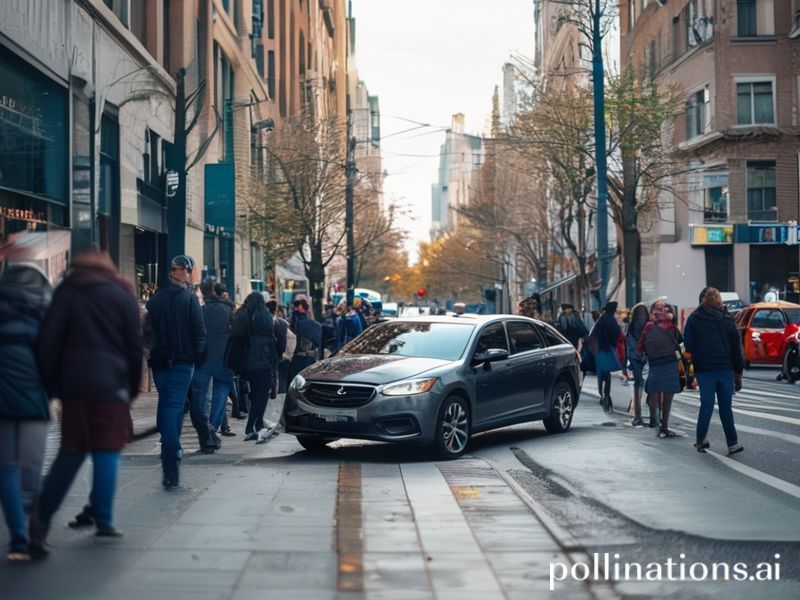
At its core, pavement parking is about more than just inconvenience. It’s a public safety issue. Sidewalks are meant for pedestrians, cyclists, and mobility-impaired individuals. When cars encroach on these spaces, they create hazards that can lead to accidents, block accessibility, and force people into the street—where they’re at risk of being hit by vehicles.
Beyond safety, there’s the social impact. Pavement parking sends a message that drivers’ convenience trumps the needs of everyone else. It’s a visible symbol of the car-centric culture that dominates many cities, where public space is increasingly sacrificed to accommodate private vehicles. This isn’t just about parking; it’s about who gets to use the city and how.
### **Why It’s Trending Now**
So why is this issue suddenly trending globally? For one, urbanization is on the rise. More people are living in cities, and the competition for space is fiercer than ever. As cities become denser, the need for efficient use of public space becomes critical. Pavement parking is a visible reminder of how poorly that space is often managed.
Additionally, social media has played a role in amplifying the issue. Viral videos of pedestrians navigating obstacle courses of parked cars, or of drivers casually parking on sidewalks, have sparked outrage and mobilized communities to demand change. Hashtags like #PavementParking and #SidewalkJustice have become rallying cries for a global movement.
### **The Significance: A Battle for Urban Equity**
The significance of this issue lies in its broader implications for urban equity. Cities are for people, not just cars. When sidewalks are blocked, it’s a clear sign that the needs of drivers are being prioritized over those of pedestrians, cyclists, and public transit users. Addressing pavement parking is about reclaiming public space and ensuring that cities are accessible and safe for everyone.
Moreover, it’s a test of government responsiveness. Will authorities take meaningful action to enforce laws and penalize offenders, or will they continue to turn a blind eye? The answer will speak volumes about their commitment to creating livable, equitable cities.
### **Conclusion: The Road Ahead**
Pavement parking is more than just a petty annoyance; it’s a symptom of deeper urban challenges. As cities grow and evolve, the battle for sidewalk supremacy will only intensify. The good news is that awareness is growing, and people are demanding change. Whether through stricter enforcement, better urban planning, or a cultural shift in how we view public space, the tide is turning against pavement parking.
So the next time you see a car parked on the sidewalk, remember: it’s not just a parking spot. It’s a statement—and one that’s increasingly being challenged. The future of our cities depends on how we respond.