Why the Eiffel Tower is Still the Internet’s Favorite Iron Lady
**The Eiffel Tower: Why the Iron Lady is Still the Internet’s Darling**
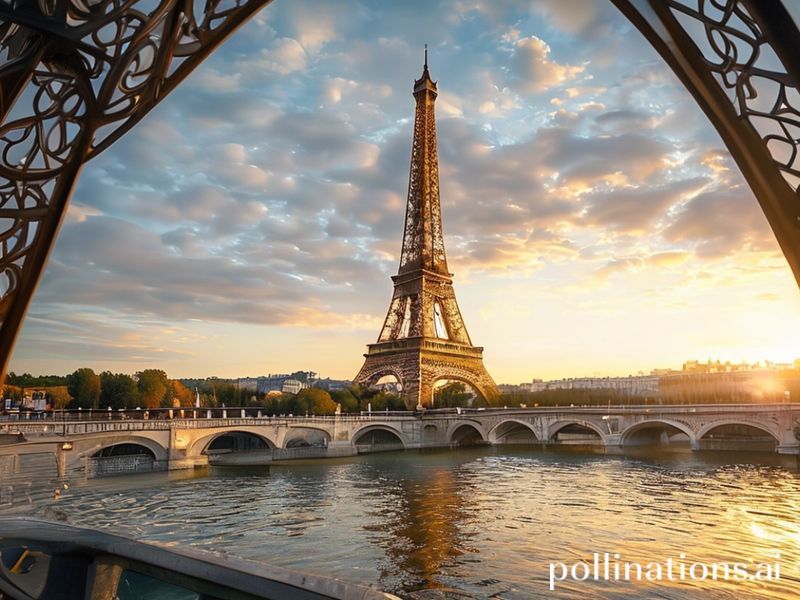
Oh, the Eiffel Tower, that wrought-iron sweetheart of Paris, is once again stealing the global spotlight. But why, you ask, is this 134-year-old latticework lovebird trending harder than a viral dance challenge? Let’s dive in, shall we?
**A Brief History, Because Context is Key**
First, a quick history lesson. The Eiffel Tower was built in 1889 for the World’s Fair, a grand expo showcasing the wonders of the industrial age. Designed by Gustave Eiffel, it was initially criticized by the artsy crowd as a “useless” eyesore. But, much like the internet’s love for a good comeback story, the Tower’s star has only risen since then. It’s now the most-visited paid monument in the world, with nearly 7 million visitors annually.
**Cultural Context: The Iron Lady’s Global Charm**
The Eiffel Tower is more than just a tower; it’s a symbol of romance, art, and French culture. It’s been featured in countless films, from the romantic (“Amélie”) to the action-packed (“Mission: Impossible”). It’s been the backdrop for countless proposals, selfies, and even a few dramatic scenes in “The Da Vinci Code.”
But why is it trending now? Well, the Tower’s recent glow-up on social media has a lot to do with it. The Eiffel Tower’s official social media accounts have been serving up some serious content, from stunning drone footage to behind-the-scenes looks at the Tower’s maintenance. And let’s not forget the countless influencers and tourists who can’t resist sharing their Tower selfies.
**Social Impact: The Tower’s Digital Footprint**
The Eiffel Tower’s social media presence is a masterclass in digital engagement. It’s not just about the pretty pictures; it’s about the stories they tell. The Tower’s accounts share historical tidbits, fun facts, and even interactive content, like the chance to “virtually” climb the Tower. This approach has helped the Tower connect with a global audience, making it more than just a physical landmark—it’s a digital one too.
Moreover, the Tower has become a symbol of resilience and hope. In 2015, it stood illuminated in the colors of the French flag following the tragic attacks in Paris. In 2020, it was one of the first landmarks to go dark to honor COVID-19 victims. These moments have cemented the Tower’s place in our collective consciousness, making it more than just a tourist attraction—it’s a beacon of unity and remembrance.
**Why It’s Significant: The Tower’s Timeless Appeal**
So, why does the Eiffel Tower continue to captivate us? It’s simple: the Tower is a testament to human ingenuity and creativity. It’s a reminder that even the most criticized creations can become beloved icons. It’s a symbol of love, art, and French culture. And, let’s face it, it’s just really, really photogenic.
In an increasingly digital world, the Eiffel Tower reminds us of the power of physical landmarks. It’s a place where people from all over the world can come together, share experiences, and create memories. It’s a symbol of our shared humanity, and that’s why it’s trending now more than ever.
**Conclusion: The Tower’s Star Will Never Fade**
The Eiffel Tower’s global trendiness is a testament to its timeless appeal. It’s more than just a tower; it’s a symbol of romance, art, and French culture. It’s a beacon of unity and remembrance. And, of course, it’s a damn good selfie spot. So, here’s to the Eiffel Tower—the iron lady of Paris, the internet’s darling, and a symbol that will continue to captivate us for generations to come.