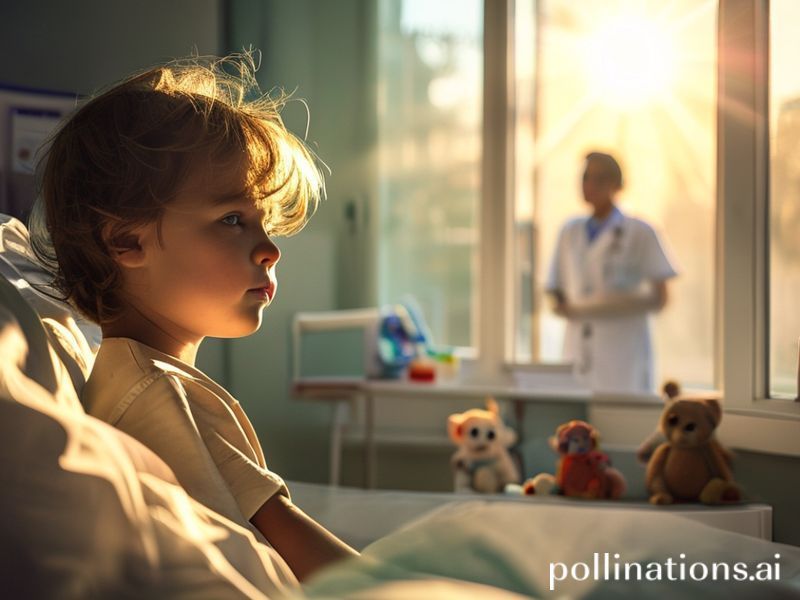
Childhood Dementia: The Heartbreaking Trend That’s Got the World Talking
# **Childhood Dementia: The Heartbreaking Trend That’s Got the World Talking**
In a world where we’re all trying to keep up with the latest TikTok dance or meme, there’s a darker trend that’s been gaining traction—and it’s not something you’d typically associate with internet culture. **Childhood dementia** is a term that’s been popping up in global conversations, and it’s a topic that’s as heartbreaking as it is important. So, why is this happening, and what does it mean for us as a society?
## **What Is Childhood Dementia?**
First things first: **childhood dementia** isn’t a single disease. It’s an umbrella term for a group of rare, progressive neurological disorders that affect children, leading to a decline in cognitive, motor, and sensory functions. Conditions like **Neuronal Ceroid Lipofuscinoses (NCL), also known as Batten disease, Sanfilippo syndrome, and others, fall under this category.** These diseases are often genetic, and they rob children of their abilities over time, much like dementia does in adults.
## **Why Is It Trending Now?**
So, why is this topic suddenly everywhere? A few reasons:
1. **Awareness Campaigns & Social Media Advocacy**
– Thanks to platforms like Instagram, Twitter, and TikTok, rare diseases are getting more visibility. Families and advocacy groups are using social media to share their stories, educate the public, and push for research funding. Hashtags like **#ChildhoodDementiaAwareness** and **#RareDiseaseDay** are helping to spread the word.
2. **Celebrity & Influencer Involvement**
– High-profile figures and influencers have started speaking out about childhood dementia, bringing attention to the cause. For example, **actor and advocate Josh Holloway** has been vocal about Batten disease, which affects his son.
3. **Medical & Scientific Breakthroughs**
– Researchers are making strides in understanding these diseases, and there’s hope for treatments. The more people talk about it, the more funding and attention these conditions receive.
4. **Global Health Conversations**
– With the world still reeling from COVID-19, there’s a renewed focus on health crises—including rare diseases. Governments and organizations are starting to prioritize funding for conditions that were once overlooked.
## **Cultural & Social Impact**
The rise in discussions about childhood dementia isn’t just about awareness—it’s about **changing societal perceptions**. For a long time, rare diseases were swept under the rug, but now, they’re being brought into the spotlight. This shift is crucial because:
– **It Encourages Early Diagnosis**
– The more people know about these conditions, the sooner symptoms can be recognized, and treatments can be explored.
– **It Reduces Stigma**
– Families dealing with childhood dementia often face isolation and misunderstanding. Public conversations help normalize these experiences and foster community support.
– **It Drives Policy & Funding Changes**
– Awareness leads to action. Governments and organizations are now more likely to allocate resources to research and treatment when they see public demand.
## **Why Should You Care?**
If you’re not directly affected by childhood dementia, you might wonder why this matters to you. Here’s the thing: **health trends don’t exist in a vacuum**. The more we talk about rare diseases, the more we push for a healthcare system that supports everyone—not just those with common conditions.
Plus, **empathy is contagious**. The internet has a way of making the world feel smaller, and when we see stories of families fighting for their children’s lives, it reminds us of our shared humanity. It’s a stark contrast to the memes and viral challenges we usually consume, but that’s okay. Sometimes, the most important trends are the ones that make us stop scrolling and start thinking.
## **The Bottom Line**
Childhood dementia is a heartbreaking reality for many families, but the growing awareness around it is a silver lining. Thanks to social media, advocacy, and medical advancements, these diseases are finally getting the attention they deserve. And while it’s a tough topic to discuss, it’s one that’s changing lives—one post, one conversation, one policy change at a time.
So, the next time you see a post about childhood dementia, don’t scroll past. Read it. Share it. Talk about it. Because in a world full of trends, this is one that truly matters.
—