Frisco ISD Bomb Threats: When Swatting Goes to School and the Internet Loses Its Mind
**Frisco ISD Bomb Threats: When Swatting Goes to School**
Alright, folks, buckle up because we’re diving into a trend that’s as alarming as it is baffling: the recent wave of bomb threats targeting Frisco Independent School District (ISD) in Texas. If you’ve been living under a rock (or just avoiding the news, which, fair), let me catch you up. Over the past few weeks, Frisco ISD has been hit with a barrage of bomb threats, causing evacuations, panic, and a whole lot of headaches for students, parents, and school officials. But why is this trending globally, and what’s the deal with these threats? Let’s break it down.
**The Basics: What’s Happening in Frisco?**
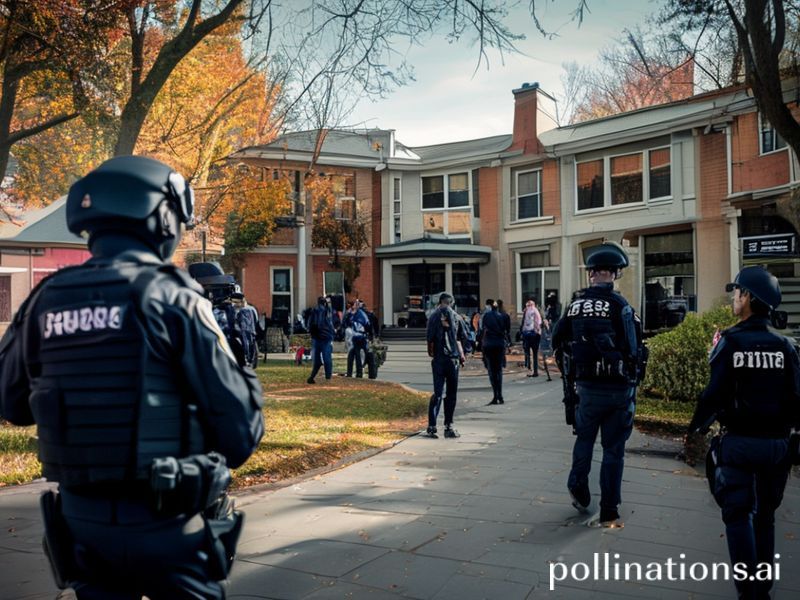
Frisco ISD, a school district in the Dallas-Fort Worth metroplex, has been the target of multiple bomb threats since early October. These threats have led to the evacuation of several schools, disrupted learning, and left everyone on edge. The threats have been made via phone calls, emails, and even social media, with perpetrators often using spoofed numbers or anonymous accounts to avoid detection.
**Why Is This Trending Globally?**
1. **The Swatting Phenomenon**: The Frisco ISD bomb threats are part of a larger trend known as “swatting.” Swatting is when someone makes a false report of a serious crime, like a bomb threat or hostage situation, to provoke a large police response, typically a SWAT team. This isn’t just a Frisco problem; it’s a global issue that’s been making headlines for years. The recent surge in Frisco has put a spotlight on the trend, sparking conversations about its impact and how to combat it.
2. **The Internet’s Role**: The internet has given people the power to cause chaos from behind a screen. Anonymous forums, social media platforms, and encrypted messaging apps have made it easier for perpetrators to coordinate and execute these threats. The global nature of the internet means that trends like swatting can spread quickly, capturing the attention of people worldwide.
3. **The Cultural Context**: The Frisco ISD bomb threats have also sparked discussions about school safety, mental health, and the impact of these threats on students and educators. In a post-Columbine, post-Parkland world, any threat to school safety is taken extremely seriously. The Frisco threats have reignited debates about how to balance safety with the need to avoid unnecessary panic.
**The Social Impact**
The social impact of these threats is significant. For starters, they disrupt the learning environment, causing stress and anxiety for students and staff. The constant threat of evacuation can make it difficult for students to focus on their studies and for teachers to deliver effective instruction.
Moreover, these threats can have long-lasting psychological effects. Students may develop a heightened sense of fear or anxiety about attending school, which can impact their mental health and academic performance. For educators, the constant threat of violence can lead to burnout and job dissatisfaction.
**Why This Topic Is Significant**
The Frisco ISD bomb threats are significant for several reasons. First, they highlight the growing problem of swatting and the need for law enforcement and policymakers to address this issue. Second, they underscore the importance of school safety and the need for comprehensive mental health support for students and educators. Finally, they serve as a reminder of the power of the internet and the potential for harm when that power is misused.
**Conclusion**
The Frisco ISD bomb threats are a stark reminder of the challenges we face in the digital age. They highlight the need for vigilance, the importance of mental health support, and the urgency of addressing the growing problem of swatting. As the world continues to grapple with these issues, it’s crucial that we come together to find solutions that prioritize safety, well-being, and the future of our students.
So, let’s keep the conversation going. Share your thoughts, stay informed, and most importantly, stay safe. And remember, if you see something, say something. But maybe don’t swat. That’s just bad form.