Brian May’s Glastonbury Stance: The Meme That Captured the World’s Imagination
# **Brian May’s Glastonbury Stance: When a Rock Legend Becomes a Meme King**
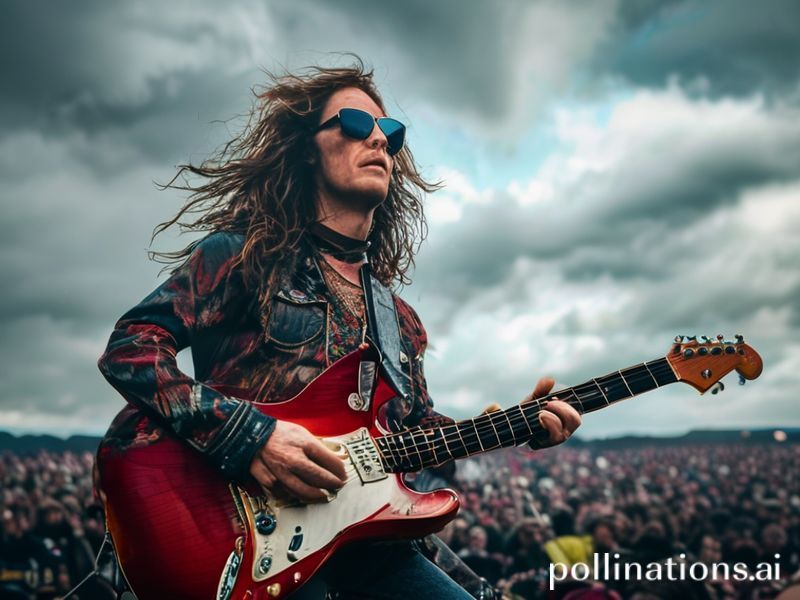
In the vast, unpredictable landscape of internet culture, few things capture the global imagination quite like an unexpected moment of pure, unadulterated rock ‘n’ roll rebellion. Enter Brian May, the legendary Queen guitarist, who recently stole the spotlight at Glastonbury Festival—not for his guitar solos, but for his defiant stance against a rain-soaked crowd. The image of May, arms crossed, standing resolute in the downpour, has become an internet sensation, sparking memes, debates, and even a few philosophical musings on the nature of perseverance.
### **The Cultural Context: Glastonbury and the Power of a Single Image**
Glastonbury Festival, the UK’s most iconic music event, is known for its mud, its rain, and its ability to bring together generations of music lovers in a celebration of artistry and community. This year, however, the festival was hit by torrential rain, turning the fields into a muddy battleground. Amidst the chaos, Brian May took the stage, and in a moment that would soon go viral, he stood firm, arms crossed, as if daring the elements to do their worst.
The image of May, soaked but unbowed, resonated with people worldwide. It was a visual metaphor for resilience, a silent protest against the whims of nature, and a reminder that even rock legends can be relatable in their stubbornness. The internet, ever eager to latch onto a moment of cultural significance, quickly turned May’s stance into a meme, a symbol of defiance, and a source of endless humor.
### **The Social Impact: Why This Moment Matters**
The power of this moment lies in its simplicity. In an era dominated by fast-paced, high-stakes content, the image of Brian May standing in the rain is a rare example of a viral moment that doesn’t rely on shock value or controversy. Instead, it taps into something universal: the human desire to persevere in the face of adversity.
Social media platforms like Twitter and Instagram were flooded with memes and edits of May’s stance, each one adding a new layer of humor or commentary. Some users superimposed May into other iconic moments of defiance, like Rosa Parks refusing to give up her seat or Winston Churchill’s famous “We shall fight on the beaches” speech. Others used the image to poke fun at their own struggles, from dealing with a bad hair day to surviving a particularly grueling work meeting.
Beyond the memes, however, the moment also sparked a broader conversation about the role of music festivals in our lives. Glastonbury, like many large-scale events, is as much about the shared experience as it is about the music. The rain, the mud, and the occasional chaos are all part of the experience, and May’s stance became a symbol of that shared resilience.
### **What Makes This Topic Significant?**
At its core, the Brian May Glastonbury stance is significant because it captures the essence of internet culture in 2024: a blend of humor, nostalgia, and a deep-seated desire to find meaning in the mundane. It’s a reminder that even in a world dominated by algorithms and viral trends, there’s still room for genuine, unscripted moments of connection.
Moreover, the moment highlights the enduring power of rock ‘n’ roll. Brian May, a man who has spent decades entertaining millions, became a meme not because of his music, but because of his attitude. It’s a testament to the timeless appeal of rock stars—figures who, even in their later years, can still capture the imagination of a global audience.
### **Conclusion: A Stance for the Ages**
As the memes continue to roll in and the debates rage on, one thing is clear: Brian May’s Glastonbury stance is more than just a viral moment. It’s a cultural touchstone, a symbol of resilience, and a reminder that sometimes, the most powerful statements are made without saying a word. So here’s to Brian May, the meme king of Glastonbury, and to the internet’s endless capacity to find meaning in the most unexpected places.