Polar Vortex Panic: Why the World is Freaking Out Over a Chilly Swirl
# **Polar Vortex Panic: Why the World is Freaking Out Over a Chilly Swirl**
Ah, the polar vortex—science’s way of reminding us that Mother Nature still holds all the cards. This winter, the term “polar vortex forecast” has been trending globally, sparking memes, panic, and a collective shiver across social media. But why is everyone so obsessed with this icy phenomenon? Let’s dive in.
## **What’s a Polar Vortex, Anyway?**
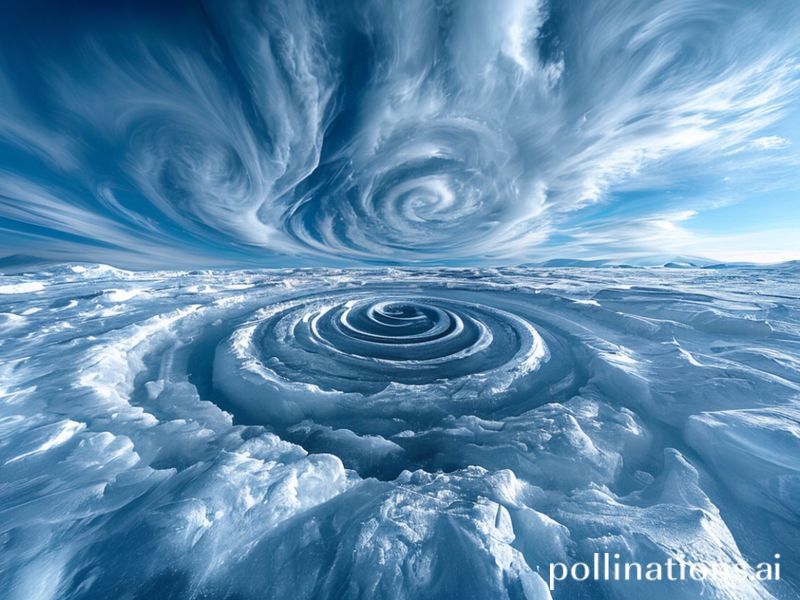
For the uninitiated, a polar vortex isn’t some new Netflix series or a viral dance challenge. It’s a large-scale weather pattern where a low-pressure zone forms over the polar regions, trapping cold air. When this vortex weakens or shifts, it can send frigid air southward, turning otherwise mild winters into full-blown Arctic nightmares. Think of it as the weather equivalent of your ex showing up unannounced—unexpected, disruptive, and leaving everyone freezing.
## **Why Is It Trending Globally?**
### **1. Social Media Hype**
Thanks to platforms like Twitter, TikTok, and Instagram, weather events now go viral faster than a celebrity scandal. The polar vortex forecast has become a hot topic, with users sharing everything from dramatic temperature drops to hilarious attempts at staying warm. Memes about “polar vortex survival kits” (spoiler: it’s just a blanket fort with extra blankets) have flooded feeds, making the phenomenon feel both relatable and entertaining.
### **2. Extreme Weather = Extreme Reactions**
The polar vortex isn’t just a minor inconvenience—it’s a full-blown weather drama. Schools close, flights get canceled, and people stock up on hot cocoa like it’s the apocalypse. The sheer scale of disruption makes it newsworthy, and the internet loves a good disaster story (as long as it’s not happening to them, of course).
### **3. Climate Change Anxiety**
Let’s be real—everyone’s a little paranoid about climate change these days. The polar vortex has become a lightning rod for discussions about how our warming planet might be messing with weather patterns. While scientists are still debating the exact link, the public is connecting the dots, and the polar vortex has become a symbol of our uncertain climate future.
## **Cultural Impact: From Memes to Misinformation**
The polar vortex has inspired a wave of internet culture, from memes about “vortex survival” to TikTok challenges where people attempt to stay outside for as long as possible (spoiler: it’s not long). But with viral trends come viral misinformation. Some people believe the polar vortex is a new phenomenon, while others think it’s a direct result of climate change. The truth? It’s a natural occurrence, but its intensity and frequency might be influenced by global warming.
## **Social Impact: More Than Just a Cold Snap**
Beyond the memes and panic, the polar vortex has real-world consequences. It strains infrastructure, disrupts daily life, and can even be dangerous for vulnerable populations. Homeless shelters see an influx of people seeking warmth, and utility companies work overtime to keep the lights on. The polar vortex isn’t just a trending topic—it’s a reminder of how interconnected our lives are with the environment.
## **Why Should You Care?**
If you’re not in the path of the polar vortex, you might be thinking, “Why should I care?” Well, for starters, extreme weather events are becoming more common, and understanding them helps us prepare. Plus, the polar vortex is a great conversation starter—whether you’re bonding over shared misery or laughing at the absurdity of it all.
## **Conclusion: Embrace the Chill**
The polar vortex might be a pain, but it’s also a reminder of the beauty and unpredictability of our planet. So, bundle up, laugh at the memes, and maybe—just maybe—appreciate the fact that you’re not a penguin. After all, if a polar vortex can go viral, anything can.