Snow Squall Warnings: The Winter Weather Trend That’s Blowing Up the Internet
# **Snow Squall Warnings: The Winter Weather Phenomenon That’s Blowing Up the Internet**
If you’ve been on the internet lately, you might have stumbled upon the term “snow squall warning” trending across social media, news outlets, and even in your grandma’s group chat. But what exactly is a snow squall, and why is everyone suddenly talking about it? Let’s dive into this winter weather phenomenon that’s causing a stir—and maybe even a few shivers.
### **What Is a Snow Squall?**
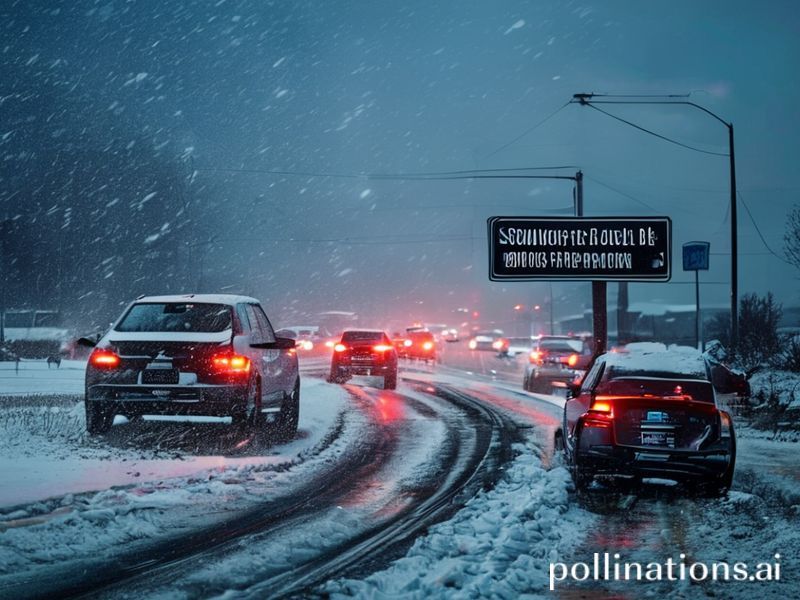
A snow squall is a sudden, heavy snow shower accompanied by blowing snow and strong, gusty winds. Unlike a full-blown blizzard, which lasts for hours or even days, a snow squall is a short-lived but intense burst of winter weather. These squalls can reduce visibility to near zero in a matter of minutes, creating hazardous driving conditions and making it feel like you’ve stepped into a scene from *The Shining*—minus the creepy twins.
The National Weather Service (NWS) issues snow squall warnings to alert the public when these sudden snowstorms are expected. These warnings are relatively new, introduced in 2018, but they’ve gained traction as people realize just how dangerous these squalls can be.
### **Why Is It Trending Globally?**
So, why is everyone suddenly obsessed with snow squalls? A few reasons:
1. **Viral Videos and Memes**: The internet loves a good weather drama. Videos of cars skidding, people walking into walls, and snow squalls turning streets into whiteout zones have gone viral, sparking memes and discussions. Who doesn’t love a bit of chaos, right?
2. **Social Media Hype**: Platforms like Twitter and TikTok have amplified the trend, with users sharing their snow squall experiences, warnings, and even humorous takes on the phenomenon. The hashtag #SnowSquall has become a hub for all things winter weather-related.
3. **Climate Change Conversations**: As climate change continues to dominate global discussions, extreme weather events—including snow squalls—are getting more attention. People are curious about how these events fit into the bigger picture of shifting weather patterns.
4. **Unexpected Danger**: Unlike blizzards, which are predictable and often prepared for, snow squalls can catch people off guard. The suddenness of these events has made them a hot topic, as people share stories of near-misses and close calls.
### **Cultural Impact and Social Significance**
Snow squall warnings have become more than just weather alerts—they’ve become cultural moments. Here’s how:
– **Safety Awareness**: The warnings have sparked important conversations about winter safety, reminding people to be cautious when driving or walking in snowy conditions. It’s a gentle nudge to bundle up and maybe skip that last-minute coffee run when the skies turn ominous.
– **Internet Humor**: From memes about “squall squads” to jokes about how snow squalls are just winter’s way of saying “surprise,” the internet has turned this weather phenomenon into a source of entertainment. Who knew snow could be this funny?
– **Global Reach**: While snow squalls are most common in North America, the trend has spread globally, with people in Europe and Asia sharing their own winter weather stories. It’s a reminder that, no matter where you are, extreme weather can bring us together (or at least give us something to talk about).
### **Why Should You Care?**
If you live in an area that experiences winter weather, snow squall warnings are your new best friend. They’re a heads-up to slow down, stay alert, and maybe postpone that road trip until the skies clear. Even if you’re not a fan of snow, understanding these warnings can help you stay safe and avoid becoming the star of a viral “snow squall fail” video.
### **Conclusion**
Snow squall warnings might seem like just another weather alert, but they’ve become a cultural phenomenon, sparking conversations, memes, and a renewed appreciation for winter safety. Whether you’re a weather enthusiast, a meme lover, or just someone who enjoys a good snow day, snow squalls are here to stay—and they’re definitely worth talking about.
So, the next time you see a snow squall warning, don’t just groan and reach for your umbrella. Embrace the moment, share a meme, and maybe—just maybe—stay inside where it’s warm.