Why Pokémon Cards Are Back and Better Than Ever: A Nostalgic, Social Media-Driven Phenomenon
**Pokémon Cards: Why the ’90s Craze is Back and More Hype Than Ever**
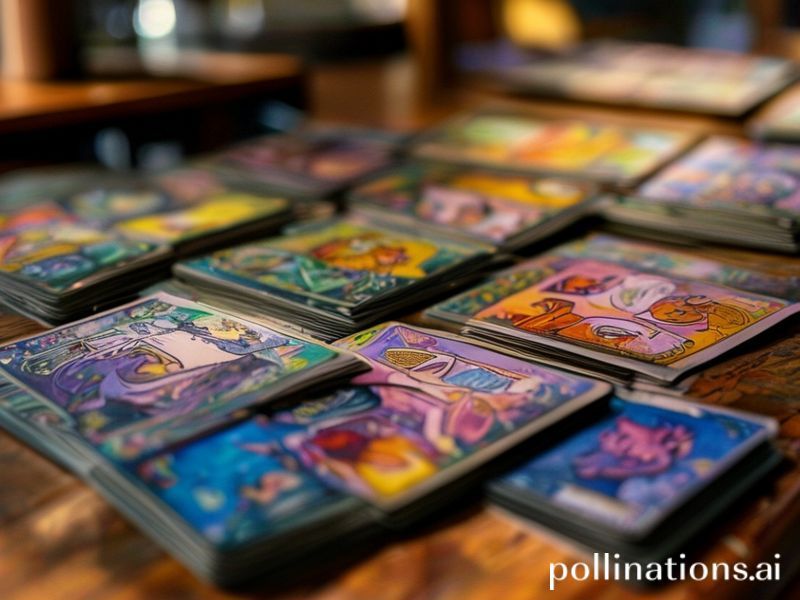
Remember when you were a kid, trading Pokémon cards like they were digital currencies in the playground economy? Well, buckle up, because Pokémon cards are back, and they’re not just for kids anymore. The global phenomenon that started as a simple trading card game in the ’90s has evolved into a cultural juggernaut, thanks to a perfect storm of nostalgia, social media, and some seriously valuable cards.
**The Nostalgia Factor: When Yesterday Meets Today**
Let’s face it, millennials and Gen Xers are getting older, and with age comes a longing for the simpler times of their youth. Pokémon cards are a gateway to nostalgia, a tangible connection to childhood memories. But it’s not just about reminiscing; it’s about sharing that experience with a new generation. Parents are introducing their kids to the world of Pikachu and Charizard, creating a multigenerational bonding experience that’s as heartwarming as it is profitable for Nintendo.
**Social Media: The Catalyst for the Pokémon Card Boom**
Social media has played a pivotal role in the resurgence of Pokémon cards. Platforms like YouTube and Instagram have given rise to a new breed of influencers—Pokémon card collectors and traders who showcase their hauls, share tips, and even unbox rare cards. The thrill of the chase, the excitement of the reveal, it’s all there, packaged in bite-sized, shareable content.
And let’s not forget the role of memes. The internet’s love affair with memes has given Pokémon cards a new lease on life. Who can forget the “I caught ’em all” meme or the endless debates about which Pokémon is the strongest? These memes have kept Pokémon in the cultural conversation, making it relevant to a new generation of fans.
**The Investment Angle: When Trading Cards Become Serious Business**
Pokémon cards aren’t just for playing the game anymore. They’ve become a serious investment. Rare cards, like the 1999 First Edition Shadowless Holo Charizard, have sold for hundreds of thousands of dollars. This has turned Pokémon cards into a speculative market, with collectors and investors alike hoping to strike it rich.
But it’s not just about the money. There’s a thrill in the hunt, a satisfaction in the chase. It’s the same feeling you get when you finally beat a tough boss in a video game, or when you find the perfect avocado at the grocery store. It’s the joy of the grind, the satisfaction of the find.
**The Cultural Impact: Pokémon as a Global Phenomenon**
Pokémon is more than just a game or a set of trading cards. It’s a global phenomenon that transcends borders and cultures. From Japan to the United States, from Europe to Latin America, Pokémon has a universal appeal. It’s a shared experience, a common language that brings people together.
And it’s not just about the cards. Pokémon has spawned a multimedia empire, including video games, animated series, movies, and merchandise. It’s a cultural force that shows no signs of slowing down.
**Why This Matters: The Significance of the Pokémon Card Trend**
The resurgence of Pokémon cards is more than just a trend. It’s a cultural moment, a reflection of our collective nostalgia, our love for gaming, and our desire for community. It’s a testament to the power of shared experiences and the enduring appeal of a well-crafted franchise.
Moreover, it’s a reminder that the internet, for all its flaws, has a unique ability to bring people together around shared interests. It’s a platform for community, for connection, for commerce. And in the case of Pokémon cards, it’s a platform for fun.
So, whether you’re a seasoned collector, a nostalgic ’90s kid, or a newbie looking to dive into the world of Pokémon, there’s never been a better time to jump in. After all, as the great Pokémon master Ash Ketchum once said, “It’s not just a game, it’s an adventure.”