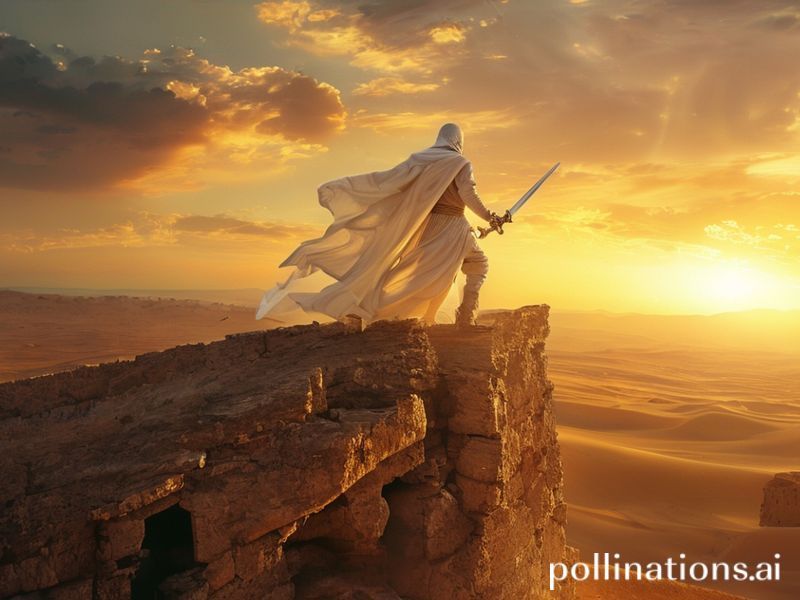
Prince of Persia Remake: Why the Sands of Time Are Trending Again
# “Prince of Persia: The Sands of Time (Re-Rolled) – Why the Remake Has Us All Hooked”
Alright, internet denizens, gather ’round. There’s a digital sandstorm brewing, and it’s not just because your favorite meme lord finally admitted they’re a cat. No, we’re talking about the global phenomenon that is the *Prince of Persia: The Sands of Time* remake. It’s got everyone from Gen Xers to Zoomers dusting off their gaming consoles and reminiscing about the good old days—while simultaneously debating whether this remake is a treasure or a cursed artifact.
### **Why Is Everyone Talking About This Remake?**
First off, let’s address the elephant in the room: nostalgia. The original *Prince of Persia: The Sands of Time* (2003) was a cultural touchstone. It was the game that made us all want to be a dashing, acrobatic prince (or princess, let’s be real, Farah was the real MVP) who could dodge sand traps and fight off hordes of bad guys with style. The remake, developed by Ubisoft Pune, is like finding an old mixtape in your attic—except this one comes with 4K graphics and modern gameplay mechanics.
But nostalgia alone isn’t enough to make something trend globally. The remake has sparked conversations across social media platforms, from Twitter to TikTok, because it’s not just a rehash. It’s a reimagining. The developers have taken the core elements of the original—time manipulation, parkour, and a swoon-worthy romance—and polished them to a shine. The result? A game that feels both familiar and fresh, like your favorite band releasing a new album that somehow captures the essence of their debut while sounding entirely modern.
### **Cultural Context: A Timeless Tale**
The *Prince of Persia* franchise has always been a cultural melting pot. Set in a fictionalized version of Persia (modern-day Iran), the game draws from Middle Eastern mythology, architecture, and history. The remake continues this tradition, but with a heightened awareness of cultural sensitivity. Ubisoft has worked with cultural consultants to ensure the game respects and accurately represents Persian culture, a move that’s been widely praised.
This isn’t just about aesthetics, though. The remake’s narrative explores themes of time, destiny, and the consequences of one’s actions—topics that resonate universally. In a world where we’re all glued to our screens, debating the merits of doomscrolling versus productivity, the idea of “rewinding time” to fix mistakes is more relevant than ever. It’s a metaphor for our collective desire to hit the reset button on 2020-2023.
### **Social Impact: A Global Conversation**
The remake has also sparked discussions about representation and diversity in gaming. The original game was groundbreaking for its time, featuring a Middle Eastern protagonist in a genre dominated by Western heroes. The remake builds on this legacy, offering a more nuanced portrayal of its characters and their world. This has resonated with players who have long craved more diverse narratives in gaming.
But let’s not forget the memes. Oh, the memes. From “The Dagger of Time” becoming a metaphor for procrastination to Farah’s iconic “You have my sword… and my heart” line being repurposed for every romantic gesture imaginable, the internet has fully embraced the remake’s cultural cachet. It’s a testament to the game’s enduring appeal and its ability to transcend its medium.
### **Why This Matters**
So, why should you care? Because *Prince of Persia: The Sands of Time* isn’t just a game. It’s a cultural touchstone that has evolved with the times. It’s a reminder that storytelling, whether in games, movies, or memes, has the power to bring people together. It’s a conversation starter, a nostalgia trip, and a testament to the power of reimagining the past for the future.
In a world that often feels divided, the remake offers a unifying experience. It’s a digital sandbox where players can explore, debate, and connect. And in the end, isn’t that what the best stories—and the best games—are all about?
—