Fear Factor: House of Fear – Why the World is Freaking Out (In a Good Way)
**Fear Factor: House of Fear – Why the World is Freaking Out (In a Good Way)**
Alright, folks, buckle up! We’re diving headfirst into the spooky, the eerie, and the downright terrifying world of *Fear Factor: House of Fear*. If you’ve been living under a rock (or just avoiding social media), this global phenomenon has taken the internet by storm. But why? Let’s break it down, shall we?
### **What’s All the Fuss About?**
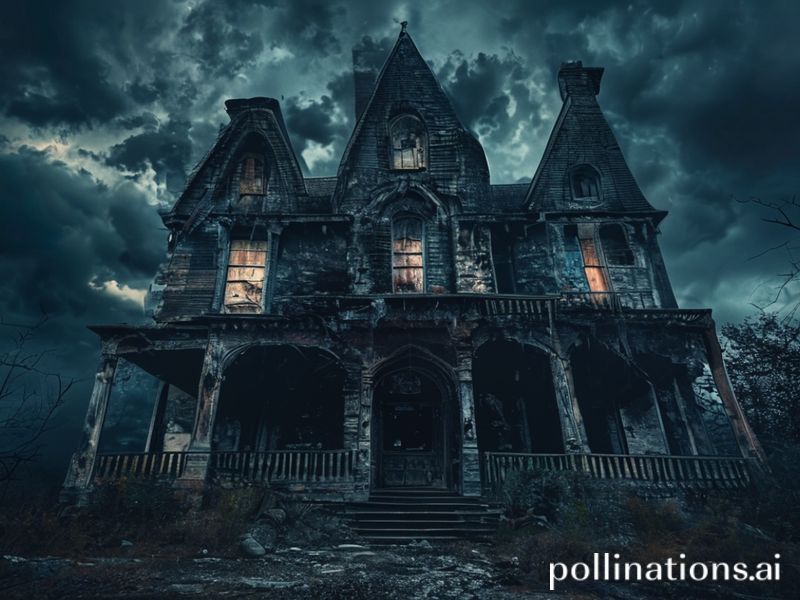
*Fear Factor: House of Fear* is the latest iteration of the classic reality TV show *Fear Factor*, but with a twist. This time, contestants are locked in a haunted house filled with terrifying challenges, creepy creatures, and psychological horrors. Think of it as *American Horror Story* meets *Survivor*, with a dash of *The Conjuring* for good measure. The show has become a viral sensation, with clips and highlights flooding TikTok, Twitter, and Instagram, leaving viewers both terrified and thoroughly entertained.
### **Cultural Context: Why Now?**
The timing of *Fear Factor: House of Fear* couldn’t be more perfect. We’re living in an era where horror is king. From the resurgence of horror movies to the popularity of true crime podcasts, people are obsessed with being scared—safely, of course. The show taps into this cultural fascination with fear, offering a controlled environment where viewers can experience the thrill of terror without any real danger.
Moreover, the rise of social media has made horror content more accessible than ever. Short, shareable clips of contestants screaming their lungs out or running away from creepy dolls are perfect for platforms like TikTok, where quick, engaging content reigns supreme. The show’s producers have cleverly leveraged this trend, turning every challenge into a potential viral moment.
### **Social Impact: The Power of Shared Fear**
There’s something uniquely bonding about experiencing fear together. Whether it’s watching a horror movie with friends or screaming at a haunted house, shared fear creates a sense of camaraderie. *Fear Factor: House of Fear* amplifies this effect on a global scale. Viewers around the world are collectively gasping, laughing, and covering their eyes, creating a virtual community of fear enthusiasts.
The show also highlights the universal nature of fear. No matter where you’re from, the things that scare us—spiders, ghosts, the dark—are often the same. This shared vulnerability makes the show relatable and engaging, transcending cultural and linguistic barriers.
### **Why It’s Significant**
*Fear Factor: House of Fear* is more than just a reality TV show; it’s a cultural phenomenon that reflects our collective obsession with horror and the thrill of fear. It’s a testament to the power of social media in shaping trends and the universal appeal of shared experiences. Plus, let’s be real—it’s just plain fun to watch people scream their heads off.
### **Conclusion: Embrace the Fear**
So, why is *Fear Factor: House of Fear* trending globally? Because it’s a perfect storm of horror, humor, and social media savvy. It taps into our primal fears while offering a safe, entertaining outlet. It brings people together in a shared experience of terror and laughter. And, most importantly, it’s a reminder that sometimes, the best way to face our fears is to laugh at them.
Now, if you’ll excuse me, I need to go watch some more clips and scream into my pillow. Happy haunting!