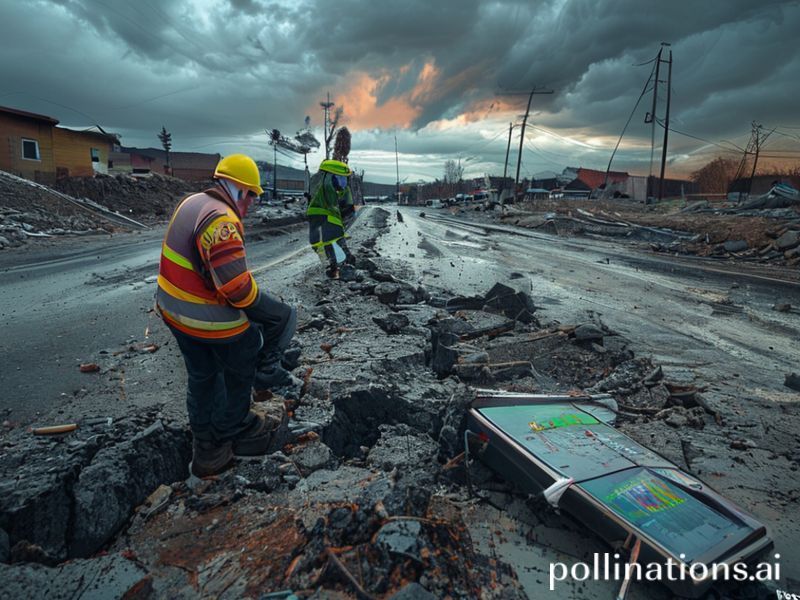
Shaken, Not Stirred: Why the USGS Earthquake Tracker Has the World on Edge
# **Shaken, Not Stirred: Why the USGS Earthquake Tracker Has the World on Edge**
If you’ve been online recently, you might have noticed a peculiar trend: people are suddenly obsessed with the USGS Earthquake Tracker. It’s not just seismologists and doomsday preppers—regular folks are glued to their screens, refreshing the page like it’s the stock market during a crypto crash. But why is this seismic hotline suddenly the hottest thing since sliced bread? Let’s dive in.
### **The Great Quake Watch of 2023**
First, let’s set the scene. The USGS (United States Geological Survey) Earthquake Tracker is a real-time map that shows seismic activity around the globe. It’s been around for years, but lately, it’s become the internet’s favorite anxiety-inducing pastime. Why now? Well, a few factors are at play.
1. **The Turkey-Syria Earthquakes**: In February 2023, a devastating 7.8-magnitude earthquake struck Turkey and Syria, killing tens of thousands and leaving millions displaced. The tragedy was a stark reminder of nature’s unpredictability and the importance of early warning systems. Suddenly, people wanted to know: *Could this happen near me?*
2. **Social Media Hype**: The internet loves a good panic. Memes, tweets, and TikToks about the USGS tracker have gone viral, turning seismic activity into a global watercooler topic. It’s like the stock market, but instead of Bitcoin, you’re watching the Earth’s mood swings.
3. **The Rise of Doomsday Preppers**: Let’s be real—people love a good apocalypse scenario. Whether it’s a zombie outbreak or a tectonic shift, the idea of “being prepared” has become a cultural obsession. The USGS tracker is the ultimate prepper tool, offering real-time data on potential disasters.
### **Cultural Context: Earthquakes in Pop Culture**
Earthquakes have long been a staple in pop culture, from the disaster flick “San Andreas” to the iconic “Twilight Zone” episode where a man is buried alive in a collapsed building. The idea of the ground literally shaking beneath our feet is both terrifying and fascinating.
In recent years, climate change and natural disasters have become hot topics, making people more aware of the planet’s volatility. The USGS tracker taps into this cultural zeitgeist, offering a glimpse into the Earth’s restless nature.
### **Social Impact: The Good, the Bad, and the Ugly**
The USGS Earthquake Tracker has both positive and negative social impacts.
**The Good**: It’s a valuable tool for scientists, emergency responders, and anyone living in earthquake-prone areas. Real-time data can save lives by providing early warnings and helping people prepare for the worst.
**The Bad**: It’s also a breeding ground for misinformation and panic. Social media has a way of turning a minor tremor into a global catastrophe. Remember the “bird flu” panic of 2020? Yeah, it’s like that—but with more shaking.
**The Ugly**: The tracker has become a source of dark humor and memes, with people joking about “the big one” or sharing screenshots of minor quakes with captions like “Just a little shake, nothing to see here.” It’s a way of coping with the fear of the unknown.
### **Why This Topic Matters**
The USGS Earthquake Tracker is more than just a trend—it’s a reflection of our collective anxiety about the world around us. It’s a reminder that, despite our technological advancements, we’re still at the mercy of nature’s whims.
But it’s also a testament to the power of information. In an age where data is king, tools like the USGS tracker empower us to stay informed and prepared. Whether you’re a seismologist or a meme-loving internet user, the tracker offers a unique perspective on the planet we call home.
So, the next time you find yourself refreshing the USGS Earthquake Tracker, remember: it’s not just about the shakes—it’s about staying connected to the world, one tremor at a time.