The Moment: When the World Holds Its Breath and the Internet Loses Its Mind
**The Moment: When the World Holds Its Breath and the Internet Loses Its Mind**
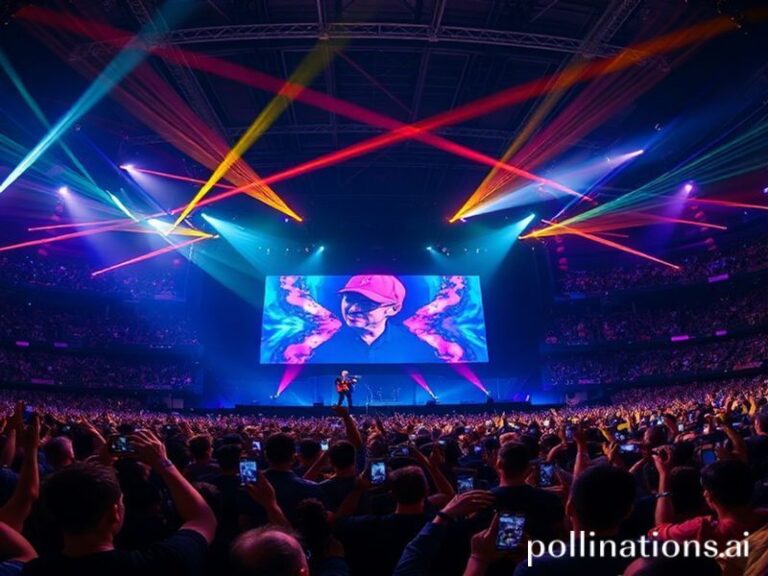
In the vast, chaotic landscape of the internet, there’s a phenomenon that has taken the global stage by storm: “the moment.” No, we’re not talking about a cheesy ’90s boy band or a dramatic pause in a reality TV show. We’re talking about those split seconds that make us collectively gasp, cheer, or facepalm so hard we sprain our digital wrists. From sports to politics, from memes to viral videos, “the moment” is the new currency of the internet, and it’s trending harder than a #ThrowbackThursday hashtag.
**Cultural Context: The Power of the Pivot**
“The moment” is that split second that changes everything. It’s the game-winning touchdown, the mic drop at a debate, the unexpected plot twist in a Netflix series that makes you scream at your screen (and your cat). In the age of social media, these moments are amplified, dissected, and memed into oblivion. They’re the digital equivalent of a cultural pivot, a point where the narrative shifts, and the internet collectively loses its mind.
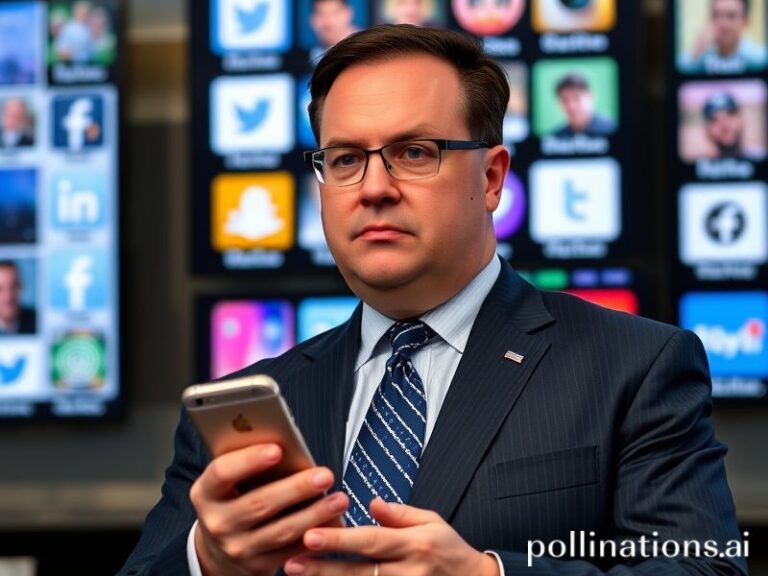
Take, for example, the 2020 U.S. Presidential Debate. When then-President Donald Trump and former Vice President Joe Biden faced off, the internet was ready. But it was one moment—a single, awkward pause—that stole the show. As Biden responded to a question, he turned to Trump and said, “Will you just shut up, man?” The internet exploded. Memes were born, tweets were tweeted, and “the moment” became the talk of the town. It was a cultural pivot, a shift in the narrative that defined the debate more than any policy discussion.
**Social Impact: The Viral Vortex**
“The moment” isn’t just about entertainment; it has real social impact. It can spark movements, change perceptions, and even influence elections. Remember Colin Kaepernick’s kneel? That was a moment. A single act of protest that ignited a global conversation about racial injustice and police brutality. It was a moment that transcended sports, becoming a symbol of resistance and solidarity.
But “the moment” can also be a double-edged sword. While it can elevate voices and bring attention to important issues, it can also be a breeding ground for misinformation and sensationalism. In the quest for the perfect viral moment, context is often lost, and narratives can be twisted. It’s a reminder that while “the moment” can be powerful, it’s essential to approach it with a critical eye and a healthy dose of skepticism.
**Why It’s Significant: The Democratization of Drama**
“The moment” is significant because it represents the democratization of drama. No longer is it the sole domain of Hollywood or the mainstream media. Anyone, anywhere, can capture “the moment” and share it with the world. It’s the power of the people, the voice of the crowd, and the pulse of the planet.
It’s also a reflection of our collective psyche. In a world that’s increasingly fragmented and polarized, “the moment” is a unifying force. It’s a shared experience that transcends borders, languages, and cultures. It’s the internet’s way of saying, “Hey, look at this! We’re all in this together.”
**Conclusion: The Moment, The Movement, The Memes**
“The moment” is more than just a trending topic; it’s a cultural phenomenon. It’s the power of the pivot, the viral vortex, and the democratization of drama. It’s the gasp, the cheer, the facepalm. It’s the internet at its best and its worst. And as long as there are screens to capture it and thumbs to share it, “the moment” will continue to shape our world, one split second at a time.
So, the next time you see “the moment” trending, take a moment (pun intended) to appreciate its power. Because in that split second, you’re not just witnessing a viral video; you’re witnessing the pulse of the planet.