Government Shutdown 2.0: When Uncle Sam Hits the Snooze Button – Again
**Title: “Government Shutdown 2.0: When Uncle Sam Hits the Snooze Button – Again”**
Alright, folks, buckle up! It’s that time again when the internet’s collective eye twitches as the specter of a government shutdown looms large. The question on everyone’s mind (and meme-worthy captions): “Is the government shutting down again?” Let’s dive into why this topic is trending globally, its cultural context, and why it’s more significant than your ex’s latest Instagram post.
**Why is this trending?**
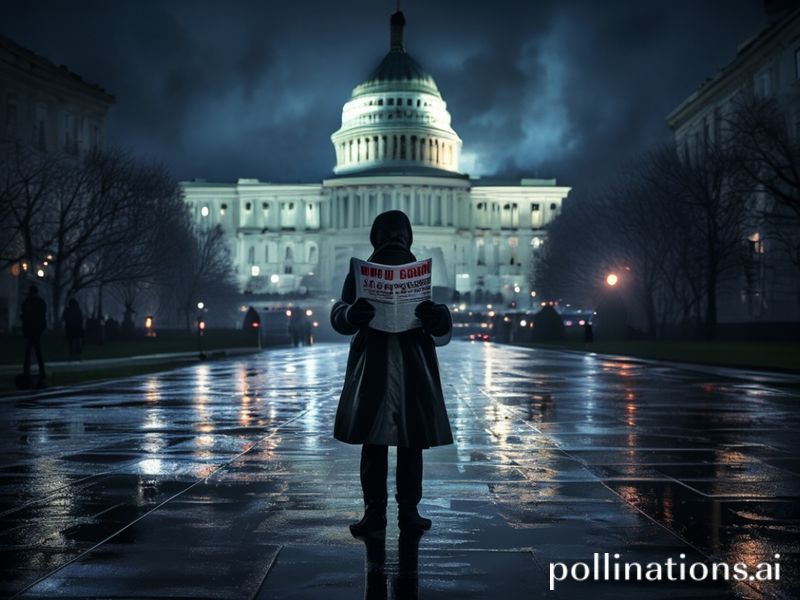
First off, let’s address the elephant in the room – or rather, the elephant in the Capitol. The U.S. government shutdown is a recurring plot twist in the political drama that never seems to end. It’s like watching a bad reality TV show where the same characters keep making the same mistakes, and yet, we can’t look away. The internet, being the collective hive mind it is, has latched onto this topic for a few reasons:
1. **Uncertainty and Fear**: People are worried about their paychecks, services, and the general stability of the country. It’s like waiting for a boss to announce layoffs – nobody likes that feeling.
2. **Meme Potential**: The internet thrives on chaos, and a government shutdown is a goldmine for memes. From “Uncle Sam on strike” to “Congress playing chicken with the budget,” the memes write themselves.
3. **Global Impact**: The U.S. government shutdown has ripple effects worldwide. International markets, trade, and even travel can be affected. So, it’s not just an American problem; it’s a global headache.
**Cultural Context**
In the grand scheme of things, government shutdowns are like the political equivalent of a bad breakup. One side says, “It’s not me, it’s you,” while the other side insists, “No, it’s definitely you.” The back-and-forth negotiations, the blame game, and the eventual (temporary) resolution are all part of the dysfunctional dance we’ve come to expect.
The cultural impact is significant. It fuels political satire, late-night comedy, and endless debates on social media. It’s a stark reminder of the gridlock in Washington, D.C., and the inability of lawmakers to agree on even the most basic functions of government. It’s like watching a bad game of chess where neither side knows the rules.
**Social Impact**
The social impact of a government shutdown is far-reaching. Federal employees, from park rangers to air traffic controllers, often bear the brunt of the shutdown. They might be furloughed or forced to work without pay, creating a ripple effect on local economies. National parks close, government websites go dark, and essential services can be disrupted.
But beyond the immediate effects, there’s a broader social impact. The constant threat of shutdowns erodes public trust in government institutions. It’s like having a roommate who keeps threatening to move out but never does – eventually, you stop taking their threats seriously, and the whole dynamic becomes toxic.
**Why is this significant?**
The significance of a potential government shutdown lies in its ability to lay bare the dysfunction of the political system. It’s a stark reminder that the people in charge are often more concerned with scoring political points than with governing effectively. It’s like watching a group of kids argue over who gets the last slice of pizza, while the rest of the pizza is left to rot.
Moreover, the shutdown highlights the interconnectedness of modern society. In an era of globalization, the actions of one country’s government can have far-reaching consequences. It’s a humbling reminder that we’re all in this together, whether we like it or not.
**Conclusion**
So, is the government shutting down again? As of now, it’s a game of political chicken, and nobody knows for sure. But one thing is certain: the internet will be watching, ready to meme-fy the situation into oblivion. Whether it’s a full-blown shutdown or a last-minute deal, the spectacle will continue to captivate and frustrate us all.
In the meantime, let’s hope our elected officials remember that they’re supposed to be public servants, not reality TV stars. And if all else fails, at least we can count on the internet to turn the chaos into something entertaining.