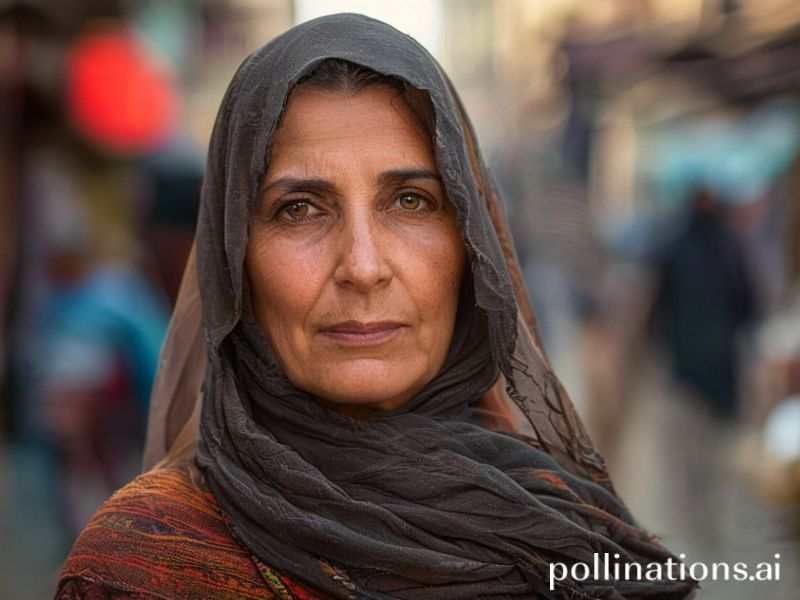
Huda Sha’rawi: The Feminist Icon Whose Veil Removal Still Sparks Global Debates in 2024
# **Huda Sha’rawi: The Icon Who Took Off Her Veil and Set the World on Fire**
In the vast landscape of internet trends, some names resurface with a force that transcends time and borders. One such name is **Huda Sha’rawi**, a trailblazing Egyptian feminist who’s been making waves globally—again. But why is this early 20th-century icon suddenly trending in 2024? Let’s dive into the cultural context, social impact, and why Huda Sha’rawi’s legacy is more relevant than ever.
### **Who Was Huda Sha’rawi?**
For those who might be scratching their heads, Huda Sha’rawi (1879–1947) was an Egyptian feminist pioneer, nationalist, and social reformer. She’s best known for her bold public removal of her veil (hijab) at Cairo’s central train station in 1923—a symbolic act of defiance that sent shockwaves through conservative Egyptian society. Imagine if someone today removed their hijab in the middle of Times Square and declared, “I’m done with this!” That’s the kind of vibe we’re talking about.
Sha’rawi wasn’t just about the dramatic unveiling, though. She co-founded the Egyptian Feminist Union, fought for women’s suffrage, and advocated for education and labor rights. She was basically the Beyoncé of early 20th-century feminism—bold, unapologetic, and impossible to ignore.
### **Why Is She Trending Now?**
So, why is the internet suddenly obsessed with a woman who passed away nearly eight decades ago? A few key reasons:
1. **The Power of Social Media & Feminist Movements**
The #MeToo and #TimesUp movements have reignited global conversations about gender equality, and figures like Sha’rawi are being rediscovered as symbols of resistance. Her story resonates with modern feminists who see her as a trailblazer in a world where women’s rights are still a battleground.
2. **Cultural Reckoning in the Middle East**
The Middle East is experiencing a cultural shift, with younger generations questioning traditional norms. Sha’rawi’s defiance of patriarchal structures makes her a relatable figure for those pushing back against conservative ideologies today.
3. **The Rise of Digital Activism**
Memes, TikTok videos, and Twitter threads have brought Sha’rawi’s story to a new audience. Her iconic unveiling has been turned into memes, GIFs, and even fan art, making her a viral sensation all over again.
4. **The Fight for Women’s Rights in Egypt**
Egypt has seen a resurgence in feminist activism, with women demanding greater rights and representation. Sha’rawi’s legacy is being reclaimed as a source of inspiration for modern activists.
### **Cultural Context: Why Her Story Matters**
Sha’rawi’s act of removing her veil wasn’t just about fashion—it was a radical political statement. In early 20th-century Egypt, the veil was a symbol of women’s subjugation, and removing it was an act of rebellion. By doing so in public, Sha’rawi challenged societal norms and sparked a national debate about women’s autonomy.
Her work extended beyond symbolism. She fought for women’s education, labor rights, and political participation, laying the groundwork for modern feminist movements in the region. Her legacy is a reminder that progress often comes from those who dare to challenge the status quo.
### **Social Impact: A Legacy That Endures**
Sha’rawi’s influence is still felt today. Her advocacy for women’s education and political rights paved the way for future generations of Egyptian feminists. Her story also highlights the ongoing struggle for gender equality in the Middle East, where women continue to fight for their rights in the face of conservative resistance.
In a world where women’s rights are still hotly debated, Sha’rawi’s legacy serves as a powerful reminder of the progress that has been made—and the work that still needs to be done.
### **Conclusion: Why Huda Sha’rawi’s Story Resonates Today**
Huda Sha’rawi’s trending status isn’t just a nostalgic throwback—it’s a testament to the enduring power of her message. In an era where women’s rights are still a contentious issue, her story serves as a beacon of hope and resistance. Whether you’re a feminist, a history buff, or just someone who loves a good underdog story, Sha’rawi’s legacy is one worth celebrating.
So, the next time you see a meme or a TikTok about her, remember: this woman didn’t just take off her veil—she took off the chains of oppression and set a fire that’s still burning today.